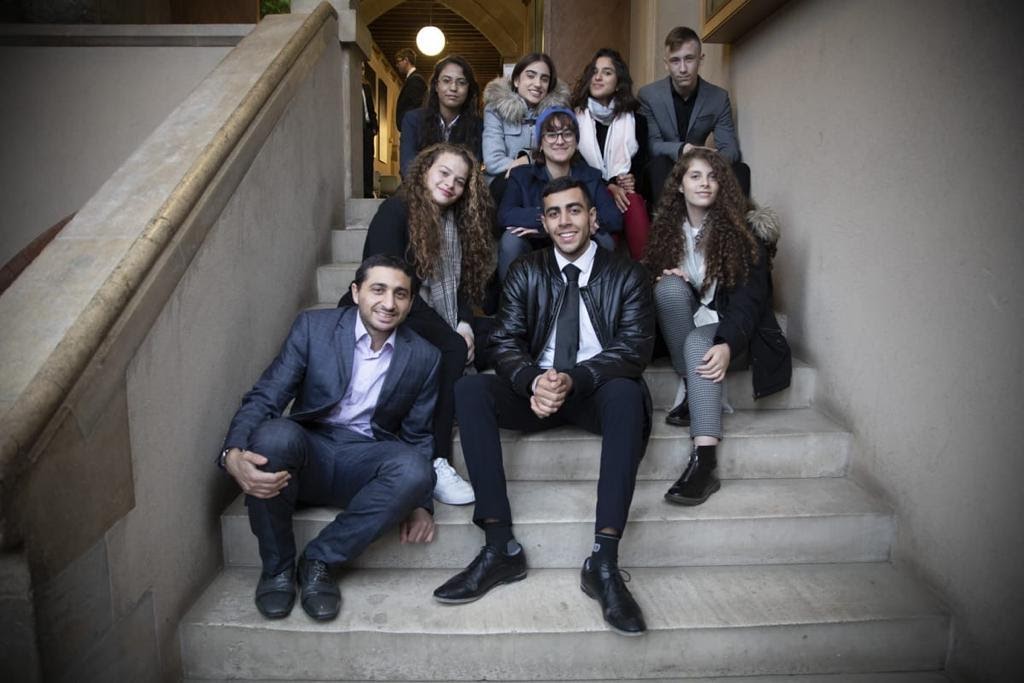
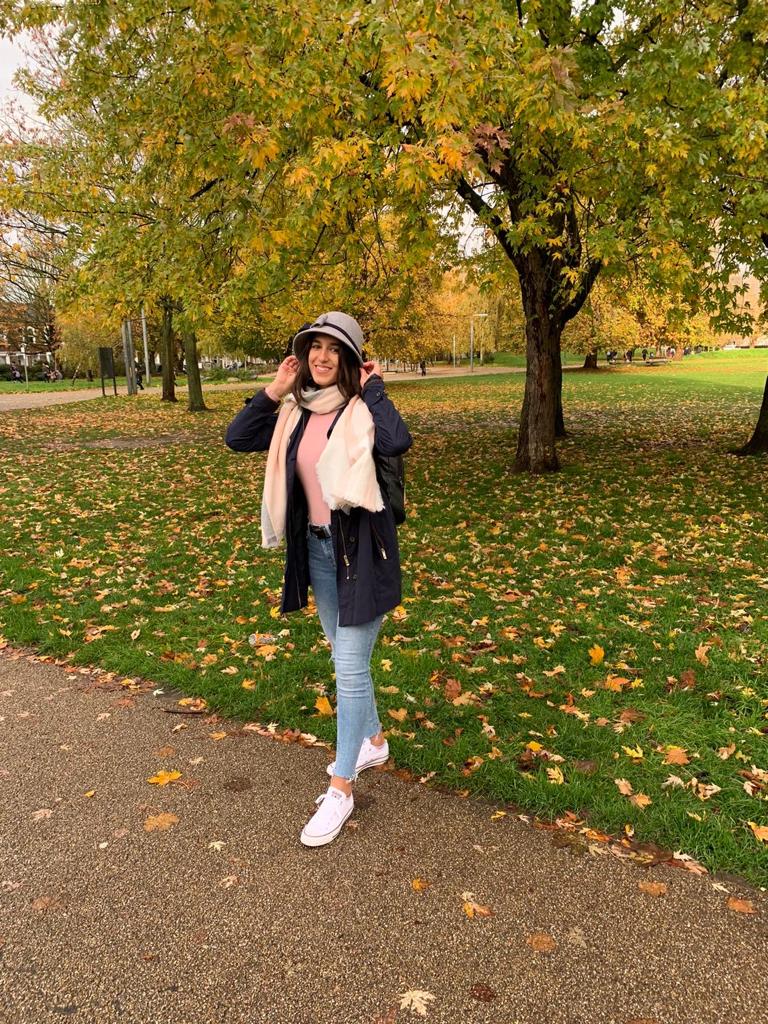
I Am From – Quds, 17, Arab

I am from

I am from ash

I am from my blood, my skin

I am from ash, clay, and just a little soul 

a little soul who makes mistakes

a little soul who gets lost, a little soul who does not know.

I am from mess and chaos.

I am from, loving swimming, but remembering drowning.

I am from loving winter 

I am loving nature, from looking outside my window and admiring the beauty 

I am from the euphoria of swinging a little way too high in the swing and feeling the whole world stop

I am from hearing the sound of prayer next to my house.

I am from my first cats, “Sukar” and “Loz”.

I am from loving animals, or maybe animals taught me how to love 

I am from olive oil.

I am from sitting under the olive tree for long hours

I am from sitting in front of my mirror for even longer.

 looking, searching, checking in a broken mirror too broken to see who I am

I am from the politics of saying where I am from, who I am, what I am, and what I want to be, nowhere in the world does being who I am cause dialogue, except where I am from 

I am from the confusion when anyone asks me what I like, they want to know who I am “Just say what you like”.

I am from a world of individual people, within groups, who maybe rely on these groups to get to know themselves, who do not know themselves, I mean you’re only as deep as you have met yourself

I am from all of my mistakes in the past and all of my decisions 

maybe even I don’t know what I like and want in life 

but I know I am from home

I am from Jerusalem, my father’s village up north, and my mom’s city

I am from reading, writing, and listening.

but when everything stops and no labels are around, I am Quds, I am me: that’s the only thing I will never lose, and that’s what stays with me always.
I Am From –Michelle Shoshan, 18

Shortly after the October 7th atrocities, and the onset of war, we launched the Writing Matters course, overseen by Professor Bob Vogel. Students and teachers from all over Israel–the south, north, center and Jerusalem, complete weekly writing assignments and then meet on Zoom weekly to share their writing and engage with one another. The pieces are powerful reflective works that capture raw emotions and deep fears and hopes, simultaneously uniquely personal, while resonating with our collective emotions. We will be sharing a poem, personal narrative, or short story by a different writer for each night of Hanukkah.

I Am From – Michelle Shoshan, 18

I am from IRAN

I am from one of the oldest countries in the world, the country which invented human rights.

The country with a great history known for its beauty, culture, food, amazing people and many other great things.

However Iran didn’t stay like that forever

Where I am from is the country that steps on every human rights policy and destroys anyone who speaks against its government. 

Iran isn’t ruled by the greatest kings anymore, only by a bloodthirsty regime, who kills its own people, or sells weapons to other countries to kill other innocent people.

Where I am from people aren’t happy, they are suffering from inflation. They are suffering from seeing that every day someone gets executed for speaking against the regime.

I miss where I am from. I miss my family, who I can’t visit . Because I know if I go back, I can get arrested.

I miss where I am from because every weekend, every event or every holiday I used to gather with my big family, aunts, uncle, grandma, cousins and family and friends; there were stories, there was music and the feeling that you belong .

Where I am now isn’t where I come from but Israel is a promised land, the land where you feel like you belong.

Israel isn’t my real country but it its treating me better than my own country .

Where I am from you don’t miss anyone because they’re already there. But where I am now I miss everyone.

IOMUN 15: Students from 5 Continents Tackle Sustainable Tourism; Refugee Integration, and a Global Crisis of Godly Proportions

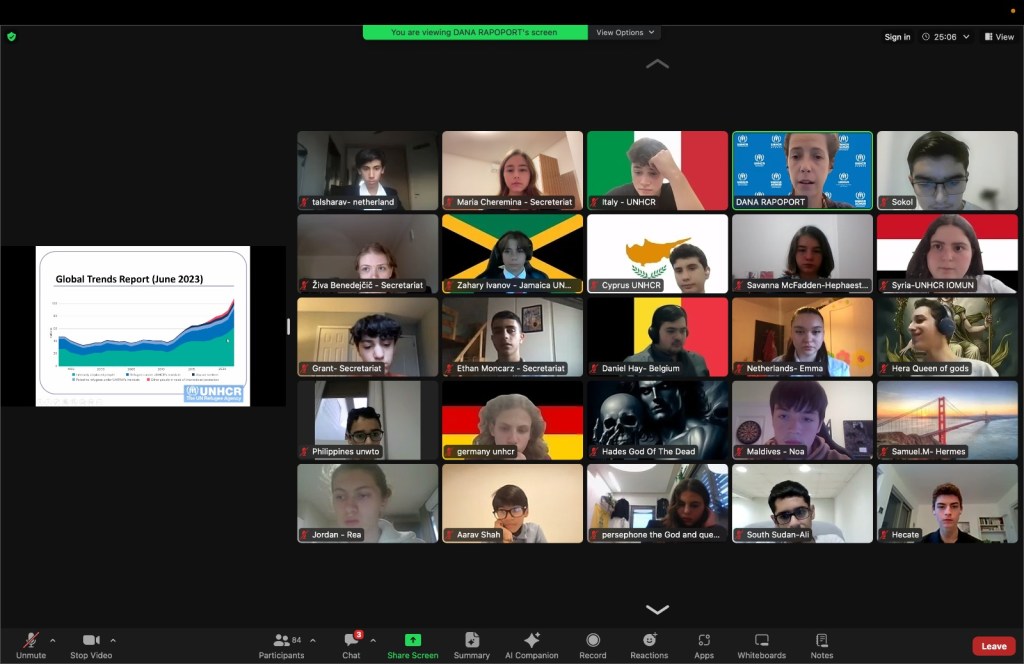
IOMUN 15, on Sunday December 3, lived up to its name: International Online MUN, with nearly 100 participants from two dozen schools on five continents. The conference was divided into four committees: two beginner committees simulating the UN World Tourism Organization (UNWTO) promoting sustainable tourism; an intermediate committee, the UN High Commission for Refugees (UNHCR), focused on integration of refugees, and a Council of Olympus crisis committee involving Greek Gods.

The conference opened with a keynote speech from Dana Rapoport, Senior Communications Assistant at UNHCR Israel. Dana gave an overview of the work that UNHCR does, highlighting the rising number of refugees and internally displaced persons globally, and what the role of UNHCR is in helping people displaced by conflicts and disasters.

From the opening ceremony the delegates moved into separate committees, where they engaged in a high level debate from the beginning of the conference, before drafting their respective resolutions to address the complex global challenges they were addressing. By the evening the committees were ready to vote on their resolutions. The UNWTO delegates tried to focus on amplifying the positive impacts of tourism while minimizing environmental harm. In the UNHCR efforts were focused on how to better support refugees. And in the Council of Olympus, suggestions included temporary shocks to the global economic system for the overall betterment of humanity.

At the closing ceremony the students were congratulated by Caroline Platt, a diplomat from the US Embassy in Israel, for their hard work and dedication to diplomacy and solving problems collaboratively. Caroline talked about the importance of building relationships between people and other people skills that come in handy during diplomacy.

In the UNWTO A committee, Daniel Hay (Ironi Yud Dalet) and Rani Yakobov (Atid Lod) won Outstanding Delegate, while Noga Vander (Atid Lod) was Best Delegate. In UNWTO B, Shmaya Saban (Shaked Darca) and Ali Omer (South Windsor High School) won Outstanding Delegate, while Sokol Luci (QSI Kosovo) won Best Delegate.

In UNHCR, Yogev Pinkas and Roy Berenstein (Atid Lod) were Outstanding Delegates, and Itamar Assenheim (Atid Lod) was Best Delegate. In the Council of Olympus crisis committee, Naomi Gildor (Studio Ankori) and Anna Rodriguez Stewart (FDR school) were Outstanding Delegates, and Melo Choshane (WBAIS) was the Best Delegate.

IOMUN 15’s Secretariat was led by Yaniv Becker (Chen Young Ambassadors school), Maria Cheremina and Ethan Moncarz (Walworth Barbour American International School), Nana Awadeie (Greek Catholic high school), Angjelina Glasnović and Źiva Benedejčič (Pristina High School), and Grant Bagga and Anoushka Das (Westfield Academy).

The chairs included Yuval Saar and Tslil Israeli (Atid Lod high school for Sciences), Julia Prieto (Seattle Academy of Arts and Sciences), Joseph Lange (QSI International School of Kosovo) and Trixie Bonita from Golden Faith Academy, with the crisis team composed of Juan José Yepes Ortiz (Gimnasio Moderno); Renée Marielle González Díaz (American Institute of Monterrey), Christine Kayla Bonita (Golden Faith Academy) and Audrey Pettibon (Seattle Academy).

IOMUN 16 will take place on Sunday January 14. Registration and topics will be available on the IOMUN Instagram account.

IOMUN 14: Students from a Dozen Schools on 3 Continents Debate Ethics of AIs

On Sunday November 12, over 50 students from over a dozen schools around Israel as well as Europe, Asia and South America, participated in IOMUN (International Online MUN) 14. The students gave speeches, debated and negotiated resolutions on the topic of “Ethical challenges of ChatGPT and AIs, dealing with issues like education, medicine and diplomacy.

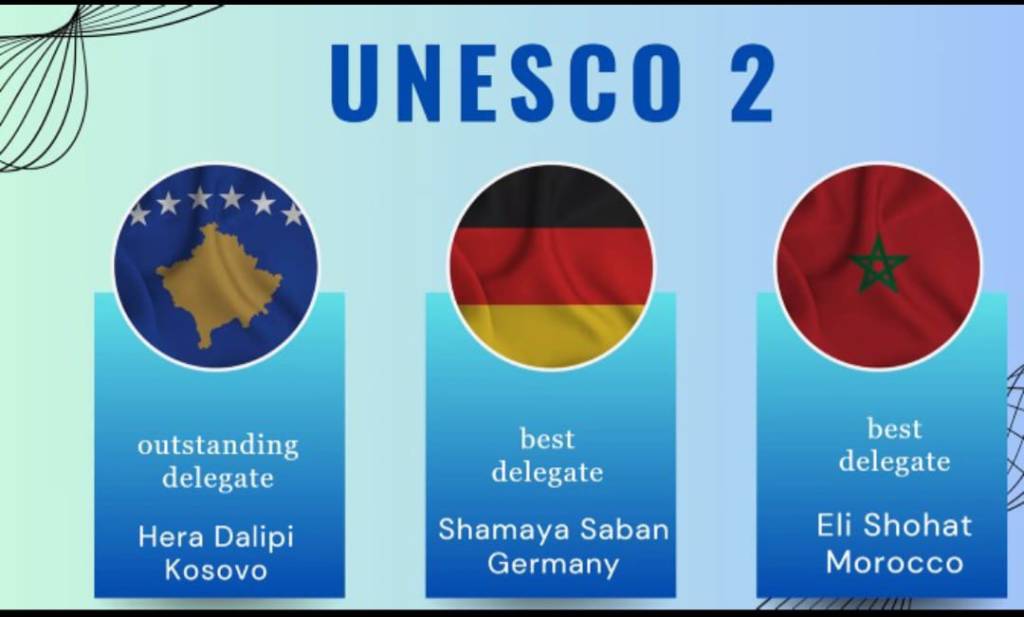
At the closing ceremony, the students heard from US diplomat Caroline Platt, who praised the students for their engaging debates, and for the initiative to come together during a challenging period. Then the award winners were recognized. In the beginners committee, Hera Dalipi (Pristina high school) won Outstanding Delegate, while Shamaya Saban (Shaked Darca) and Eli Shohat (Chen Young Ambassadors School) won Best Delegate. In the advanced committee, Andrey Rudnevskiy (Atid Raziel) and Roy Berenstein (Atid Lod) were outstanding delegates, and Itamar Assenheim (Atid Lod) and Yehuda Lester (Shaked Darca) were best delegates.

IOMUN 14 was led by a dedicated secretariat of Yaniv Becker from the Chen Young Ambassadors school, Maria Cheremina and Ethan Moncarz from the Walworth Barbour American International School, and Nana Awadeie from the Greek Catholic high school. Yuval Saar and Tslil Israeli from Atid Lod high school for Sciences served as chairs.

IOMUN 15 will take place on Sunday December 3. Registration and topics will be available on the IOMUN Instagram account.

Sukkat Shalom 2023

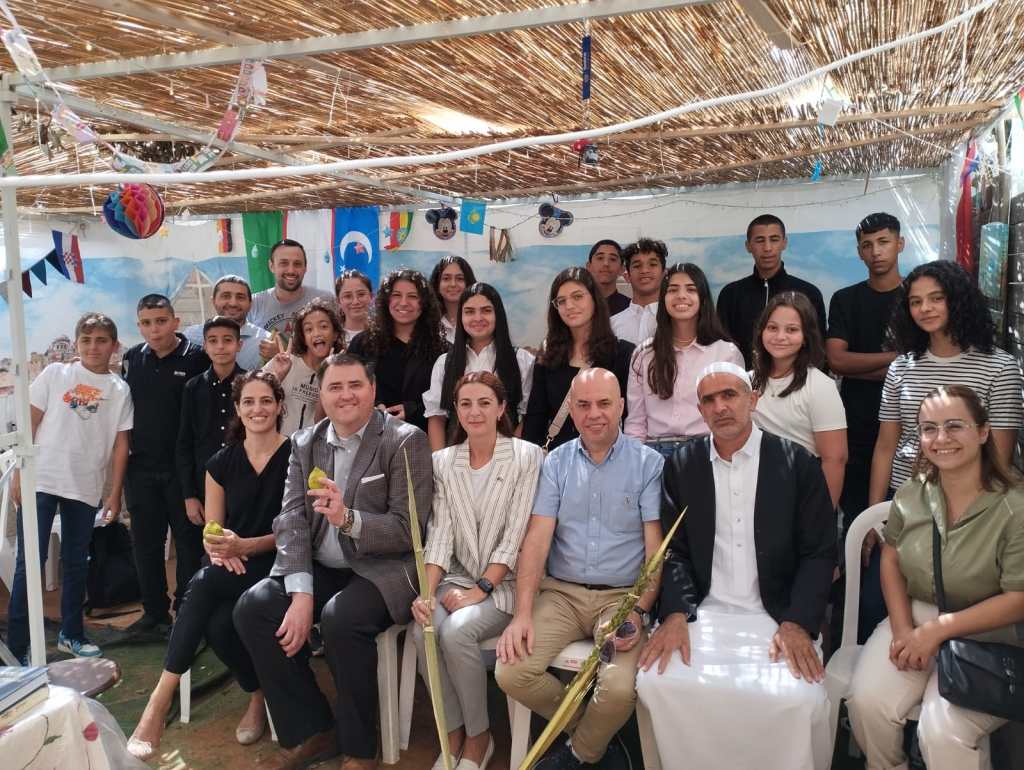
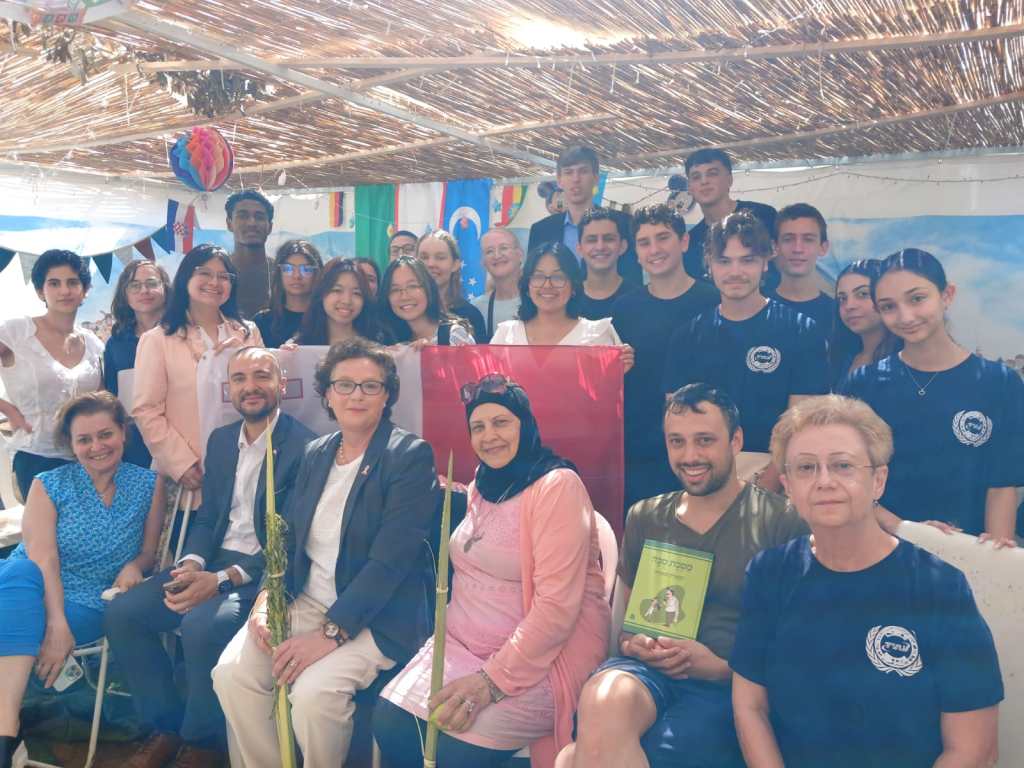
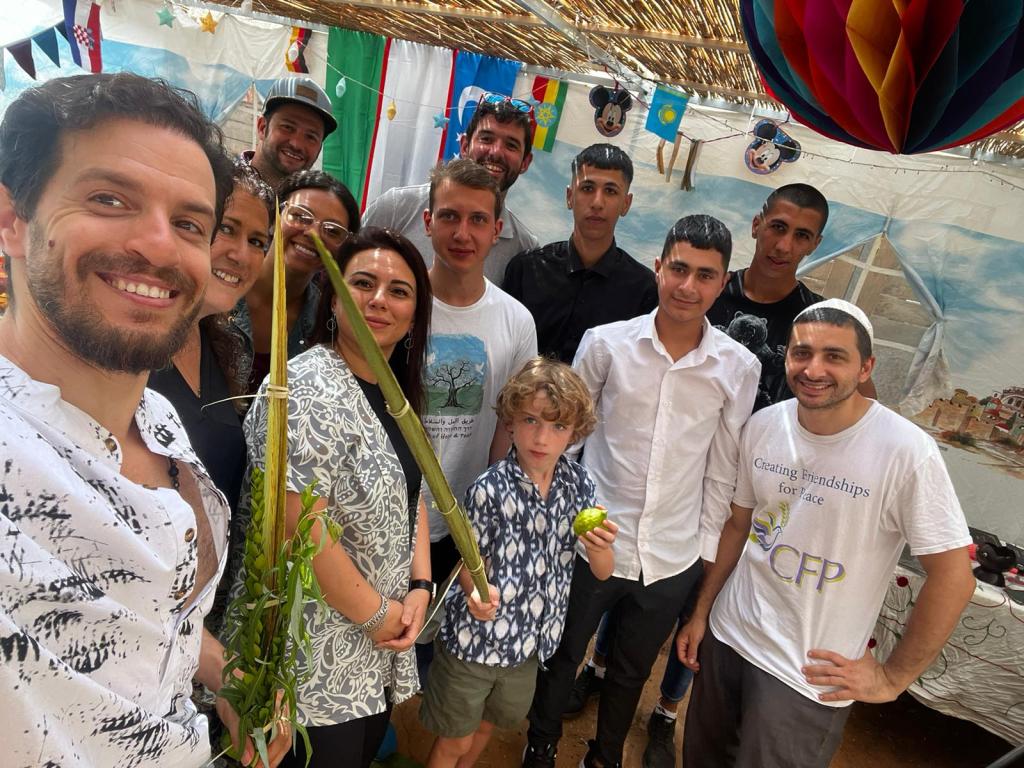
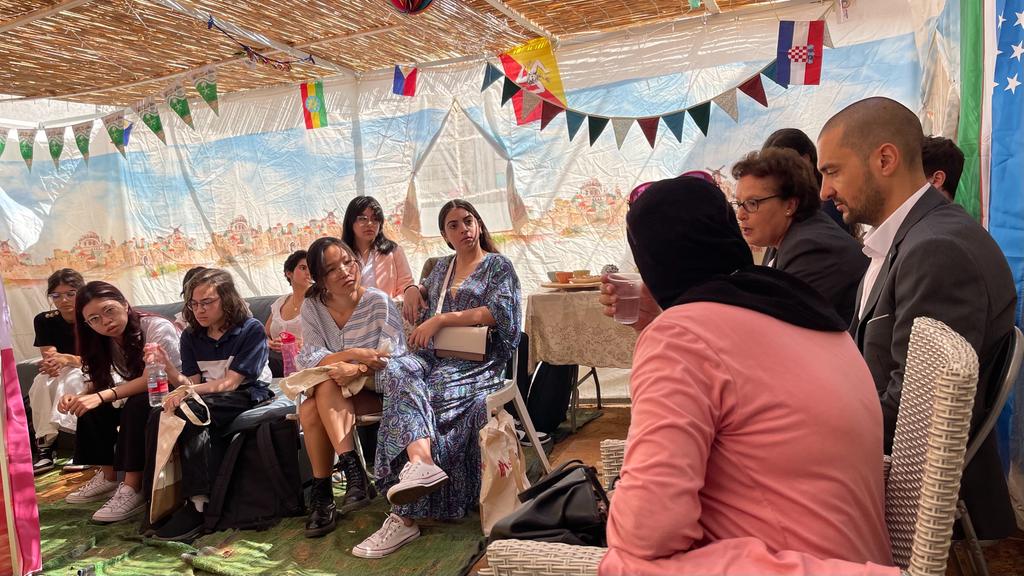
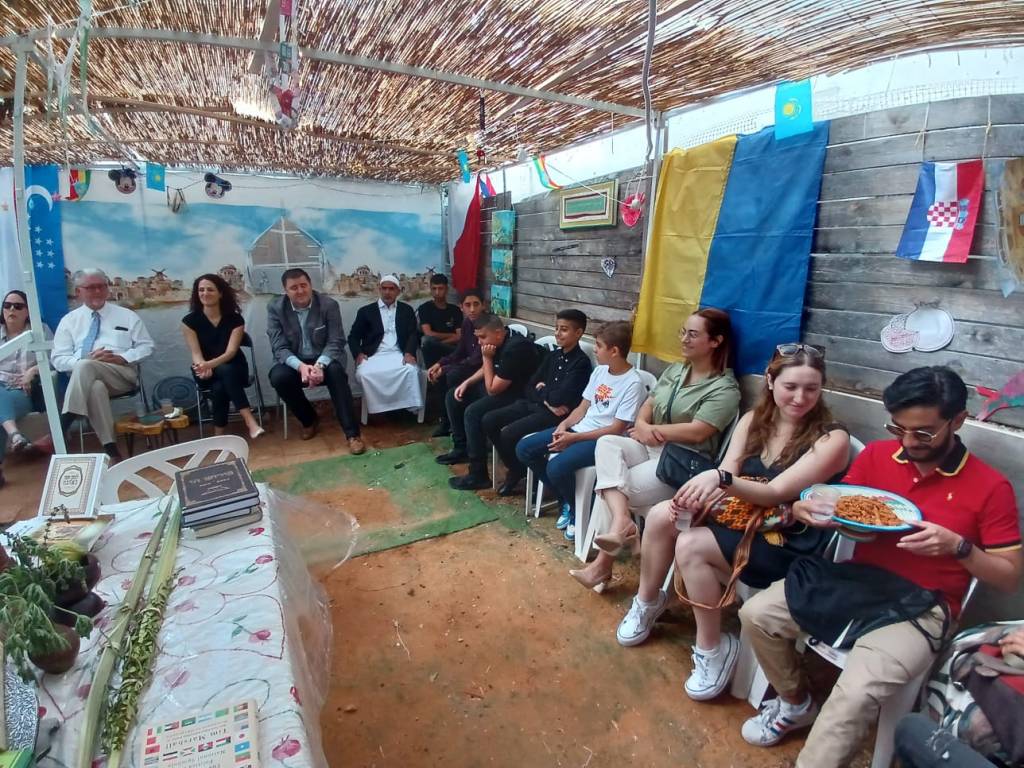
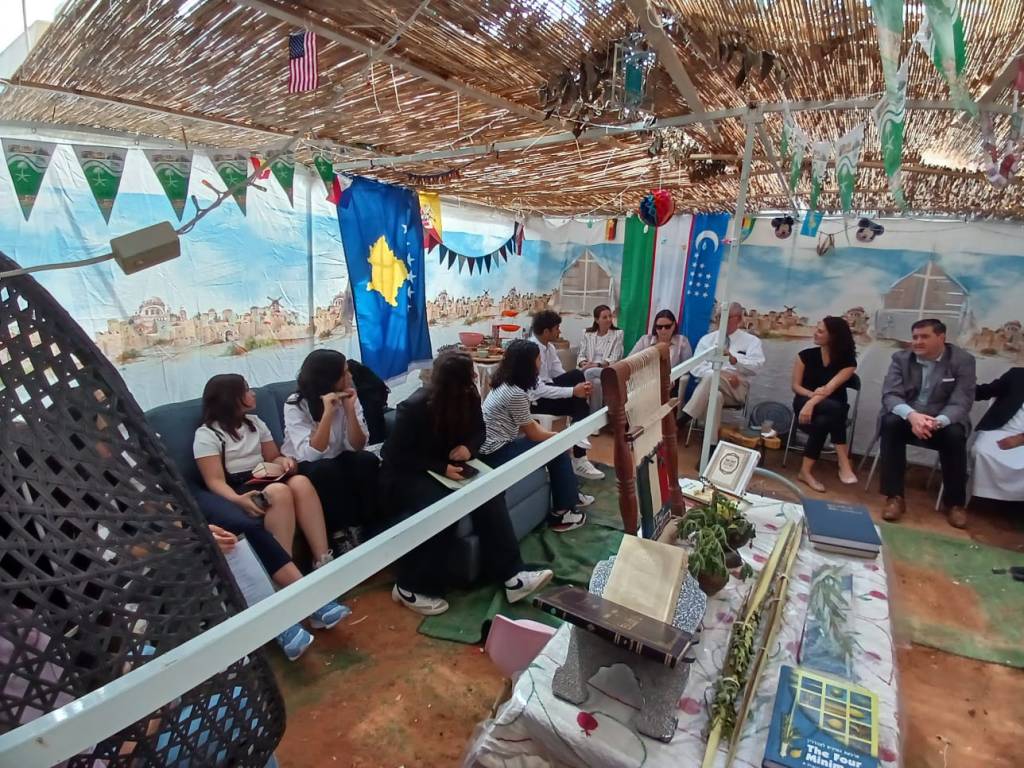
In what has become an annual tradition, Debate for Peace once again held meetings with students, diplomats and civil society leaders from various faiths and communities. This year the meetings were held on Sunday, Wednesday and Thursday, October 1, 4 and 5.

During the meetings, all of the participants introduced themselves, and received an explanation about the unique characteristics of the holiday, from the Sukkah to the “4 Species”, to the commandment to be happy over the holiday, as well as various customs and the agricultural components of the holiday. The students were also able to ask questions, both about the holiday and diplomacy.

Participants came from cities all over Israel and the West Bank, as well as from various other countries, representing over 15 countries and 5 continents. For about a half of the 70 participants, it was their first visit in a Sukkah, making for a very memorable intercultural experience.

Debate for Peace thanks all of the participants, including the Ambassador and First Secretary of the Embassy of Malta; Chargée d’Affaires of the Embassy of Kosovo; Deputy Chief of Mission of the Embassy of Cyprus; Director of the Romanian Cultural Institute; head of the Azerbaijan Tourism Representative Office; Vice Consul and Deputy Management Counselor at the US Embassy; Representative of the Taipei Economic and Cultural Office; the Jerusalem Representative of the Baha’i International Secretariat; and the head of the Waqf of Kufr Yasif, as well as delegations from Atid Lod, Givat Haviva International School, and QSchools.

Delegation to the United Nations in Vienna

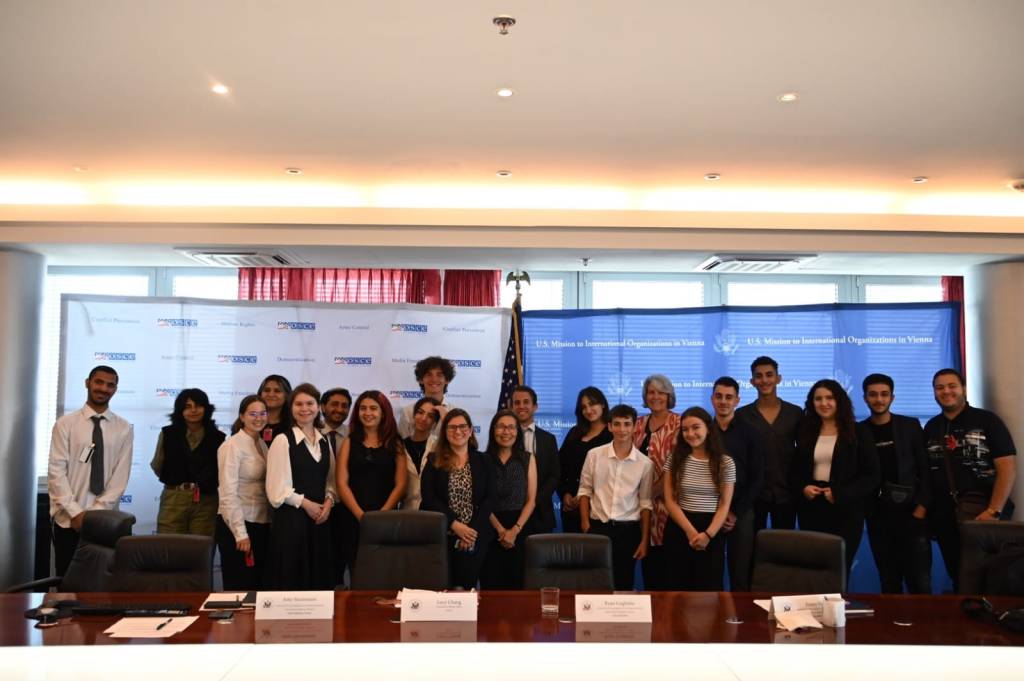
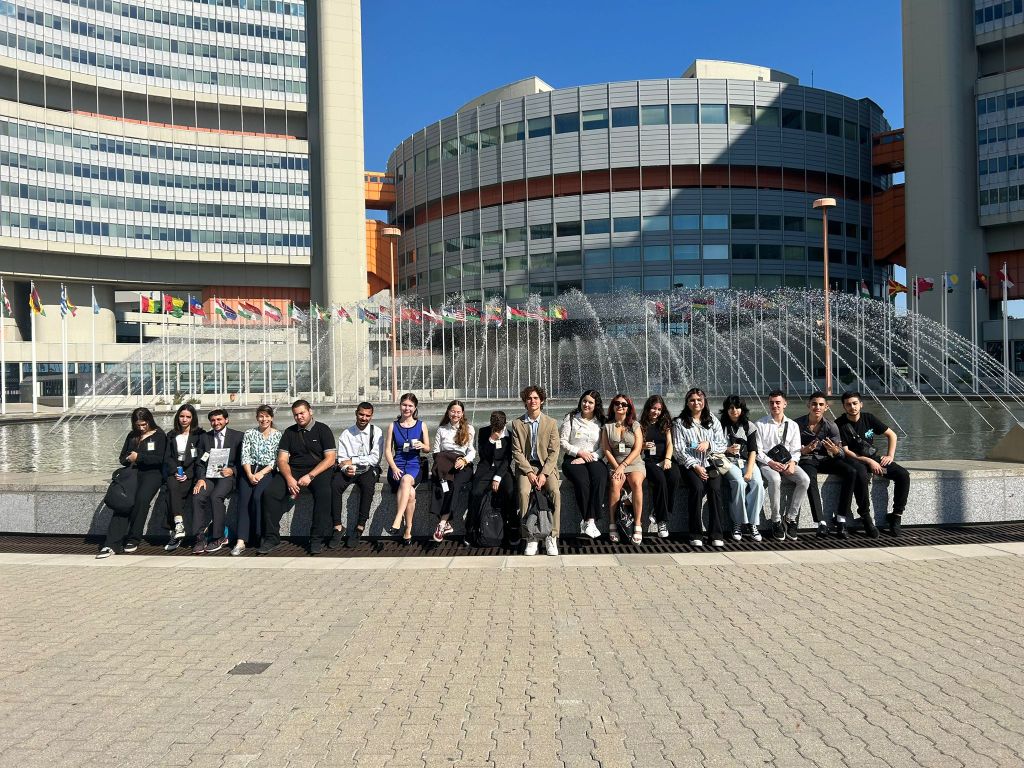
It’s never too early to start engaging in diplomacy. 15 Model UN students: ages 13-18, along with 2 alumni and 2 teachers, traveled to the UN headquarters in Vienna this month to learn more about diplomacy in practice. 

The delegation, comprised of Druze, Jewish and Palestinian students, first visited the Spanish Embassy in Vienna, where they met with the Charge d’Affaires and Deputy Permanent Representative, and learned about multilateral diplomacy with the OSCE as well as efforts at the UN to prevent nuclear weapons proliferation, and promote cooperation in outer space. Later, they toured the historic city hall, and saw the hall where Vienna’s parliament meets.

The next day the students visited the UN, where they met with a public information officer at UNHCR and learned about the challenges that refugees face, and the work of UNHCR to help them, within the framework of international treaties. Later in the day, at a meeting with the Independent International Commission of Inquiry on Ukraine, the focus was on public international law, and the intricacies of the Commission’s mandate and how its members work to carry it out despite an ongoing war.

At the Foreign Ministry of Austria, the delegation met the head of the Middle East unit and discussed the challenges facing Israel domestically, and in the Israeli-Palestinian context, as well as trends facing the MENA region as a whole. 

At the US Mission to the United Nations in Vienna, the group heard from a panel of American diplomats about the dynamic work in the spheres of combating drug trafficking and organized crime; keeping outer space clean and peaceful, and limiting nuclear weapons proliferation while encouraging nuclear energy as a clean energy alternative. 

Finally, the delegation met with Ambassador Natasha Meli Daudey, who also serves as the Permanent Representative of Malta to the OSCE and the UN in Vienna. The Ambassador highlighted the challenges of engaging in bilateral and multilateral diplomacy simultaneously, while also being part of a larger entity, the European Union, with its own foreign policy impact. 

All of the students returned home with a heightened understanding of the nuances of international law and a greater appreciation for multilateral diplomacy. Much thanks to all of the diplomats, embassies and missions who took the time to meet the delegation.

Interfaith Delegation from Israel Visits Albania, North Macedonia and Kosovo

A Debate for Peace delegation featuring students and educators from four religions and ten cities around Israel traveled to three countries in the Balkans in July, learning about the history and culture of the region. Prior to the trip, a meeting was held at the Embassy of Kosovo in Jerusalem, where they learned about the concept of BESA, through which Jews were saved courageously during the Holocaust by Muslim and Christian Albanian families.

The group traveled first to Albania, where they visited southern Albania, including the Blue Eye nature preserve; UNESCO world heritage sites of Gjirokaster castle and Butrint archeological park, and the 5th century synagogue remains in Saranda. 

Crossing into North Macedonia, the group stopped at Lake Ohrid, which straddles Albania and North Macedonia. Continuing on to Bitola (Monastir), the delegation visited the Jewish cemetery, stopping for a few minutes to clear weeds from some of the tombstones. In the city center of Bitola, the group was led by a local volunteer, Zoran, who told them about the Jewish history of the city, and showed them buildings that remained behind, like the Alliance Jewish school, after the devastating impact of the Holocaust. Later they stopped at the municipal museum, at the site where Kamal Ataturk once attended high school.

In Skopje the group went to the Jewish community center and synagogue, and heard about the local community. At the Holocaust Museum, one of the only dedicated Holocaust museums in the world, the students learned more about the Holocaust in Macedonia, where nearly the entire Jewish community had been deported and murdered. They also visited Mother Theresa’s home.

Arriving in Prizren, Kosovo, the group celebrated shabbat dinner with the local Jewish community, as well as local youth. After a short explanation about Judaism and shabbat, kiddush was recited and the Israeli and Kosovan youth got to interact. The next morning the students visited the Roman Catholic Church, Sinan Pasha mosque, Halveti Suffi center, as well as the site of Jewish community center being constructed.

Concluding the trip in Pristina, the capital of Kosovo, the delegation visited UNMIK, the UN peacekeeping mission in Kosovo, for a fascinating discussion on the diverse challenges faced in peacebuilding with a range of experts from the political affairs, media and communications, and human rights offices. 

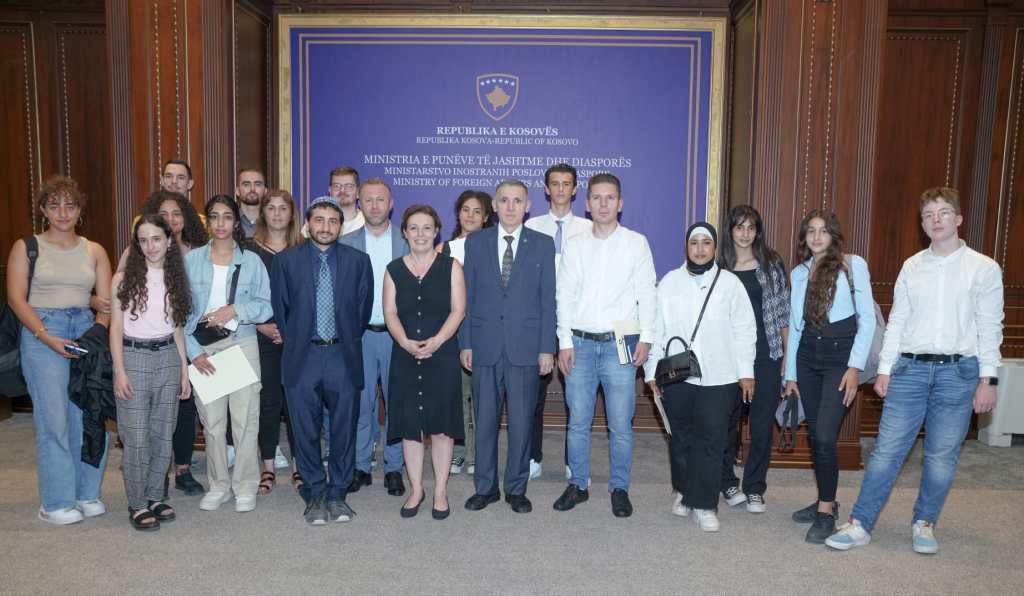
A planning session together with local youth under the auspices of the Ministry of Culture, Youth and Sport laid the groundwork for the third Kosovo International Model UN, scheduled for December 2023. Finally the delegation held two important meetings with Kosovo ministries. The first meeting was with the Minister of Regional Economic Development, who is from the Turkish community in Kosovo, and who talked about his unique office and their work to advance economic development throughout the country. The final meeting was held with the Minister of Foreign Affairs and the Diaspora, who entertained questions from all of the students, and explained the direction of her office to the aspiring diplomats.

Debate for Peace extends its deep appreciation to the embassy of Kosovo in Jerusalem; key partner ICHAT in Pristina; the Jewish community in Prizren; UNMIK, the ministries of Culture, Youth and Sport; Regional Economic Development, and Foreign Affairs and the Diaspora, Dr. Shelly Drummer in Israel; Gentian in Albania; Zoran in Bitola; Ana and Maja from the Jewish community in Skopje; the Demiri family in Prizren, and Dr. Ilir in Pristina, for their assistance and hospitality throughout the delegation.

The Promised Neverland

bashar 2

The Promised Neverland by Bashar

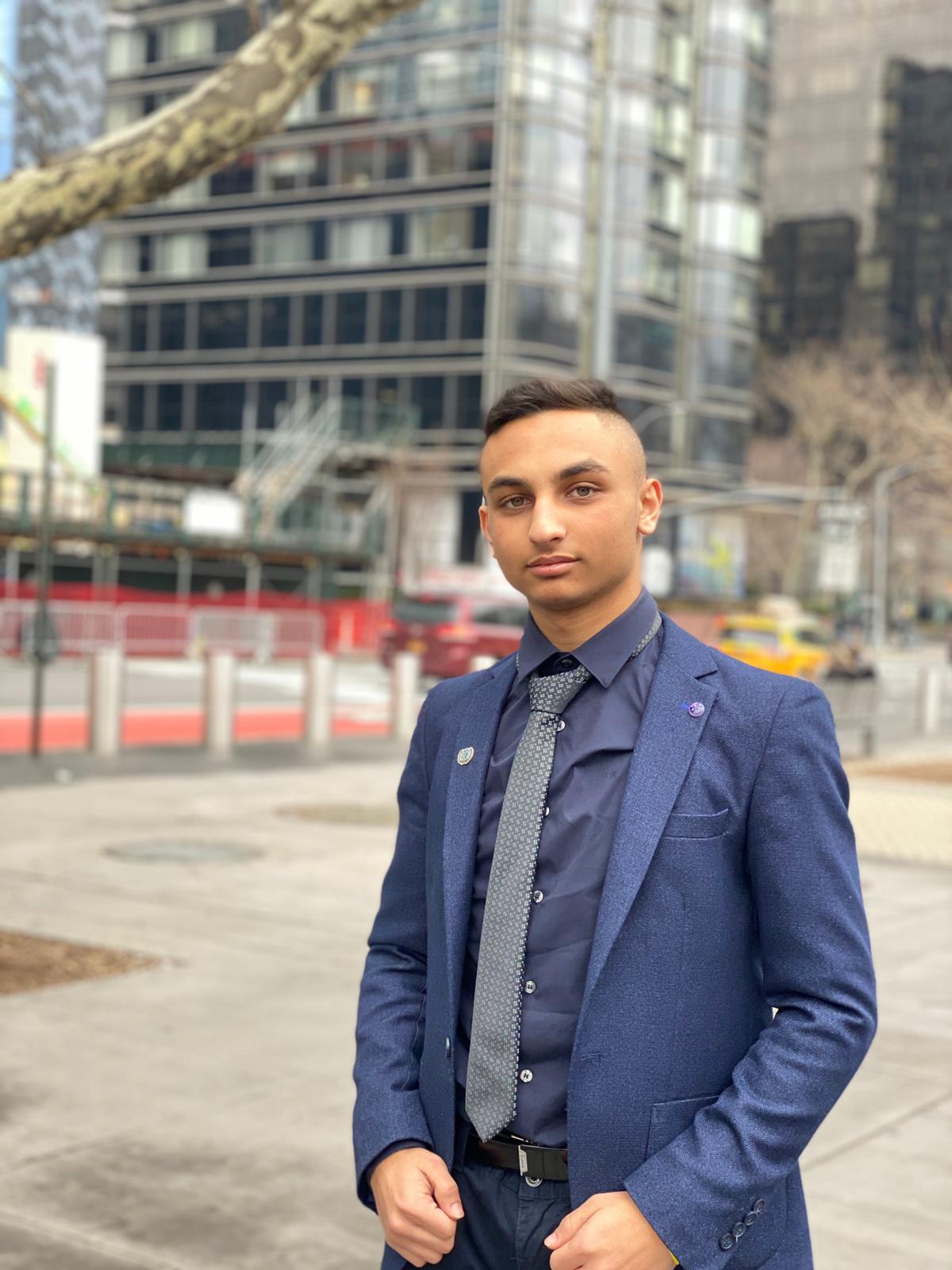
The Promised Neverland is a Japanese TV series which talks about the dream land everyone wants to visit. In the small village I live in, the US is just like that Promised Neverland. So I was shocked when my teacher told me that I was going participate in the John Hopkins University Model United Nations, in Baltimore, USA.

Although it was my first time to go abroad without my family, I wasn’t scared or stressed at all. Each new opportunity I try just gets me more excited. Our group consisted of four Arab students and four Jewish students, through the program DfP (Debate for Peace), a program for educating the younger generation that there can be peace between Jews and Arabs.

To be honest at first I didn’t believe in the idea that Jews and Arabs could get along with each other but this trip changed my whole view about Jews. I discovered that they are very kind and nice people, and I’m still in touch with them so far!

The first station during the trip was New York City where we spent three days in a motel and visited many places such as the Statue of Liberty and met some important political people. It wasn’t easy to catch up with Steven’s fast walk but it was pretty funny😂.

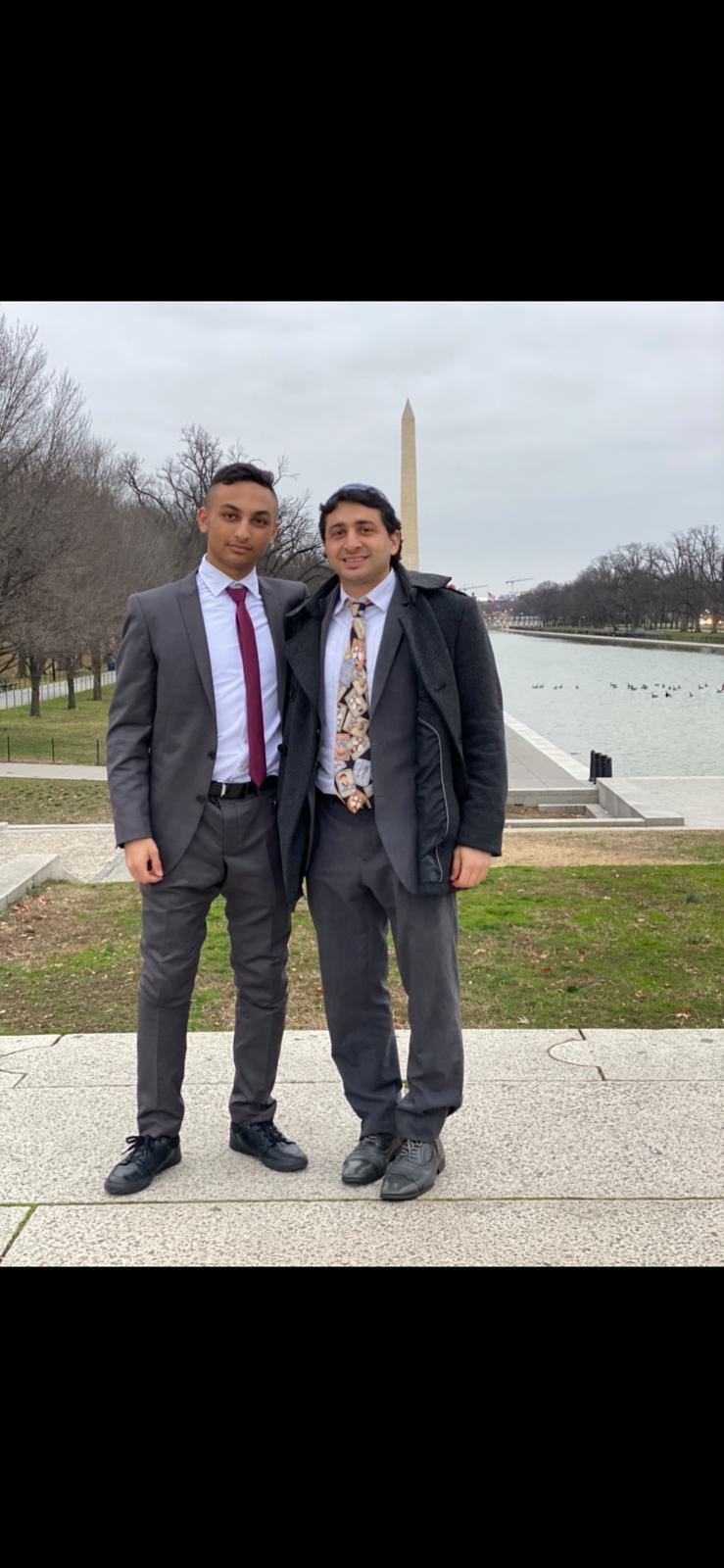
The second station was Washington DC. I hoped to meet President Trump but unfortunately it wasn’t in our plan. At least we walked beside the White House and it wasn’t as I expected, it was bigger and more beautiful than we see in the movies. We met important people and visited places that I never thought I would ever enter in my life. But at least I could now cope with Steven’s fast walking😂

The last three days were the conference that was held in Baltimore hosted by John Hopkins University. The committee I was in talked about Brexit and post-Brexit (Britain exit from the European Union), and I represented the Member of the British Parliament Luciana Berger.

Even though it was a little bit difficult to debate with 86 delegates, they all were amazing and funny people.

The best part of the trip is that I got to know the Jewish students and their culture better than before. The previous idea I had is the opposite of what I discovered during this trip.

I’m very glad that I could make my parents proud of me and live up to my teacher’s expectations.

bashar

Most Likely to be a Dictator at Oxford Global MUN

By Yaari

rawan 2

Earlier this year I had the pleasure of participating in the prestigious OXfORD GLOBAL MUN which is hosted at the University of Oxford campus in Oxford, England. This was one of the most well organized, enjoyable, and overall educational Model United Nations conferences I have had the opportunity of participating in. Between the beautiful campus, meeting amazing new people, and the packed 3 day conference, I didn’t have a second to breathe. 

I can honestly say that I enjoyed every bit of it. The sheer amount of delegations and students from other countries which attended was overwhelming. Having the opportunity to experience so many different cultures is definitely a massive upside of attending, coupled with the amazing feeling of changing minds and hearts one by one about the state of Israel and the people who live here. 

All that aside, I was assigned to represent the Russian Federation on the topic of sustainability in development, an extremely important and relevant topic nowadays. After that we had a surprise crisis targeted at me, (fake news) and then we swiftly moved to the second topic, which was the use of telecommunications in developing countries. At the end, not only did I win “Most Likely to be a Dictator” award, Ii also met some genuinely great people whom I have kept In touch with.

Learning about My Identity at Oxford

ansam

Hey my name is Ansam, I’m 16 years old, I am Palestinian and I was born in Israel. About a year ago Steven was invited to a meeting at my school, he told us about MUN, and we discussed some topics. After approximately two weeks, my teacher told me that I was chosen to attend an International conference at Oxford University. I was shocked because I had no idea yet about what to expect at conferences. 

I remember how scared I was in my first Model UN conference, and I was in the advanced committee! In my second conference I invested much effort and I felt a huge responsibility to do better. But unfortunately the second conference didn’t go well too. As the days went by I was getting more stressed and scared. I had to improve my English, to increase my confidence and my speaking skills. 

On 13.11.2019 the journey to London/Oxford started. I was so excited and nervous. We had many interesting meetings with magnificent people. The first meeting was with Professor Kimberley Trapp. She is a professor of public international law. We had about two meetings discussing the Palestinian-Israeli conflict, and these meetings made me realize more how much I struggle with my own personal identity. Every time we introduced ourselves in a meeting or to someone I felt lost and confused about telling who I am. 

In addition to the meetings that we had, we went to the embassy of Ecuador and the Kosovo embassy and it was truly astounding to learn more about these countries. The best part for me was the museums: The museum of natural history, National Gallery and the British museum.

My experience at Oxford was amazing although it wasn’t as I expected. I just wished that I was more prepared and ready. Besides all the fatigue and the stress, I had much fun with my friends and I met new people from different countries and cultures as well as making new friends. And I also tried some new dishes for the first time ッ 

A little while after the conference of Oxford, I attended the Hey MUN conference, where I won an award! And it was my first one and it felt so good;)♡