Children of Abraham Hosts “100 Tents for Justice, Humanity, and Equality”: Israeli-Palestinian Camping
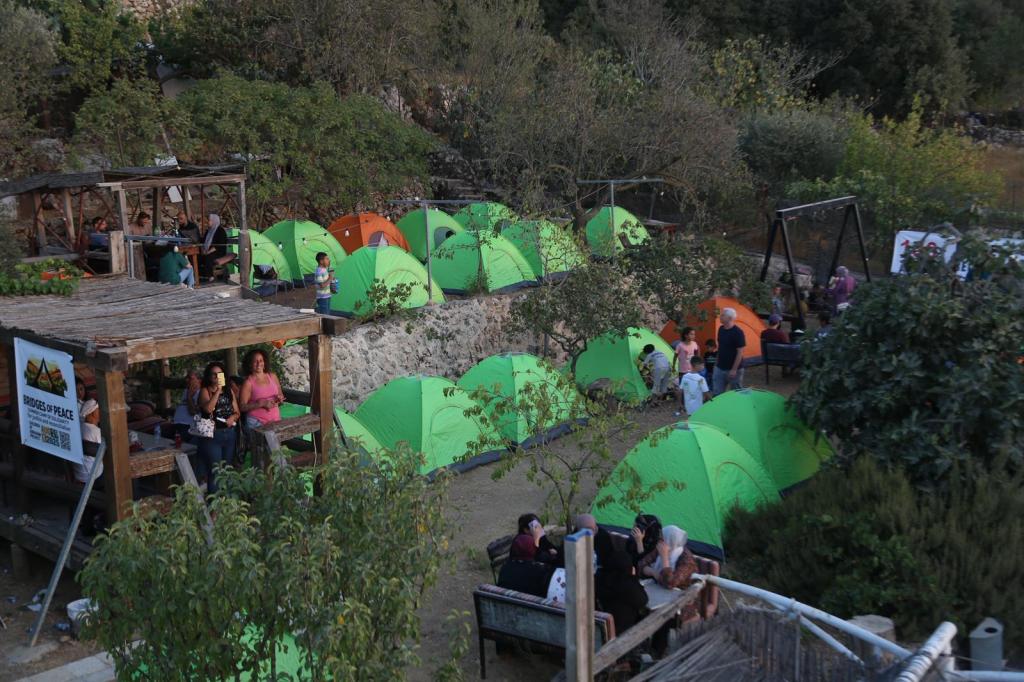
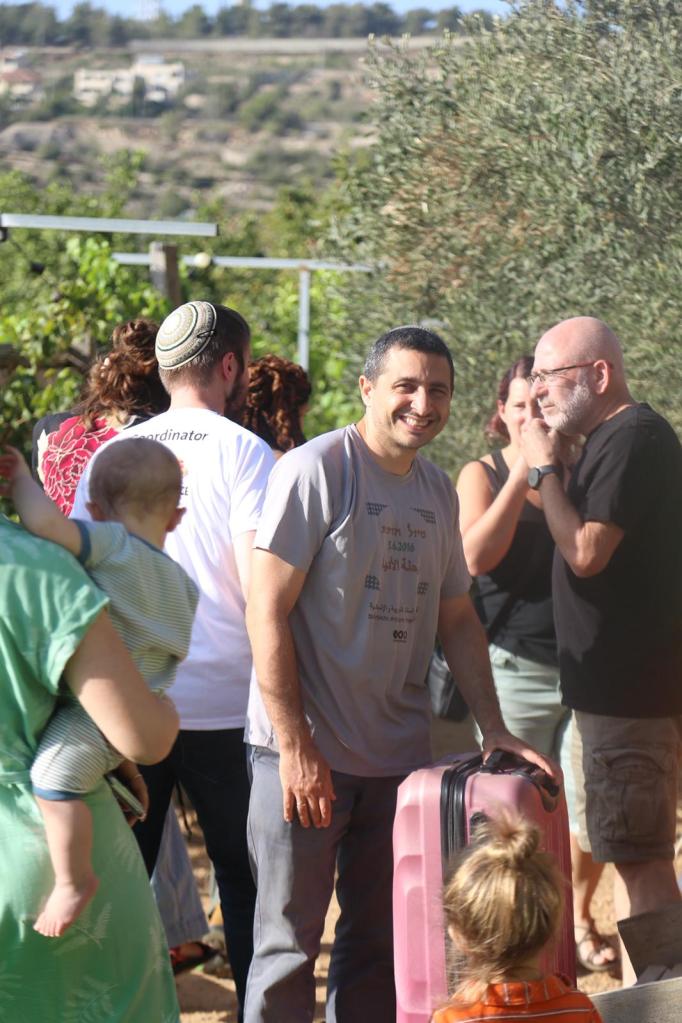
Amidst a summer of record-breaking heat and divisive war, Children of Abraham brought together 200 Palestinians and Israeli Jews for a fun day of camping together. 

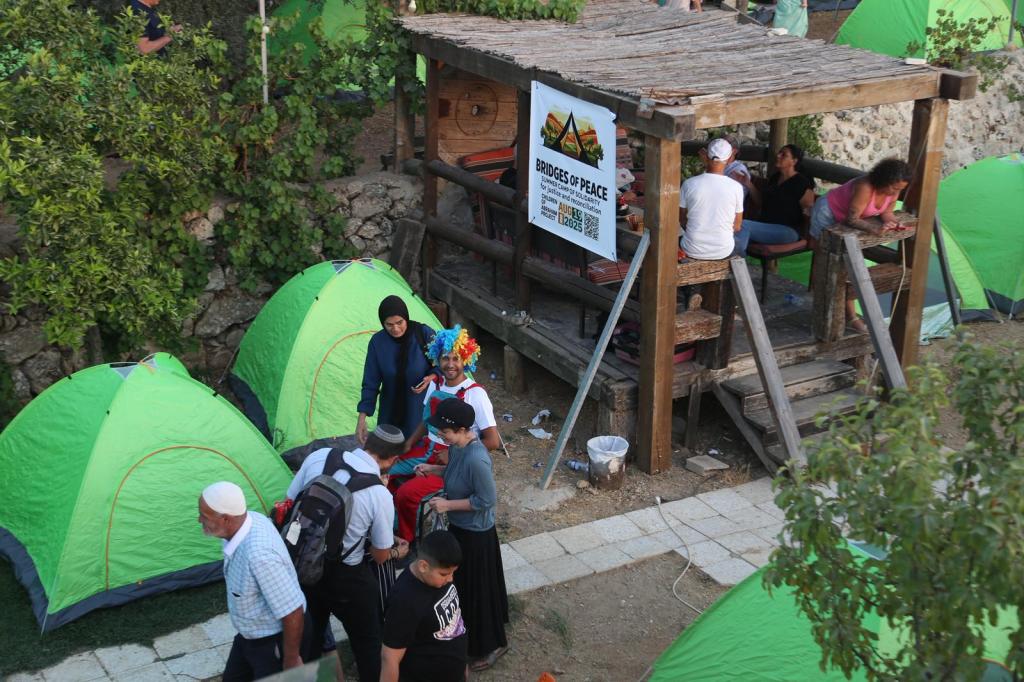
The event was multigenerational, with parents, grandparents, and children of all ages, coming from cities and towns around Israel and Palestine. Children were welcome to join Marc’s arts and crafts station, play with puzzles and inflatable carnival games, and get facepainted by a clown. Throughout the event several stands also provided handmade Palestinian crafts for sale, to help support local women artisans.

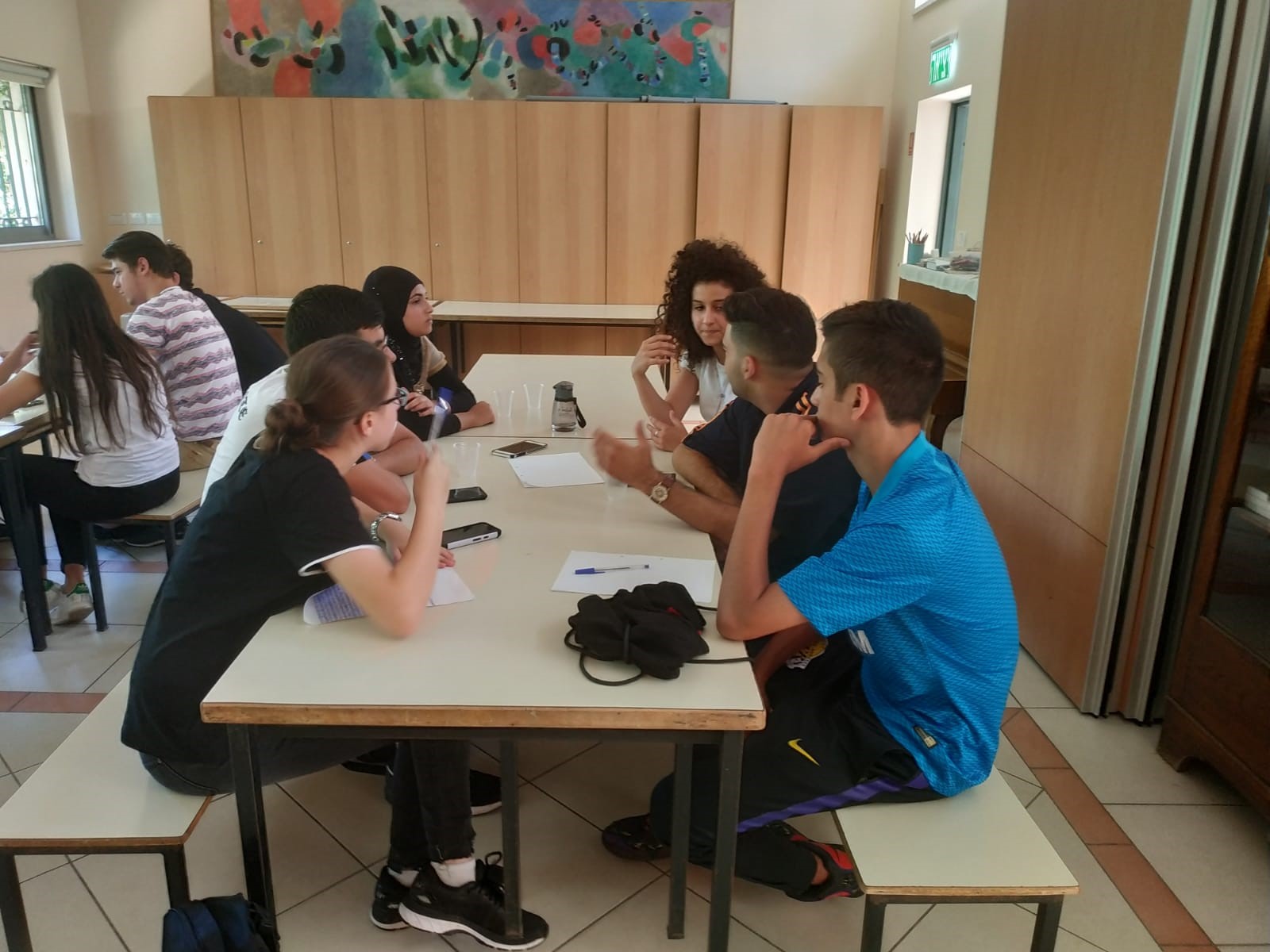
After enjoying a group dinner, a DJ played ambient music chosen to help everyone relax after a stressful summer. There were also dialogue circles and a Writers Matter group for participants to express their perspectives and experiences. The next morning breakfast was provided for all participants.

With 100 tents spread out on several levels, there was ample space for everyone to sleep comfortably, although some chose to take advantage of this opportunity to stay up late discussing peace and unity with friends from such diverse backgrounds across the holy land. 

During the opening remarks of the evening, Children of Abraham programs director and Palestinian peace activist Mohamad Jamous greeted all of the participants and welcomed them to another initiative to bring people from different communities together in solidarity and friendship. Subsequent speeches emphasized the diversity of the group, as well as the importance in choosing to come together in peace and friendship, for a better shared future. After these warm words, a special award was presented to Children of Abraham founder Jerry Katz for his dedication to Abrahamic peace in the holy land, and globally. For more information about future Children of Abraham events, please contact Mohamad (050-3190239; Mohamad.jamous26@gmail.com).
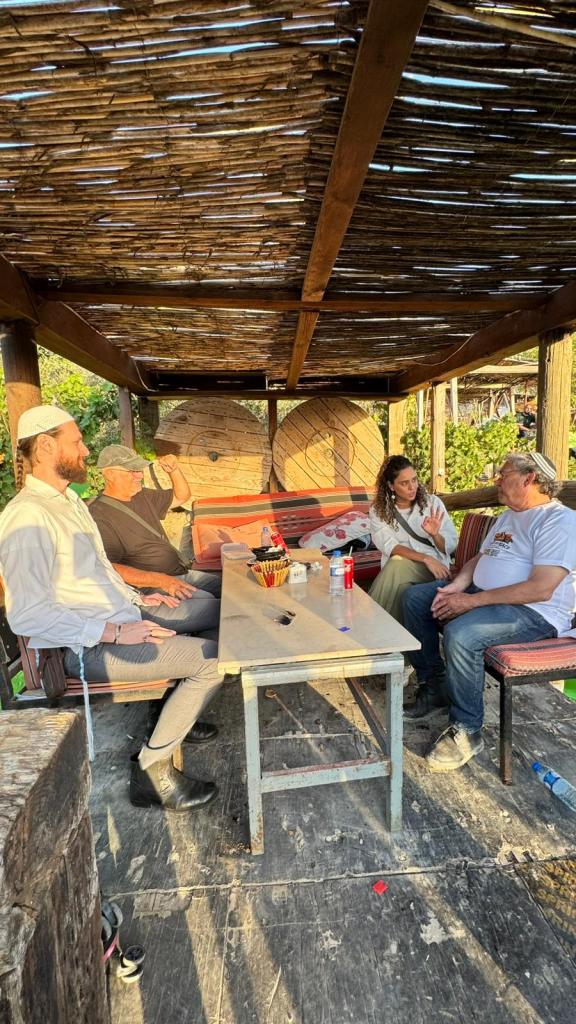
Organizer Mohamad Jamous thanked those who had supported the initiative, including David, Leah and Yoel, and shared his thoughts on the successful event:

Here I am, waking up to a new day in my journey along the path of humanity and peacebuilding.

I walk like an old man, weary in his features, whose face has been carved by years of pain, carrying on his shoulders a burden heavier than mountains… the burden of two peoples exhausted by wars, torn apart by bloodshed.

For fifteen years, I have stood—again and again—against despair, to organize yet another event, yet another gathering, that brings together what wars have divided.

I bring together people from different religions, nationalities, and backgrounds, to build a bridge of encounters, smiles, and humanity.

I have always—and still—worked to reunite people, just as I did with thousands over the past years.

I walk tirelessly, with no compensation, no salary, no reward.

I walk, carrying wounds that pierced my heart and soul, surrounded by a deep sadness that never leaves me. But I swore to continue… and I have continued.

And today, among the hundreds of programs I have led, I organized an interfaith summer camp that brought together about 200 people—young and old—inside 100 tents.

A camp that restored smiles to the faces of children, smiles I wished I could plant in the heart of every child on this wounded land… in Palestine, in Israel, and across every corner of the world.

Two hundred people shared their days and nights inside tents filled with stories, with tears, with pain…

But also filled with hope.

The theme of our camp this year was: “Justice, Humanity, and Equality for both the Israeli and Palestinian peoples, and for all peoples of the world.”

And I extend my heartfelt gratitude to everyone who stood with me and supported me, as always, to make this gathering possible—a gathering that unites us, that brings us together, and whispers to us that tomorrow will be better.
Two Sides, One Humanity: An Israeli-Palestinian Poem

The following poem was cowritten by a Jewish Israeli author and a Palestinian author as part of the Writers Matter program led by Professor Bob Vogel. The juxtaposition of two stories (fictional names based on the tragic reality of the ongoing war and surrounding conflict) illustrate how there are two human sides to the conflict, both suffering and both struggling to see one another’s pain.

Two Sides, One Humanity

It’s Sunday morning. I wake up, drool on my pillow, sheet marks scattered across my body, face still puffy. I turn on the TV to watch my favorite cartoon when unintentionally I see the news. I only linger for a moment.

On the news, they say it was them. How can I love them? They are the devil. How can I love them?

My friend Mohammad lost his parents in 2014; they were killed by a bomb. Before that, he used to be the life of the party, his smile shining bright, laughter filling my ears anytime I was around him. He loved to play soccer and play “bananir” and “8omida.” He had a dream; he wanted to be a therapist, to help heal souls, broken souls.

He doesn’t smile anymore, only the pity smile he gives to the people who say, “Sorry for your loss.” He doesn’t care about souls anymore; he doesn’t believe everyone has them. I threw a ball at him and said, “Come on, let’s play.” He kicked it back like it was never a part of him and said to give it to a kid who would enjoy it. I think I saw a tear fall, but I didn’t say anything because kids were orphaned all the time. Looking back now, I would have hugged him and told him everything would be okay. But that was a lie, and we both knew it even then… Ten years later, Mohammad was killed during the war. Then I knew it would never be okay.

My friend Yoav lost his brother during the second intifada. He was always a quiet kind kid and never let anyone fall behind. He loved to read books and go to the beach. He said he was at peace there. Yoav wanted to write books and travel the world.

Yoav is still quiet, but the kind of quiet that you notice, the kind that comes from people who have lost the will to say anything. He doesn’t read books because his brother would be the one to bring them to him. I don’t remember the last time I saw him holding a book. Yoav doesn’t come to the beach anymore. I wonder if he even has a place for peace. He doesn’t travel. I think he felt guilty to travel when his brother was six feet under. Looking back, I would have hugged him and told him everything would be okay. But that was a lie, and we both knew it even then… Twenty years later, Yoav was killed at the nova party. Then I knew it would never be okay.

Sometimes I wonder how you expect us not to hate the very people who took everything away from us.

Mohammad, even when he didn’t get to be a therapist, he was my therapist. He never liked seeing me sad, so why leave? He taught me so much and even showed me how to love myself. He used to help his mom and everyone around him. When he was killed, I didn’t just lose my friend or my therapist; I lost a part of me. A big part of me is with him in heaven. Maybe he can be that part’s therapist.

Yoav was everything to me. He was a brother. He wrote me little stories and held me up when life got tough. So why leave? Yoav was a pure-hearted boy. He wouldn’t hurt a fly. And now he’s up in the sky. My dear Yoav, are you looking down on me, guiding and protecting us?

Mohammad? 

Yoav? 

Just feel, take a deep breath, and let go. 

Stretch your hand and lay your head on my chest over my heart. 

Can you feel my heartbeat? 

I can’t feel yours. 

Why can’t I feel yours? 

Can you hear me? Are you listening? 

Are you there? Maybe if you don’t have a rhythm, you can follow mine, the rhythm of love. 

Love? I think I mean the rhythm of fear.

Eyes, beautiful eyes left open even when life went. 

Ears, clogged. Leave the ignorant bliss and educate yourself. 

Stop hearing and start listening to me. 

I will own up to my part in our story. 

But stop hiding. 

You are not innocent; a victim maybe, but you played a hand in your own downfall.

Tongues, swear to god. 

They spread empty promises and lie 

until those little white lies turn the tongue into black dust. 

You promised a future, but Palestinians in Gaza fail to pass the age of 18. 

A nation of children who never grow up. 

You promised a place where I could be me. Israeli Jews massacred in their own country. 

A nation that has been slaughtered since the beginning of time.

Our senses make us senseless. 

Paralyzed in fear like a child abandoned 

angry like the breeze slapping the trees.

Two sides, always two sides, yet only one ever seen or one you choose to see.

Eyas: Family, Friends, and Fun in Jerusalem

Hi, I’m Eyas, I was born in Israel as a Palestinian, and I am a DFP fellow from Arraba ,north Israel.

On the 15-16th of July we had an overnight Israeli-Palestinian summit held at the Finnish house. So what can we do in a one-night program in Jerusalem?

I had to be in Jerusalem at 11 am therefore I had to wake up at 5 in the morning and travel for 3 hours to get there.

The first order of business we did was the introduction, followed by a discussion about identity, especially the “Israeli Palestinians“ (or whatever you want to call us).

“ I identify myself as a Palestinian who was born in Israel  and it is so important to point out that the term Israeli Arabs is not accurate because I don’t think that the government is representing  us in any way especially after passing the nation-state law. Calling us Israeli Arab  is a way to give up the Palestinian narrative and the fact that we are Palestinians will never change..”
Eyas Asli

After that, we shared many casual conversations over pizza and fuze-tea (it tastes good with pizza😊) sponsored by the Hartman Institute. We kept debating about our connection to the land, memorial days and religion.
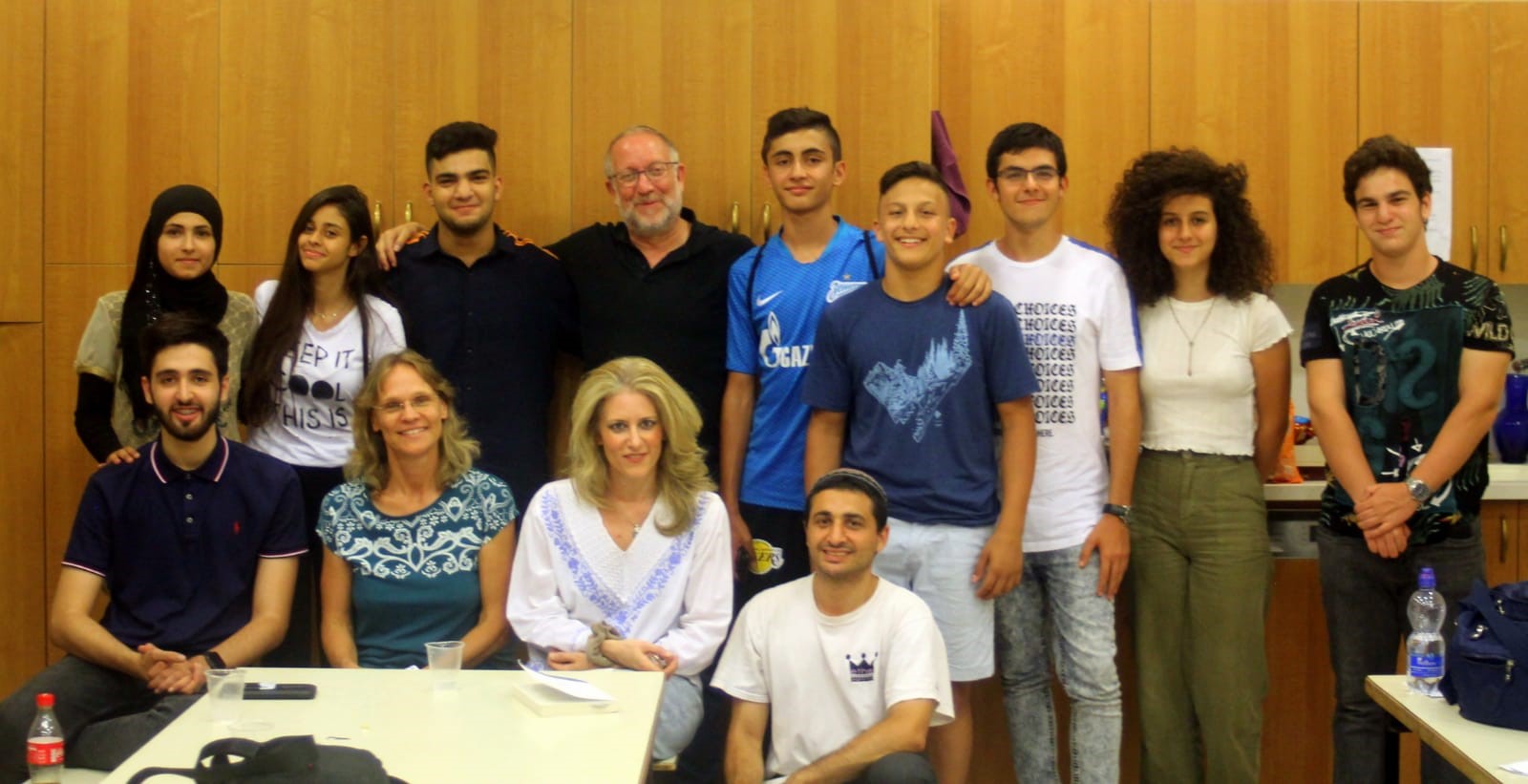
For the record, our group consisted of 12 students with very diverse outlooks on the conflict.

One of the most critical elements was our dialogue sessions. We were split into 2 groups with one professional facilitator assigned to each.

eyas 1


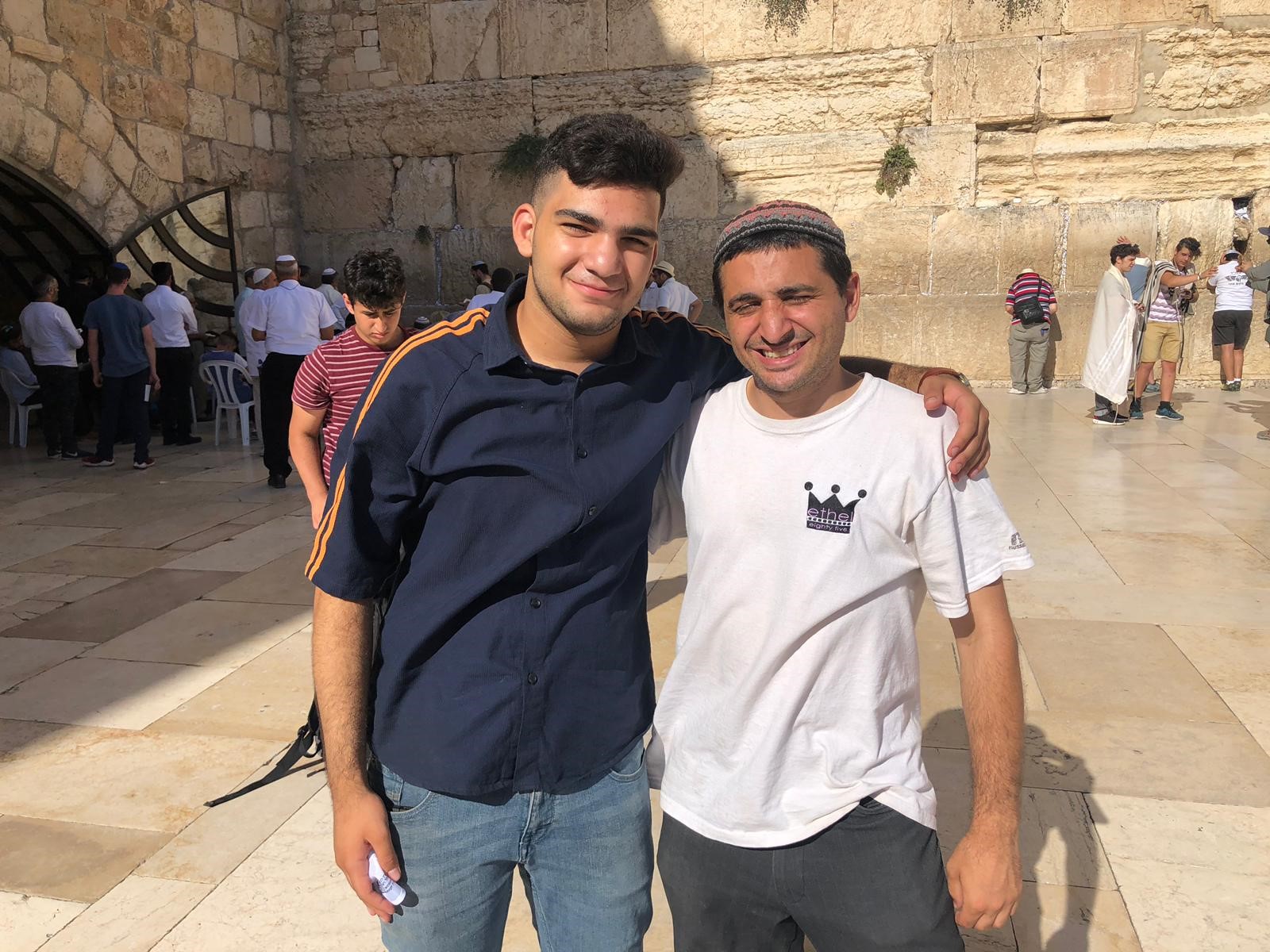
Afterward, my favorite part came; where we walked to the old city, exploring the different quarters. First we went to the Muslim Quarter, and we tried to enter Al-Aqsa mosque but we couldn’t (in that day only Muslims were allowed to enter), then we continued to the Christian Quarter, and we entered the Church of the Holy Sepulcher and saw where Jesus was crucified, it was so peaceful in there, and then it was the time to visit the western wall (the Jewish Quarter). It felt weird to be there but it was a great adventure. After that Steven took us to an authentic Mexican restaurant where we all got to eat some delicious tacos.

Steven is the kind of person everyone respects he doesn’t mince words; he loves every kid who ever joined the program. Steven helped us to get our heads on straight and to realize what a significant opportunity we had at Debate For Peace.

eyas 2.jpg

After we got the chance to visit the holy sites. We met a unique author and Storyteller- Yossi Klein Halevi, who wrote,” Letters to My Palestinian Neighbor “and many other awe-inspiring books. He told us about his experience living in Jerusalem. It was very heartwarming to hear him talking about his story and how he feels toward the Palestinians. And after that, we had a Q & A session about his excellent book “Letters to My Palestinian Neighbor ” I recommend it especially for his “neighbors.”

eyas 3.jpg

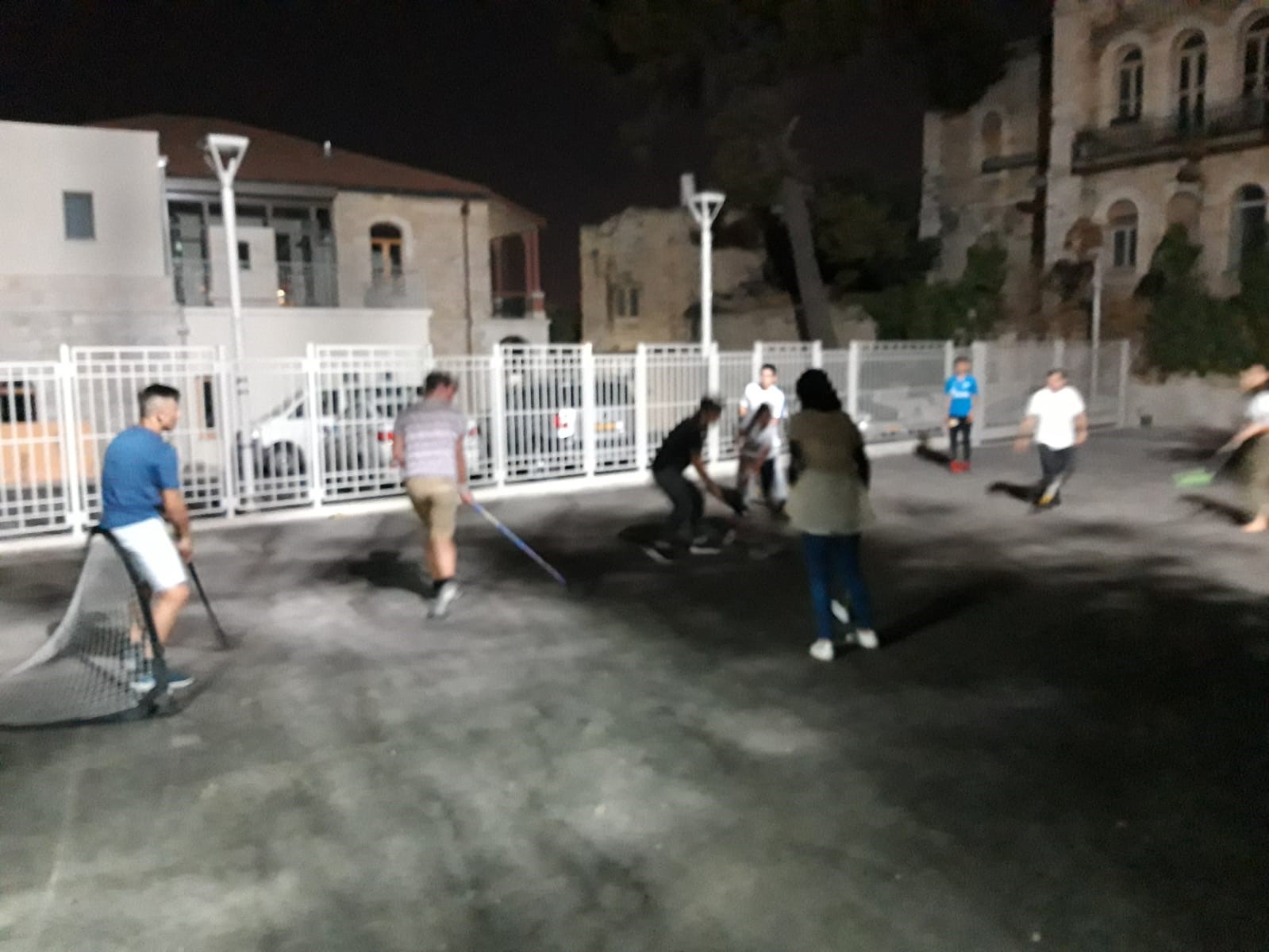
Hockey was the best way to finish the day (yeah right hockey in the middle of Jerusalem)! It was an fun, and it was my first time playing hockey, and I think I killed it. And I am going to go on record and say congratulations to Finland for winning the ice hockey world championship.

At the end of every workshop session, the friendship between us grew stronger and richer.

eyas 4.jpg

The next day we had hummus and knafeh for breakfast and then it was time for more complex debates and they were basically about the occupation, the Independence Day and “Jewish and Democratic- Paradox,” and after that we were flattered to meet a Palestinian teacher who shared his story with us and told us what is it like to live in a refugee camp.

Towards the end of the workshop, we had the chance to discuss different resolutions for the conflict and how to make peace, followed by a concluding circle.

I am very grateful for the Finnish center and for their hospitality and companionship, and to Yossi, Michal and the Hartman Institute for supporting us. It would not be an exaggeration to say that what we did in one overnight program would’ve been done in a week in other programs.
Thank you, Steven, I am so thankful for what you did for us, Cheers to these long lasting bonds and cheers to this prestigious DFP program.