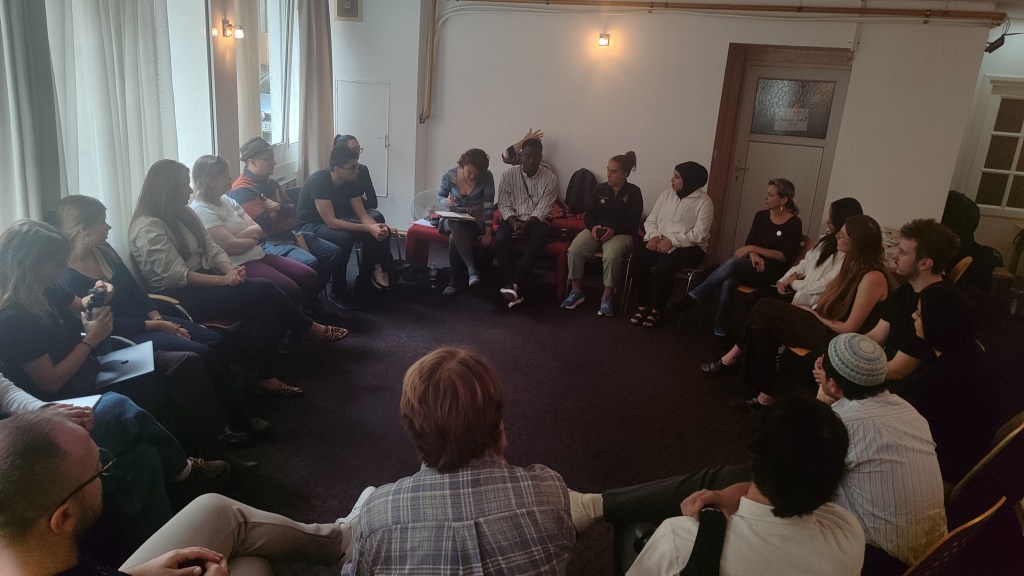
Annual Children of Abraham Interfaith Iftaar Expands Despite Challenges of War
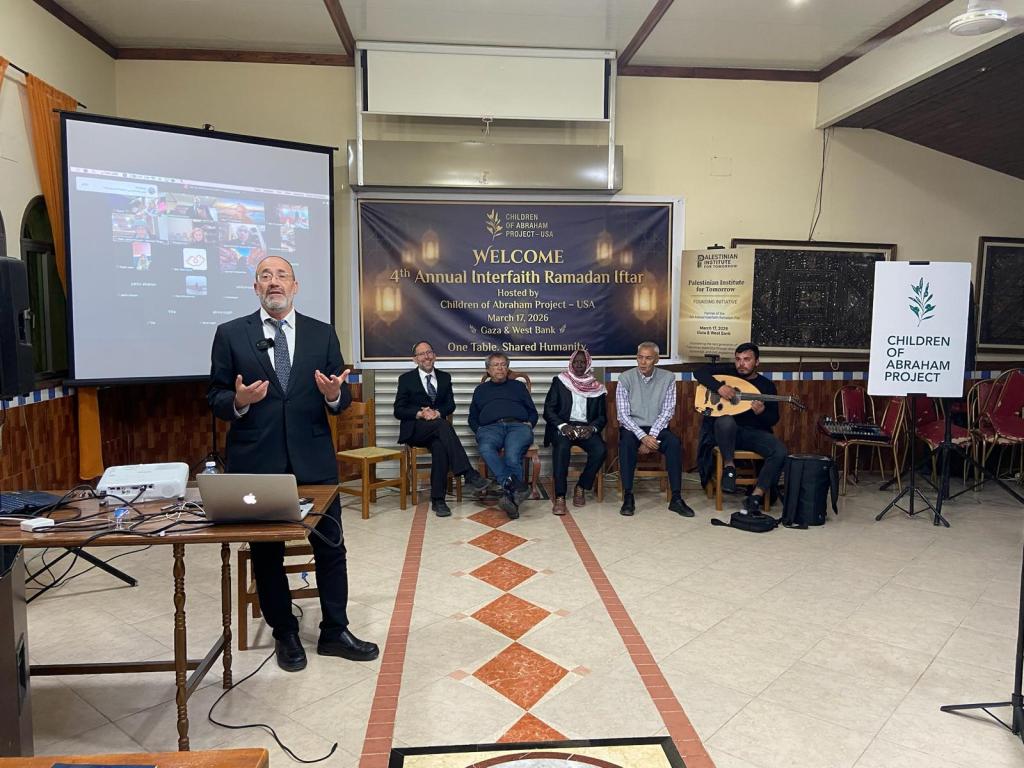
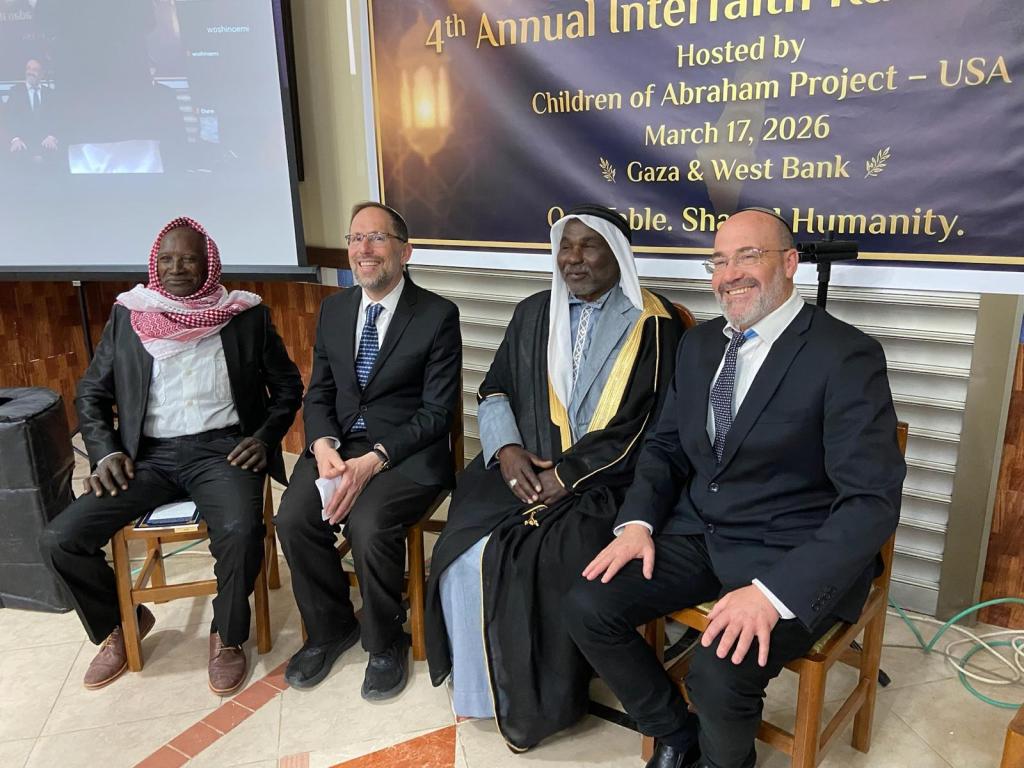
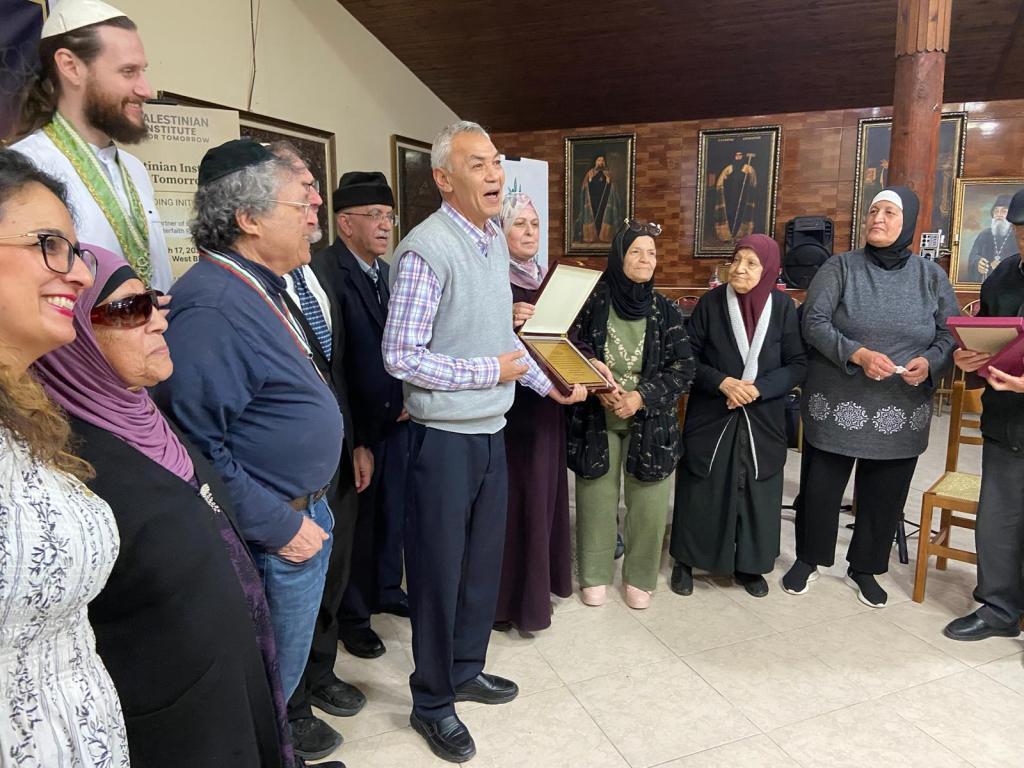
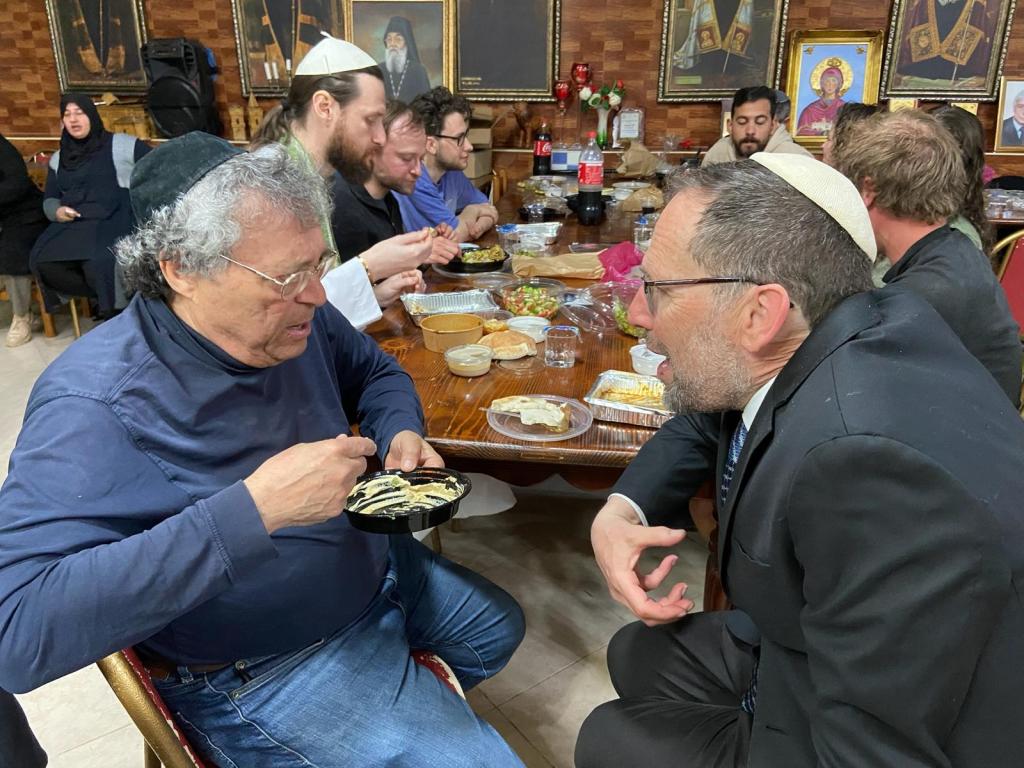
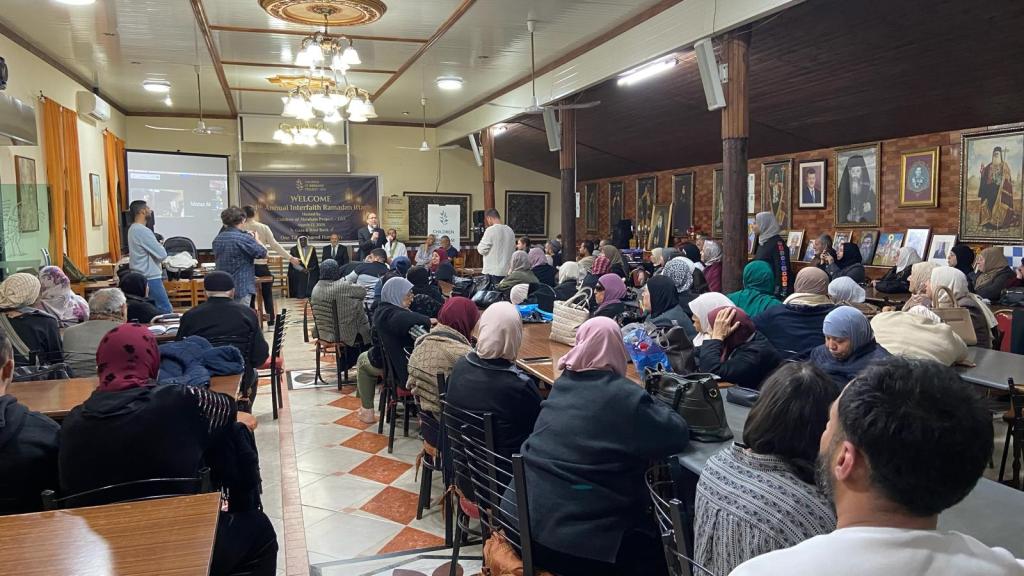
After making history last year with the largest ever interfaith iftaar in the holy land, Mohamad Jamous and his partners set out to do the impossible–hold a repeat event connecting Israeli Jews and Palestinians in the West Bank and Gaza. Despite the outbreak of war with Iran, transportation cancellations, and threats of missiles, they once again succeeded in bringing together leaders from all walks of life and religions.

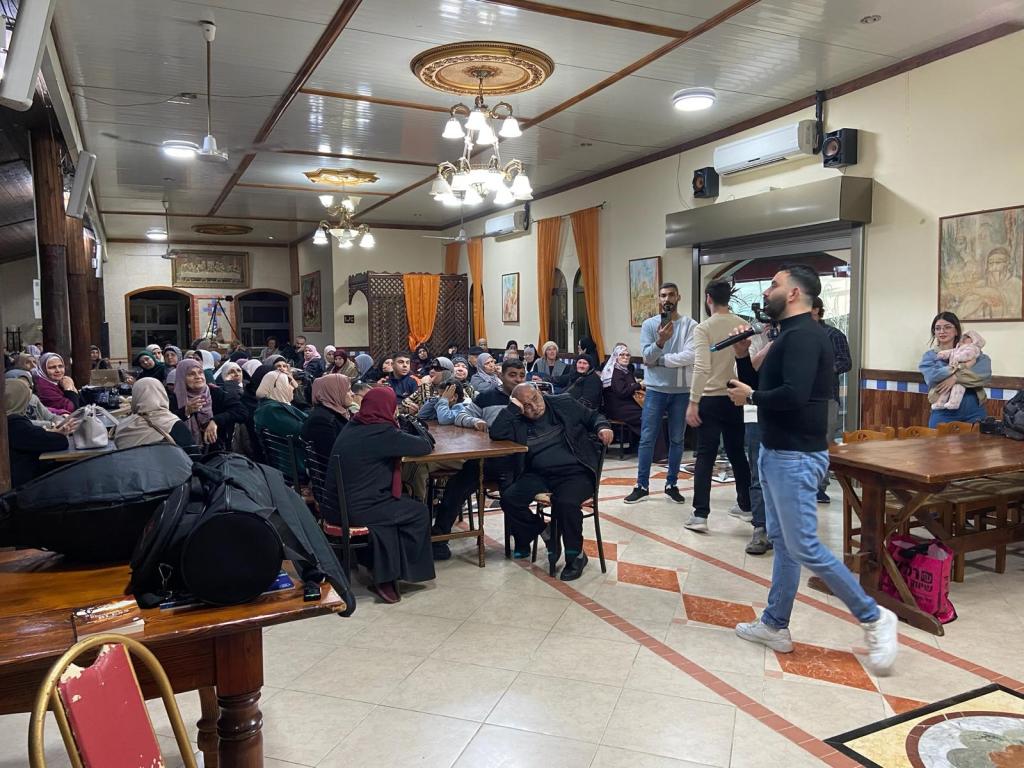
On Tuesday March 17th, one of the final days of Ramadan, hundreds of Israelis, Palestinians and international guests met in the West Bank for a series of speeches by religious and community leaders about the importance of peacebuilding. Simultaneously, several hundred Gazans met in a second location, with several addressing the main forum via Zoom. Additional groups included an interfaith Israeli-Palestinian group in London, as well as the Jaffa interfaith group. Later in the day yet another Jewish-Muslim interfaith iftaar was held at the home of Sheikh Musa Drammeh in the Bronx, NY.
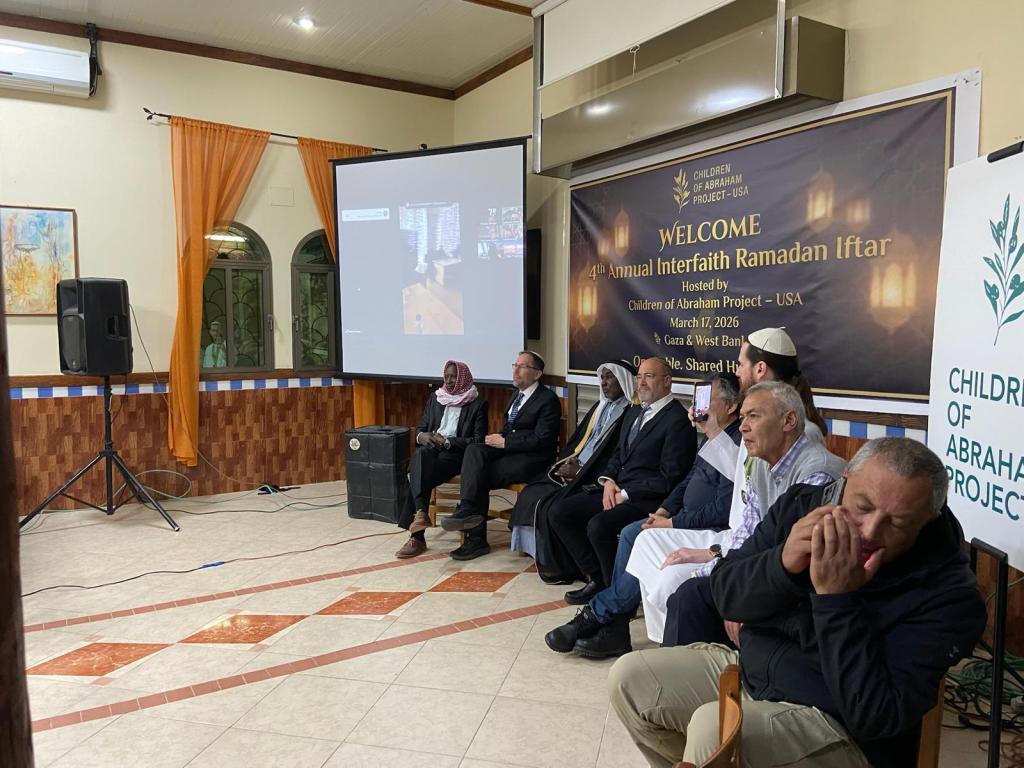
Mohamad Jamous, the main organizer of the Children of Abraham Iftaar, shared his thoughts after the event:

“Even in the middle of war, we chose to build a table for humanity bringing Palestinians and Israelis together to say that humanity, dignity, life, and peace must come first.

This interfaith Ramadan Iftar brought together over 1,500 Palestinians and Israelis across Gaza and the West Bank, with parallel gatherings in London and Tel Aviv connected online.

The initiative created a shared human space during war and raised a united voice for dignity, peace, and an end to violence.

From Gaza, voices like Moataz reminded us that even in the darkest reality, people still choose life and hope.
Samira shared a simple but powerful message: no more mothers should lose their children we all deserve a future of peace and humanity.

This event was made possible through the dedication of many coordinators and partners who believed that even in the hardest moments, humanity must come first.”
Aviv Lis, who organized the London Iftaar group after being unable to travel to Israel, explained that with only three days to plan the London meeting, he quickly got dozens of guests, who “heard from a Palestinian from Gaza, a Mizrachi Jewish Israeli woman from Jerusalem, a Palestinian refugee from Gaza who just received asylum in the UK and an Iraqi Jewish man from Baghdad who spoke of his natural friendships with Arabs who all shared their stories in person and via zoom to the Holy Land. Right before Iftar breakfast we all sang together songs of peace in Arabic and Hebrew led by a Tunisian Oud player who was assisted by my Israeli friend Ella and my Palestinian friend Abdulrahman. It was a magical event and I was so thankful I was able to organize it at such a short notice. None of it however would have been possible without Mohamad’s support and vision for peace, a vision that many here in London share and support.”
Youth Working Group on Social Cohesion (YWGSC) founded in Petah Tiqva on October 28

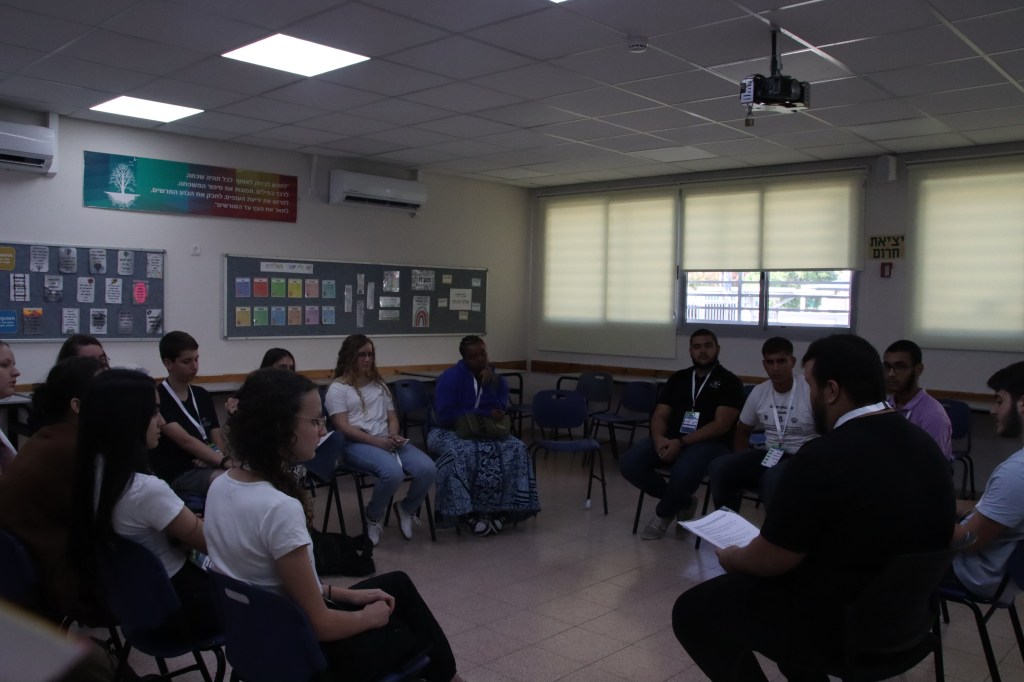
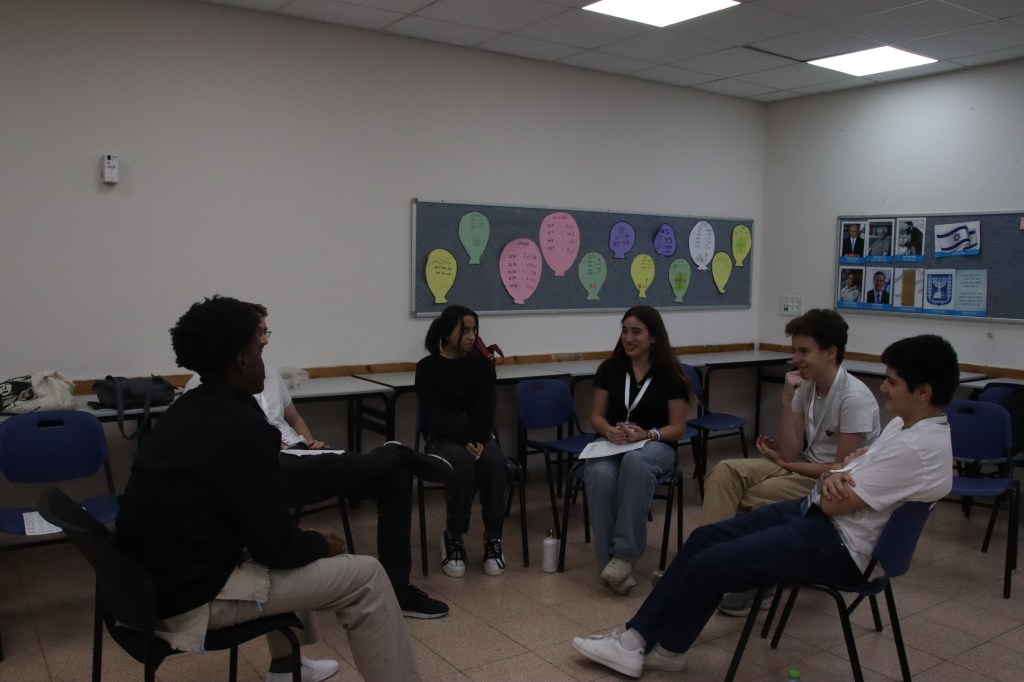
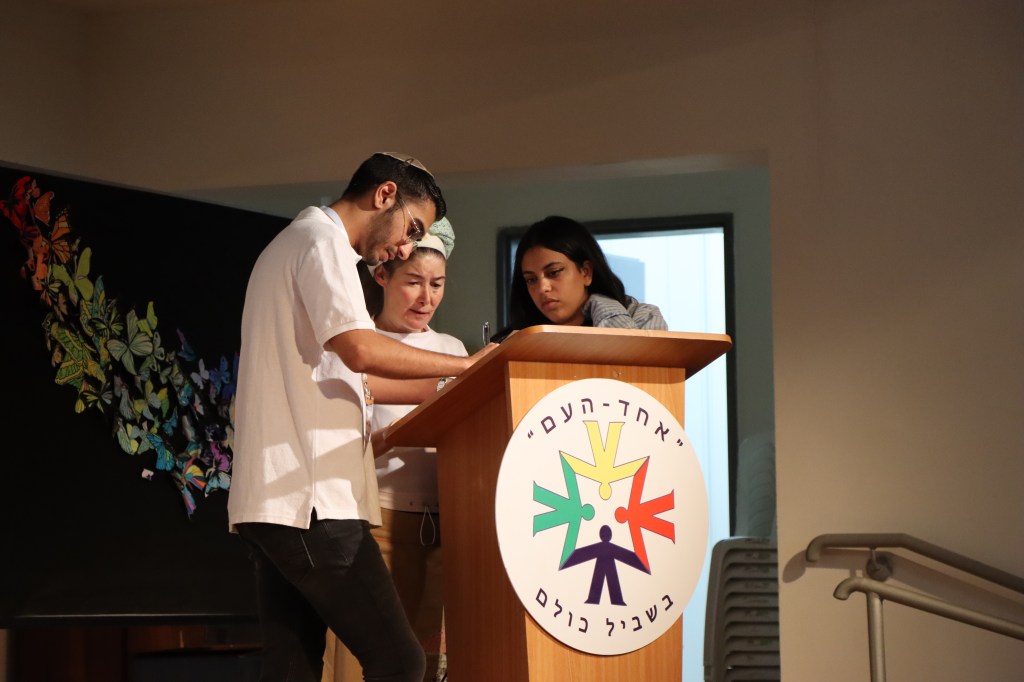
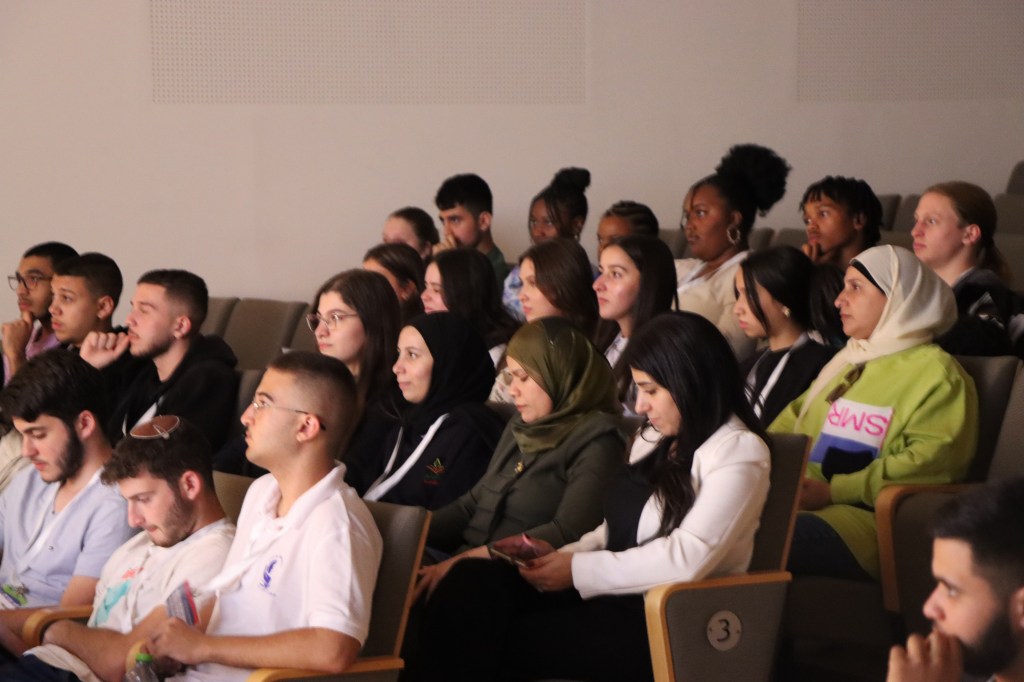
The inaugural meeting of the Youth Working Group on Social Cohesion (YWGSC) was held on Monday October 28 in Petah Tiqva. This unique event, which coincided with a Unity conference organized by the Chen Young Ambassadors School, was hosted at the Ahad Ha’am Junior High school in Petah Tiqva. Students came from a range of communities around Israel, including Ashkelon, Baqa al-Gharabiya, Deir Al-Assad, Dimona, Fureidis, Herzliya, Jerusalem, Karmiel, Modi’in, Petah Tiqva, Rahat, Sakhnin, Shefa-amr, Tzur Hadassah, Shoham, and Tel Aviv, to share perspectives, and brainstorm practical steps to improve relations between different communities around Israel from a youth perspective.

The students, including delegations from the Darca Brotherhood school (Dimona), Amal Rahat, Ibn al Haithem school (Baqa al-Gharabiya), and the Shefa-amr Comprehensive C School, as well as individual delegates from several dozen schools around the country, worked in five breakout rooms, which focused on Identity, Stereotypes, Religion, Society, and Social Media respectively. The topics were chosen by a dedicated team of Arab-Jewish teen leaders, who also facilitated the discussions using three languages (Arabic, English and Hebrew). At the end of the meeting, each group, as well as a sixth group of educators, produced their list of recommendations for improving social cohesion, which will be published in a forthcoming report and distributed digitally. The Working Group is now transitioning to planning the second meeting, while also disseminating the report of the inaugural session.

The initiative to advance unity and social cohesion by empowering youth voices, and addressing topics like diverse identities and religions, stereotypes, positive social media use, and an inclusive society, took great courage, particularly in the midst of an ongoing armed conflict. Debate for Peace congratulates each student for their decision to join, as well as the educators who supported their participation. 

Abd alRahman Masri, a student at Ibn Al-Haithem high school,  explained that he had learned about Jewish culture and how Arabs are perceived. He noted the importance of meeting face to face and not relying on media representations of one another. Naomi Fellert, from Ahad Ha’am Junior High School, said that “In the conference, I learned so many new things and met so many people from different backgrounds”. 

Madian Marana, from the Younited school, facilitated the Stereotypes group. She shared that “Throughout the discussion, I would look at my co-facilitator and smile; we both could feel the rise of engagement, and the crossing of language, social, and emotional barriers. I felt that we succeeded as facilitators when students shared that the discussion had challenged the values their family and community bubbles had imposed.”

Yasmine Yassin, a teacher from Shefa-amr Comprehensive School also noted that: “The program was a rich experience for my students. They really enjoyed the discussions. One student said it was surprising to her that people were good listeners and tolerant and respectful toward her opinions.” 

Partners and sponsors included the Darca Brotherhood school (Dimona), Amal Rahat, Ibn al Haithem school (Baqa al-Gharabiya), Shefa-amr Comprehensive C School, Ahad Ha’am Junior High School, Chen Young Ambassadors school, the regional student parliament of Tel Aviv region, the young leadership team of Petah Tiqva, the Youth and Education Office for Tel Aviv region, and the office for volunteering of the higher education department, Petah Tiqva. 

Photo credit: Kai Dekel, Shalev Khaikin, Rayan Kaise Badarne.

To get more information, or join the Working Group, please contact Steven Aiello: debateforpeacemun@gmail.com.

Peacebuilding in Sarajevo: The Asfar- Resolve Network Conference 

By Debate for Peace staff Hala and Sharehan

The Asfar- Resolve Network Conference 

This three day well organized conference brought together lots of participants from different parts of the world to better understand injustices and conflicts globally and come up with realistic solutions.

This year’s Resolve conference was held in Bosnia-Herzegovina; a place which has experienced many conflicts, yet is full of interesting people. From the minute we arrived at the conference location we were welcomed by energetic participants and volunteers who we really enjoyed our time with!

The first day, the topic was about youth in peacebuilding which in fact we really related to– since our main goal is to focus on youth groups all over the world to be aspiring peacebuilders and activists. In addition to the opening panel and workshops, as volunteers in this conference, listening and seeing all the participants for the first time brought us lots of new ideas and hope. 

That first day we had some inspiring guest speakers, one of them that really caught our attention was a woman who spoke about her experience working with youth in Afghanistan, which shifted the gears of our minds. Because the obstacles she had to overcome in order to make change in the world especially in such a “dangerous” zone made us realize that no matter what we face at the end we can achieve one of our goals, which is being the change and making what is so called impossible possible.

Another one of the speakers was a representative of the Post-Conflict Research Center in Bosnia, who opened our eyes to using the method of educating kids from a young age in schools about peacebuilding and how to speak up rather than staying silent, which is an ingenious idea that we can also apply here in Israel.  

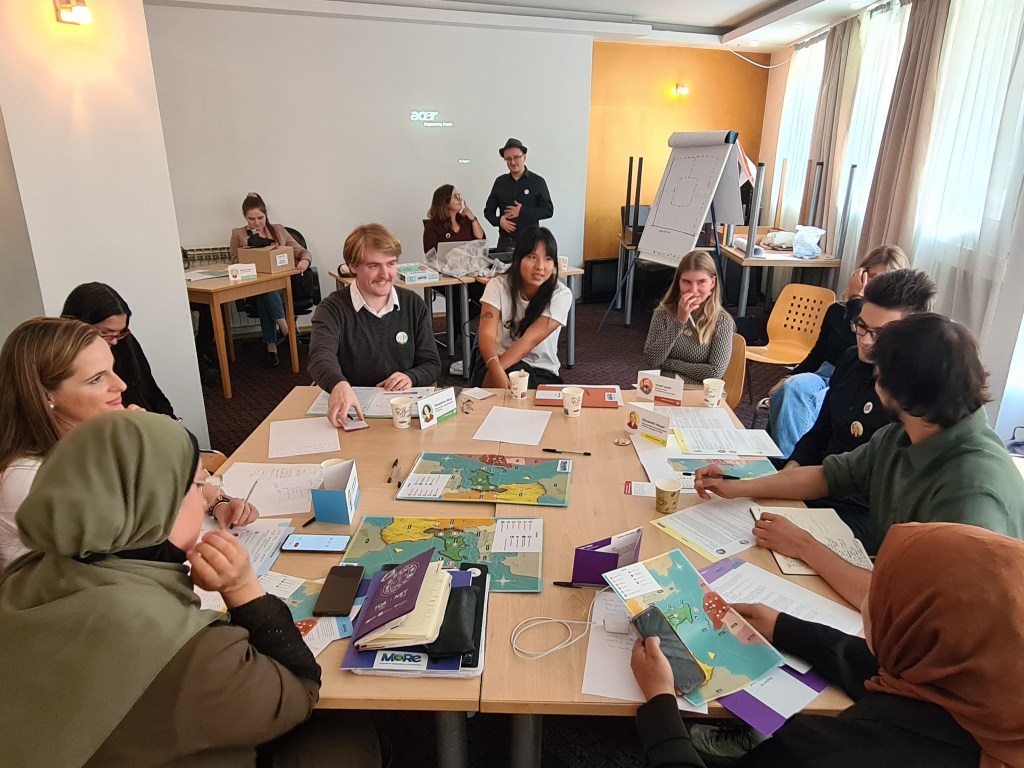
Although we learned a lot that day, we also had fun playing a simulation game called MORE. Since we had the opportunity of playing roles that were assigned to us and really feeling the pressure of making decisions that may determine the results of the simulation game. After an interesting day we had the opportunity to discover the old town of Sarajevo, with the amazing participants and volunteers from five continents.

The second day started with us decorating the conference room, as us girls and volunteers always do. We had the honor of hearing Jo Berry’s story about how she managed to hear the enemy’s story and the motivation of the man who had murdered her father and how that decision to meet and listen changed her whole reality. During her talk she said “Perhaps more than anything I’ve realised that no matter which side of the conflict you’re on, had we all lived each other’s lives, we could all have done what the other did”. When Jo finished her story, she talked to the audience individually. After hearing everyone’s perspective Jo was interested in Debate For Peace members Hala’s perspective on the story . So Jo decided to give Hala a book signed by her, which Hala was so surprised and thankful about. Because during Jo’s talk Hala picked up the methods of forgiveness that Jo mentioned and used to forgive the soldier who killed her father. 

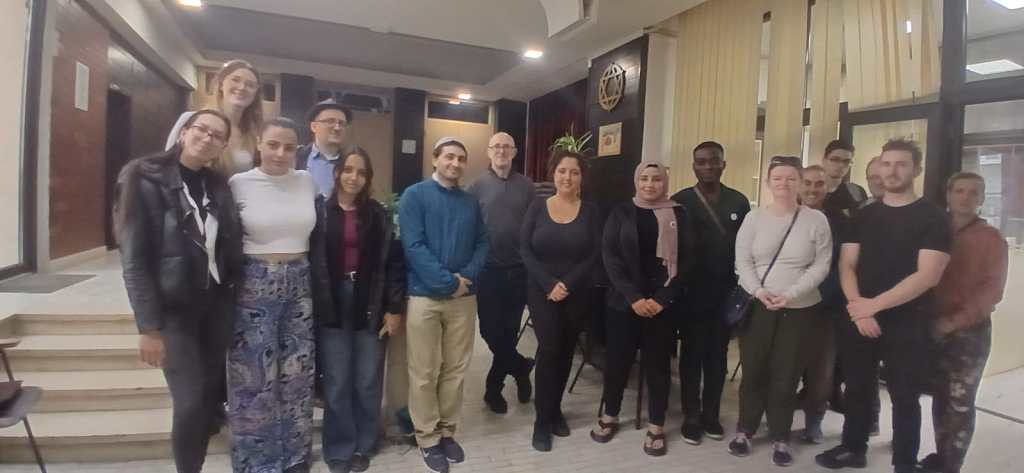
During that day we snuck out during our lunch break to visit the synagogue, however we are glad that we did. Seeing the faces of our new friends approaching the synagogue, many for the first time in a synagogue, and them taking pictures of the place was amazing, because then we realized no matter what your background or ethnicity is, everyone has a soft spot when it comes to accepting and admiring new things that comes their way.

When we came back to the conference room, we learned how to really write a heartfelt well structured paragraph, that we really did the old style with a couple of tears, pens and paper.

That night after our bellies were full of authentic Bosnian food we had the chance to get to know each other on a deeper level, by playing a card game called “Empathy Box” that was facilitated by Steven, which actually had some of us participants in tears by the end of the night. 

The third and last day of the conference started with laughter and joyful tears that were shed while playing simulation games to highlight the complexity in peacebuilding. Then to continue with our topic we heard from an inspiring speaker with a complex yet real story of coming from an unrecognized village. Our own Sharehan Alwakiliy had the opportunity to share her story: where she came from, and how she had the courage to speak up and overcome many obstacles. 

After that amazing session we played more simulation games led by Steven, and the twist was that people who participated and very much enjoyed the games got an Israeli chocolate as a reward. Unfortunately the conference time passed quickly, and before we knew it was time to say goodbye to all of our new friends. Even though we had only known them for three days it felt like an eternity now? 

Another interesting thing we did post conference was to experience every religion in one day, highlighting the beauty of Sarajevo, the Jerusalem of Europe. First we heard the adhan call to prayer, so we decided to head to the masjid to pray since some of us are Muslim. Afterwards we were invited to Friday nights prayers and Qiddush in the synagogue which was really interesting and new to all of us. On our way back to the old town we heard the bells of the church ringing so we decided to follow the sound and visit the church. People practice their religion in many different ways yet at the end we belong to one human race which for those of us in peacebuilding is a really huge reminder that at the end of the day we are one, no matter our differences.    

With deep appreciation to the Asfar team, all of the partner organizations, and the wonderful participants, volunteers, and locals of Sarajevo who helped us have such an amazing experience!