DfP Students from 10 cities Participate in YMUNE in Geneva, Visit UNESCO
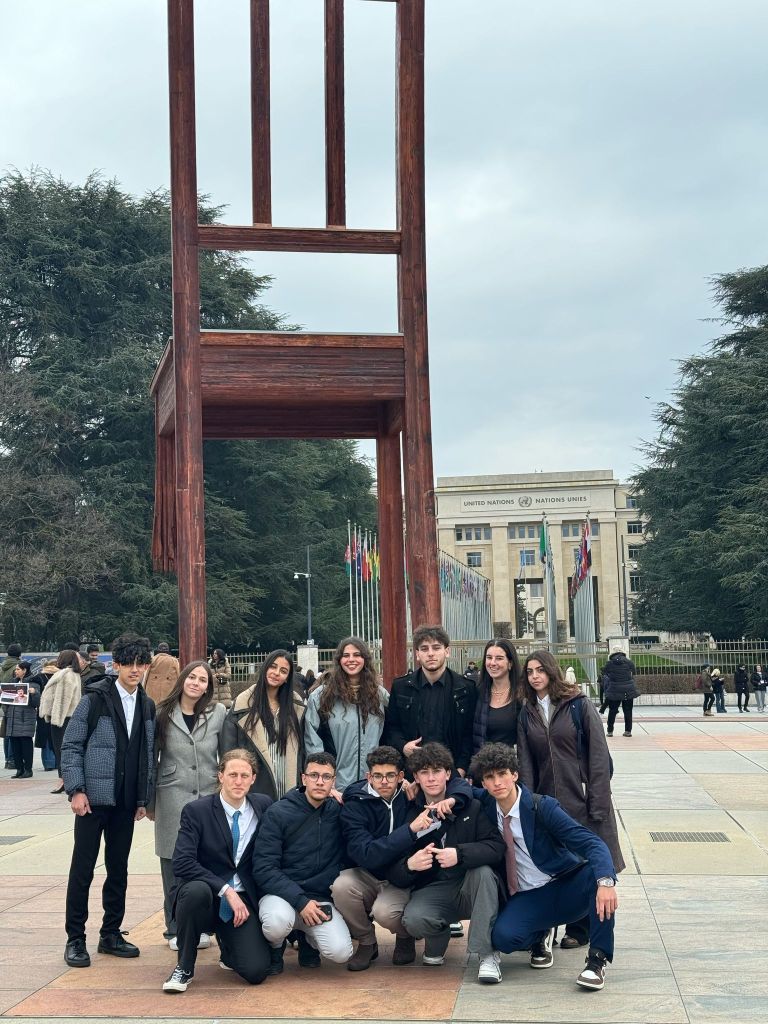
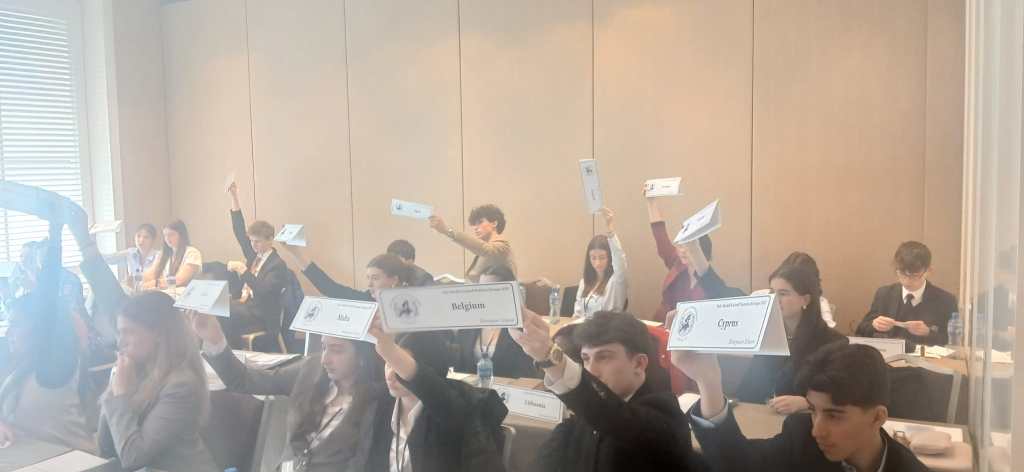
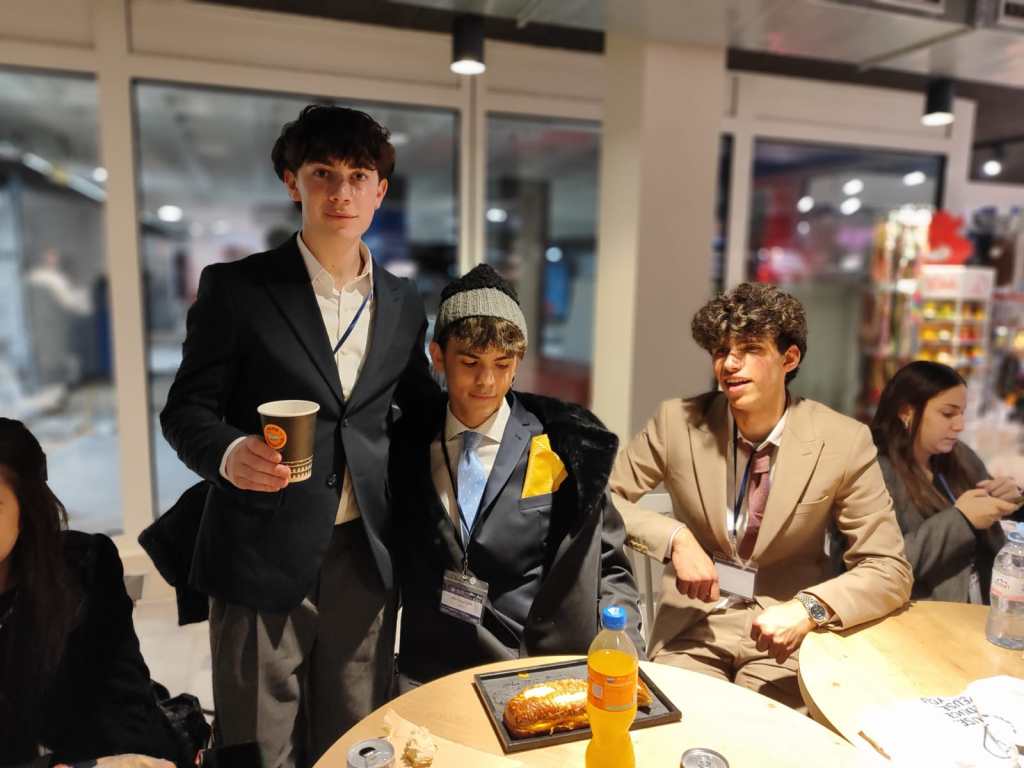
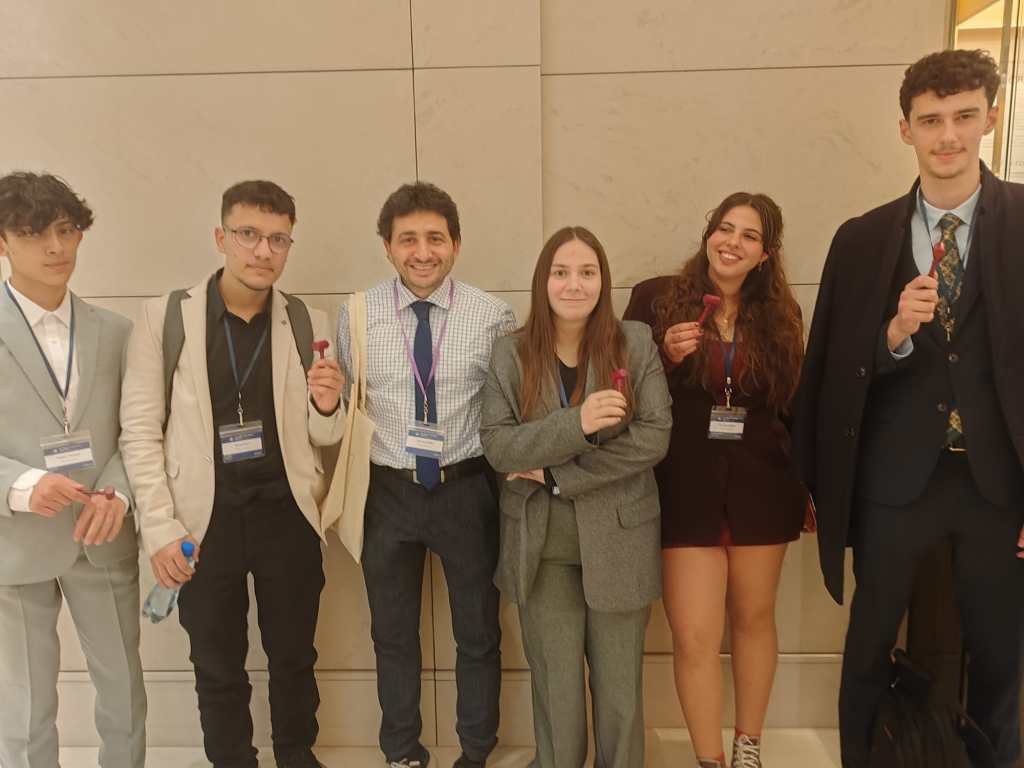
The 2025 Debate for Peace delegation to Yale MUN Europe brought thirteen students from ten cities around Israel, as well as Azerbaijan and Kosovo for three days of international level Model UN competition, as well as several meetings to learn more about peacebuilding, education and diplomacy. This year’s YMUNE conference, held in Geneva, Switzerland, one of the centers of global diplomacy, featured ten committees discussing topics ranging from autonomous weapons systems, to space colonization, with students from seventeen countries and four continents collaborating to cocreate innovative responses to pressing global issues.
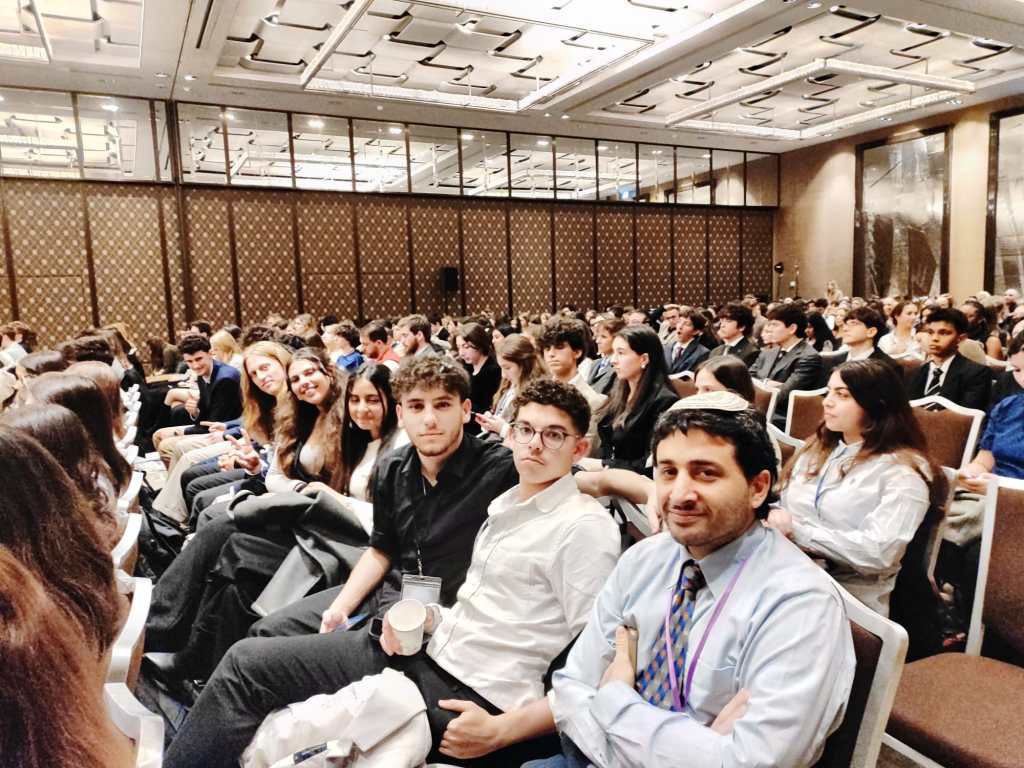
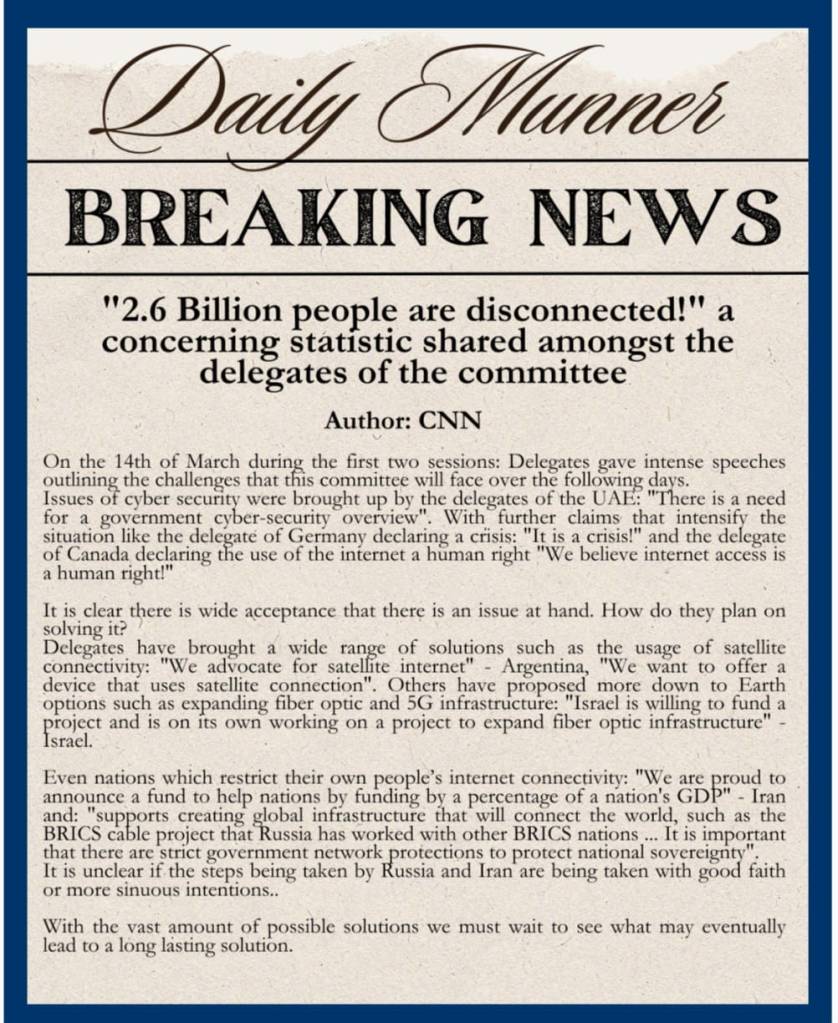
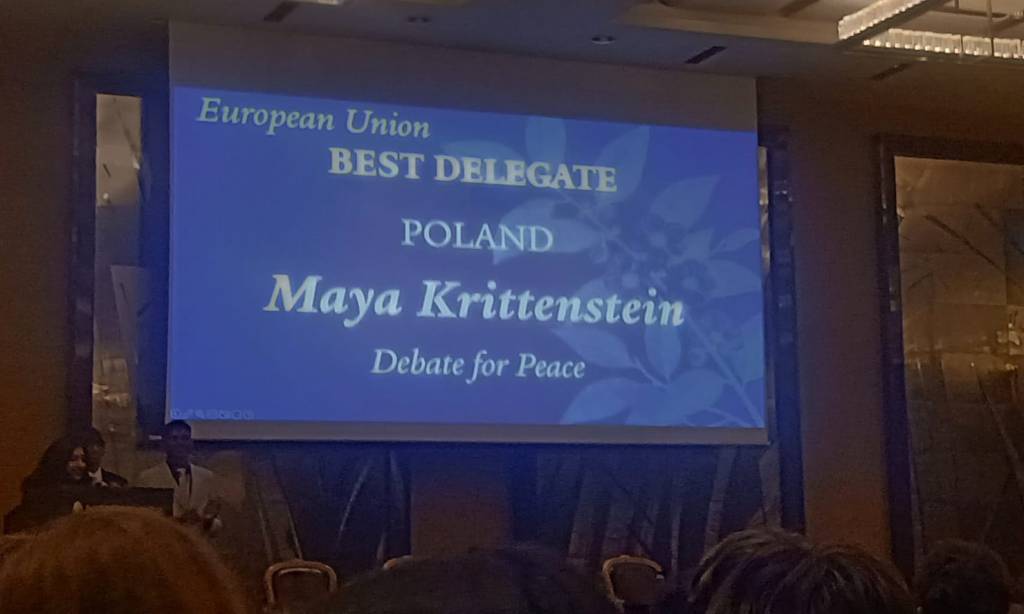
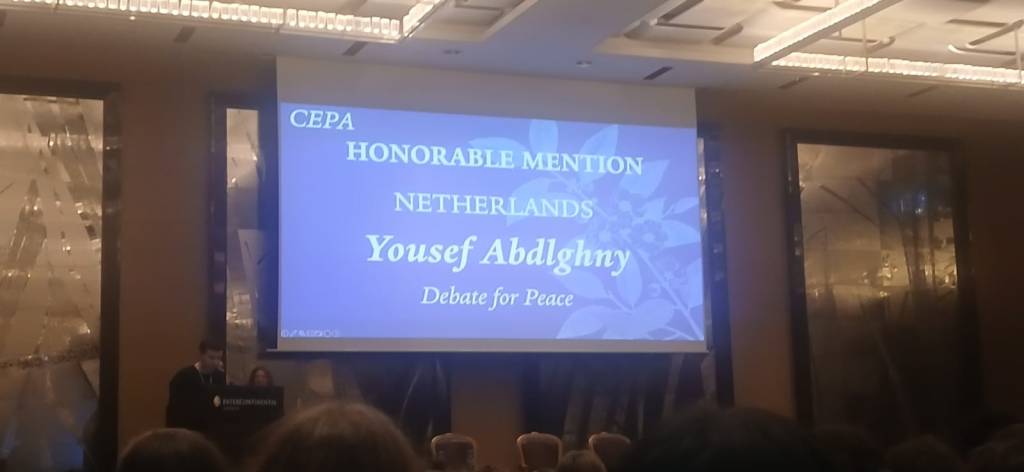
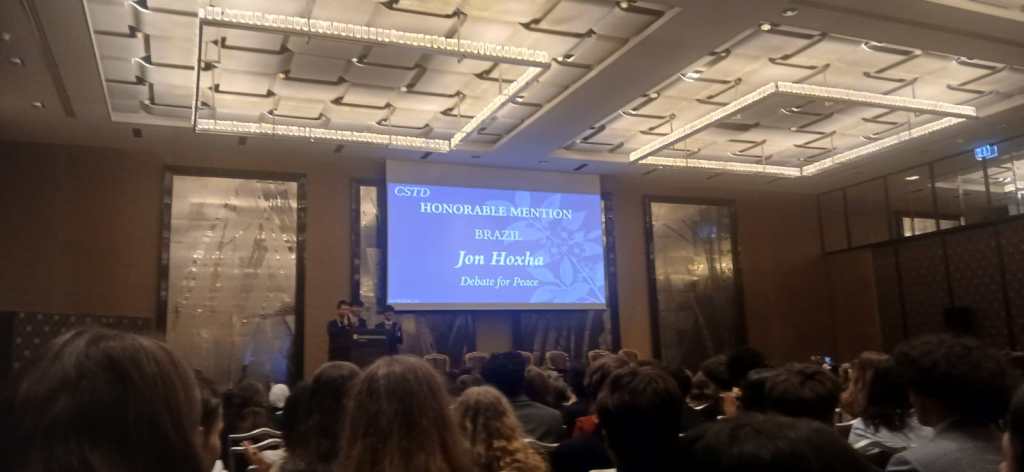
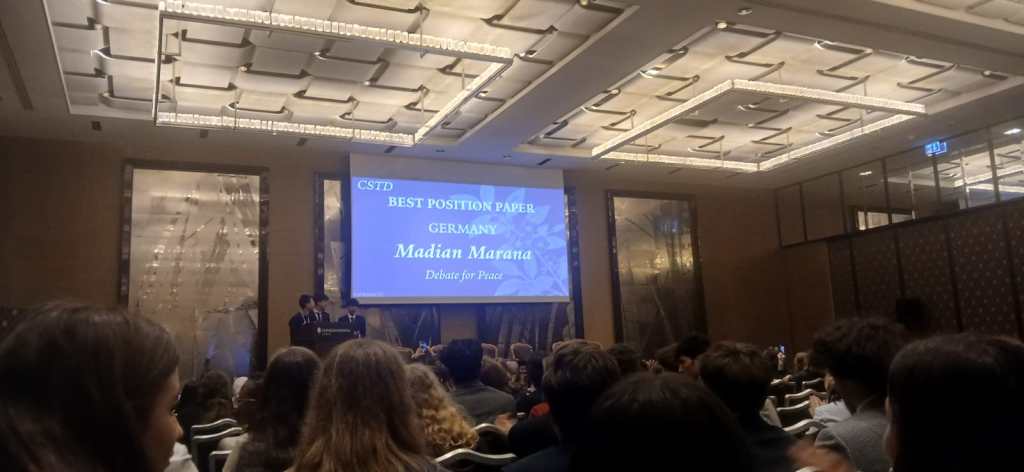
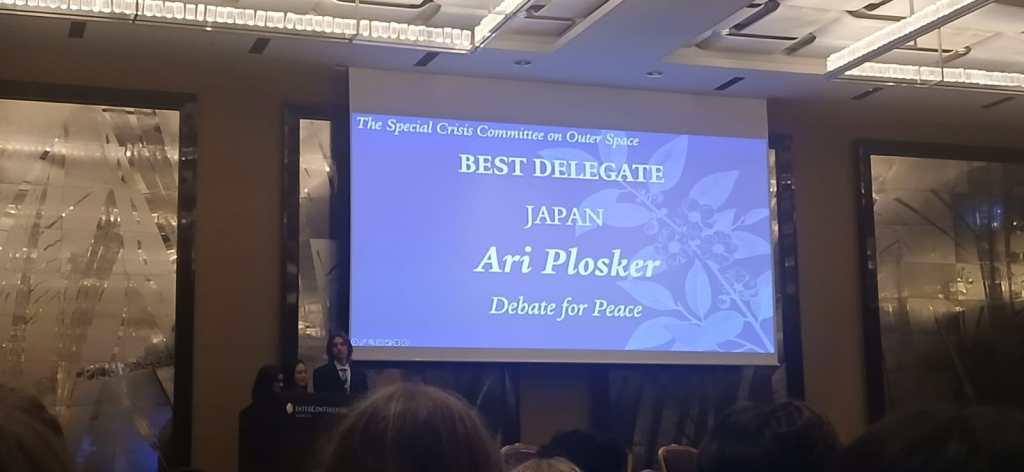
The Debate for Peace group included students aged 14-18 from Hand in Hand (Jerusalem), Ort Hilmie Shafie (Akko), Studio Ankori (Jaffa), Atid Raziel (Herzliya), Ironi Gimel (Modi’in), Younited (Givat Haviva), Yachad Modi’in, Hadassim (Even Yehuda), Ibn Sina high school, “Thiya” Moscow, and QSI International School of Kosovo (Pristina), from three religious backgrounds, and speaking more than half a dozen languages. Special recognition goes to Jon Hoxha, Yousef Abd El Ghany, Maya Krittenstein, Ari Plosker and Madian Marana for winning awards during the conference, marking one of the most decorated Debate for Peace MUN delegations.
In addition to participating in the conference, the delegation held several meetings, including talking to Mehra Rimer from B8 of Hope, a Swiss non-profit supporting Israeli-Palestinian peace programs, and Ambassador Randolph Debattista, Permanent Representative, and Counsellor Bernard Mifsud, from the Mission of Malta to the UN and International Organizations in Geneva. 
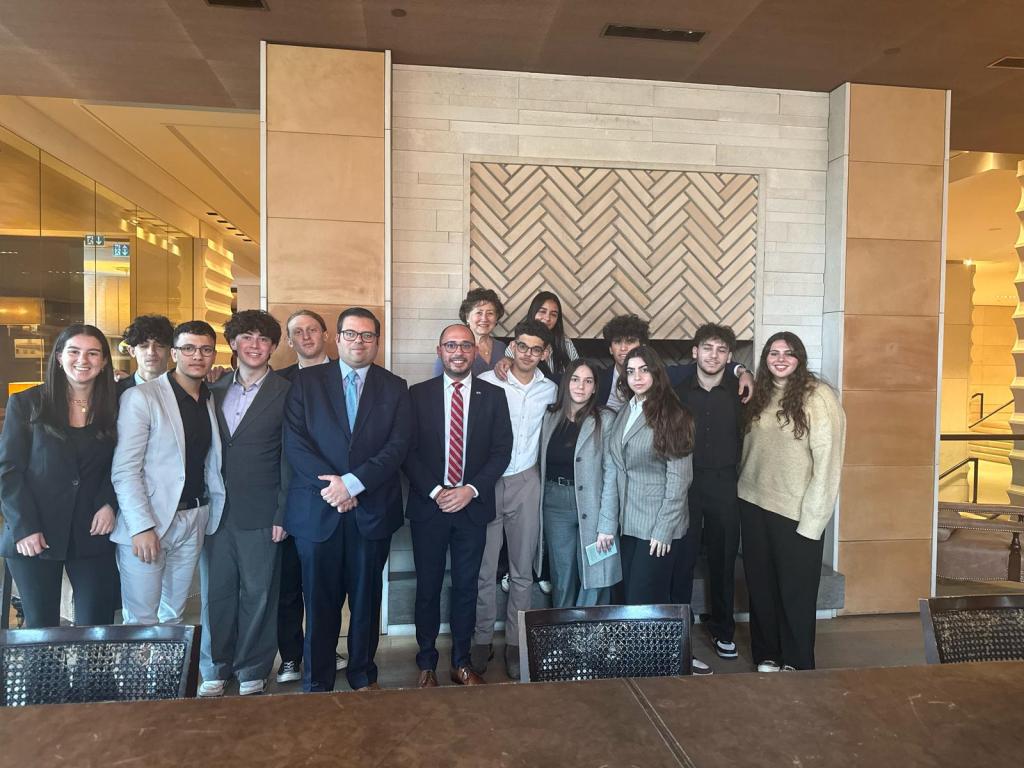
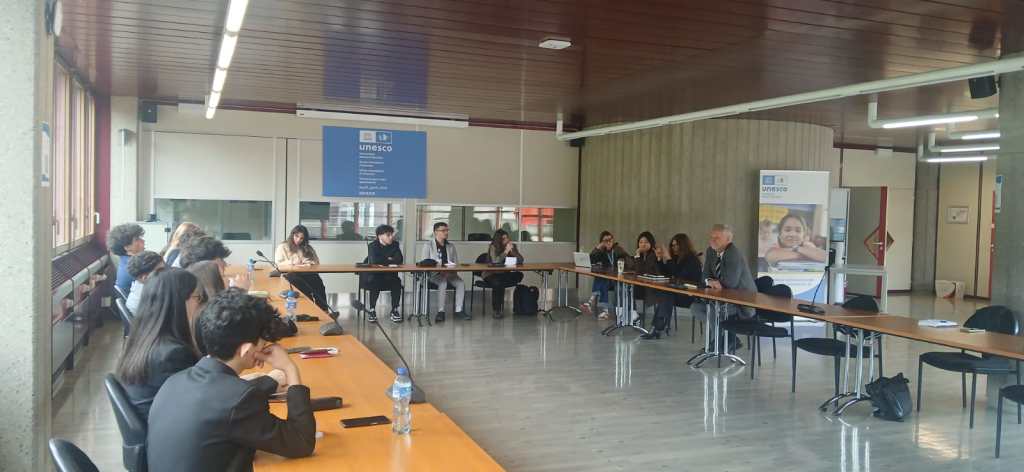
The delegation also had the opportunity to visit the UNESCO liaison office and International Bureau of Education (IBE) archives, and learn about the contributions of UNESCO and the IBE to peace through education worldwide.

Communications Officer Francesca Lualdi from the UNESCO Liaison Office said that she was “inspired by the vision these young individuals have for a world where ‘discrimination’ and ‘conflict’ give way to ‘equality’ and ‘peace,’ and by their unwavering hope to live in a better, more unified world”, and her colleague Sitong Pei added “these enthusiastic and talented students.showed me that with the dedication of the younger generation, peace is still within reach as long as we continue striving for it.”
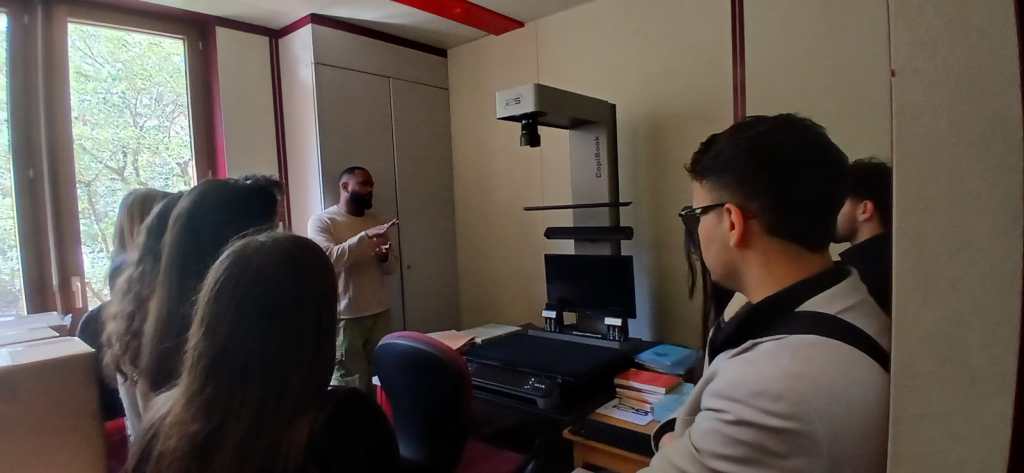
Henri Bourgoin, who gave the delegation a behind the scenes tour of the IBE archives, explained that “It’s always a beautiful and humbling experience for me to be around the rising generation and to see that the flame of love for knowledge and sharing is always present.”

Svein Oesttveit, Director of the UNESCO-International Bureau of Education, shared that “This visit profoundly inspired me, filling me with hope and ideas about how education can contribute to and even create peaceful conditions, building bridges between those who distrust each other while living in bubbles of isolation, ignorance, and prejudice. This initiative demonstrates that with clear guidance and well-defined pedagogical approaches, individuals can learn to see ‘the other’ in a more positive light. Through constructive communication based on empathy, curiosity, and a willingness to engage, it is indeed possible to transform the negative spiral of mistrust and sometimes hatred into a positive cycle of trust, friendship, and even love. It delivered a compelling message to the world we live in today: We can address some of the most entrenched conflicts peacefully, bringing sustainable hope to future generations.”.

Debate for Peace expresses its gratitude to the YMUNE team for all the hard work in running another incredible multicultural learning experience, to the diplomats and peacebuilders who met with the delegation, and to the members of this year’s delegation for the high-level performance throughout the trip.
Peace, Respect and Tolerance at the Forum of Young Religious Leaders in Astana Kazakhstan

By Debate for Peace founder Steven Aiello

Last week I was blessed to participate in the first Forum of Young Religious Leaders, held in Astana, Kazakhstan. The forum was part of the annual meeting of the Secretariat of the Congress of Leaders of World and Traditional Religions. Participants came from dozens of countries around the globe, representing a rich diversity of religions, and speaking different languages: from Chinese speaking Tao monks to Russian speaking priests to Kazakh speaking Bahai representatives. I met Shi’a leaders from Iran, and scholars of AlAzhar, the most prestigious Islamic university in the Sunni Muslim world. Each participant added a unique color to the rich tapestry of religious diversity at the conference, and I was truly honored to be the Jewish representative. 

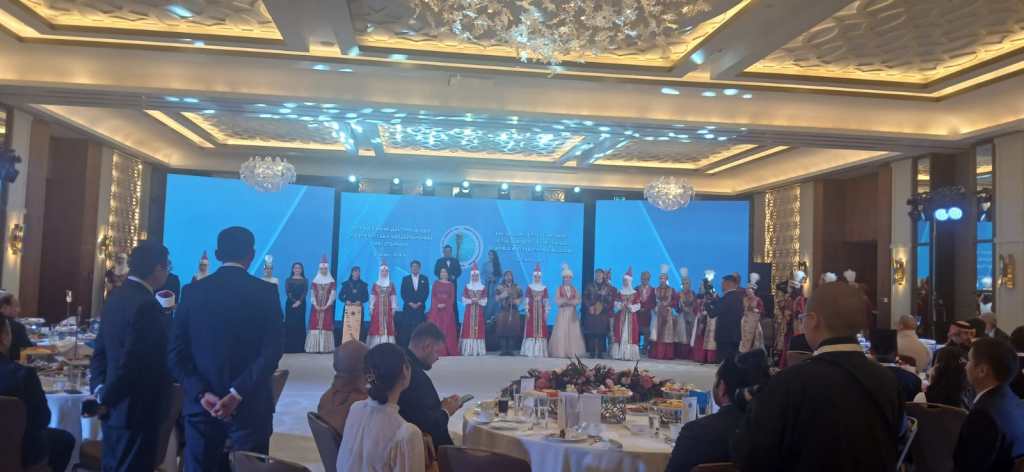
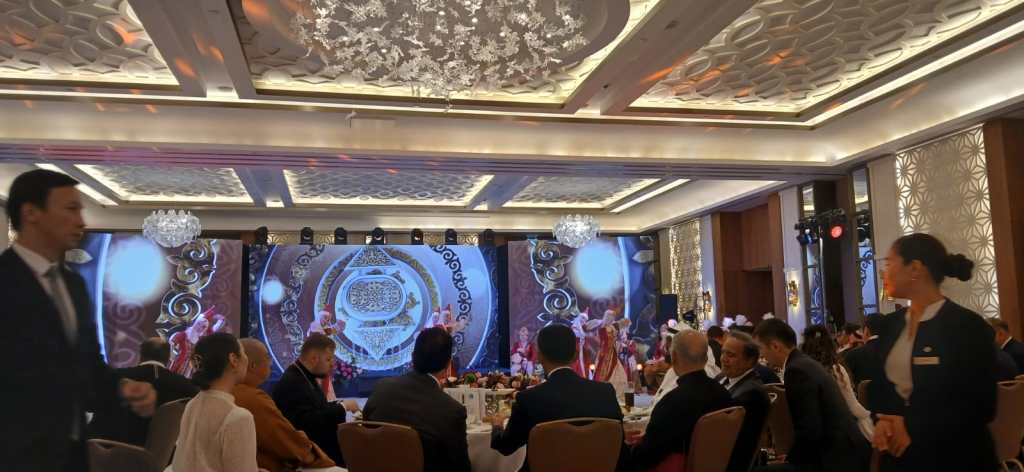
One of the highlights of the program was the opening reception, hosted by Maulen Ashimbayev, Head of the Secretariat of the Congress. In addition to a four course meal, well appreciated by the participants who came from all over the globe, we got to appreciate the rich cultural heritage of Kazakhstan, with an incredible music and dance program.

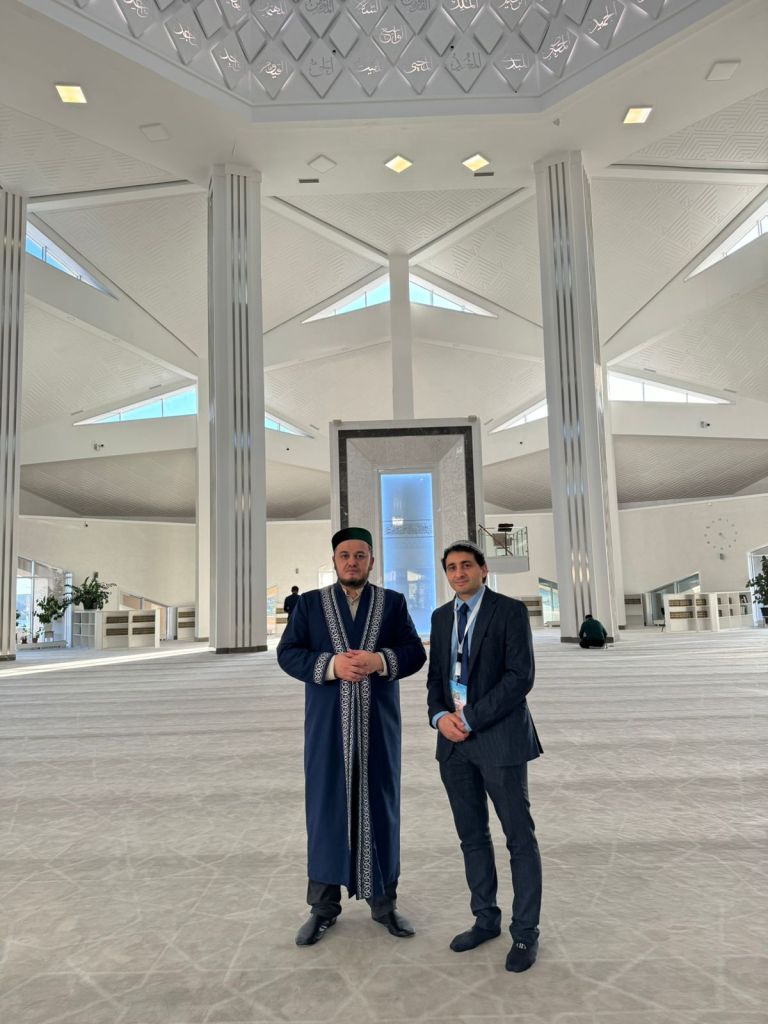
Later on we were also offered the chance to visit cultural and touristic sites around Astana–-I chose to visit the Yryskeldy Haji Mosque, which is one of only three mosques in the world that uses solar panels to produce more energy than it consumes. The head imam of the mosque came to greet me, and another imam showed me around the mosque and patiently answered questions about the mosque, and about Islam in Astana in general.

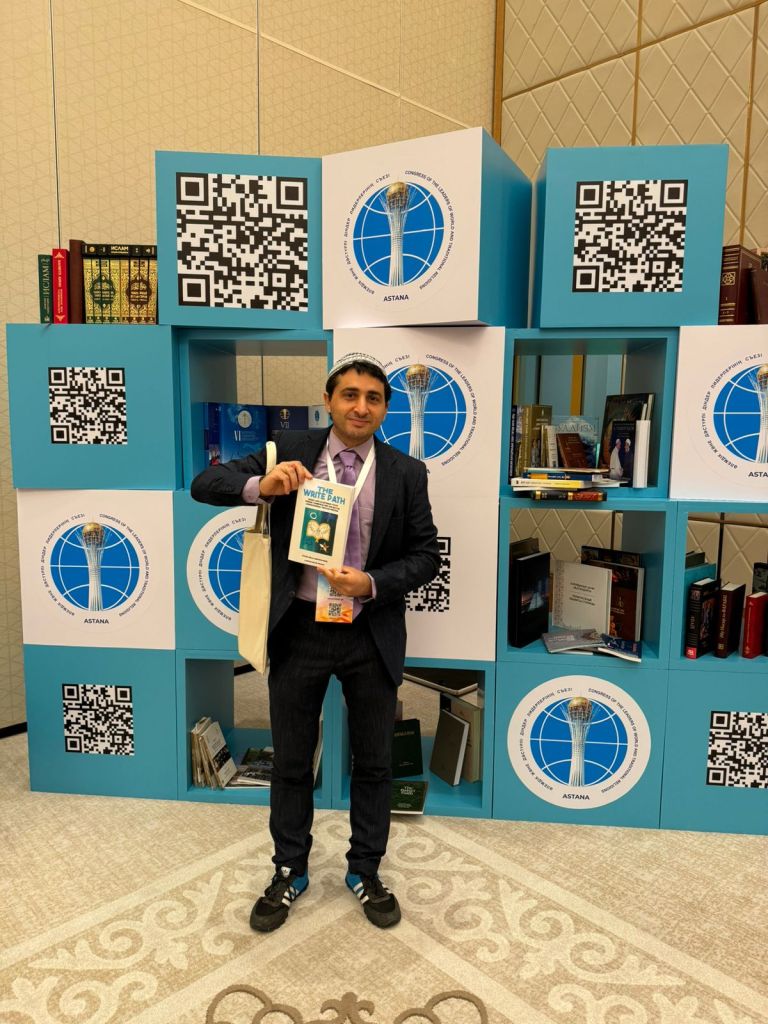
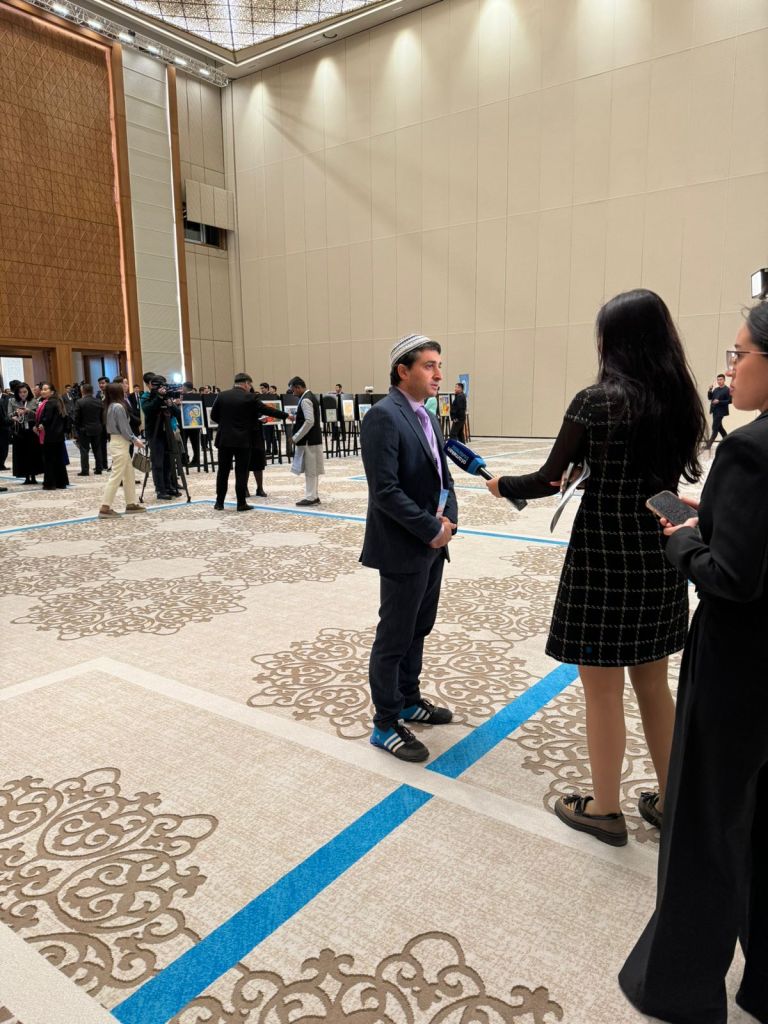
The forum itself began the next morning with an exhibition showcasing artwork by schoolchildren in Kazakhstan under the themes of Peace and Spirituality. In the book corner, dozens of books and monographs were on display. I was honored to present two books: The Lesson of the Olive Tree: contemporary thoughts on the Torah, which I published just a week earlier, and The Write Path, an anthology of writing by Israeli and Palestinian youth from four religious backgrounds that we published through the Writers Matter program. Before leaving the art and publication section, we were invited to draw or sign a giant peace banner.

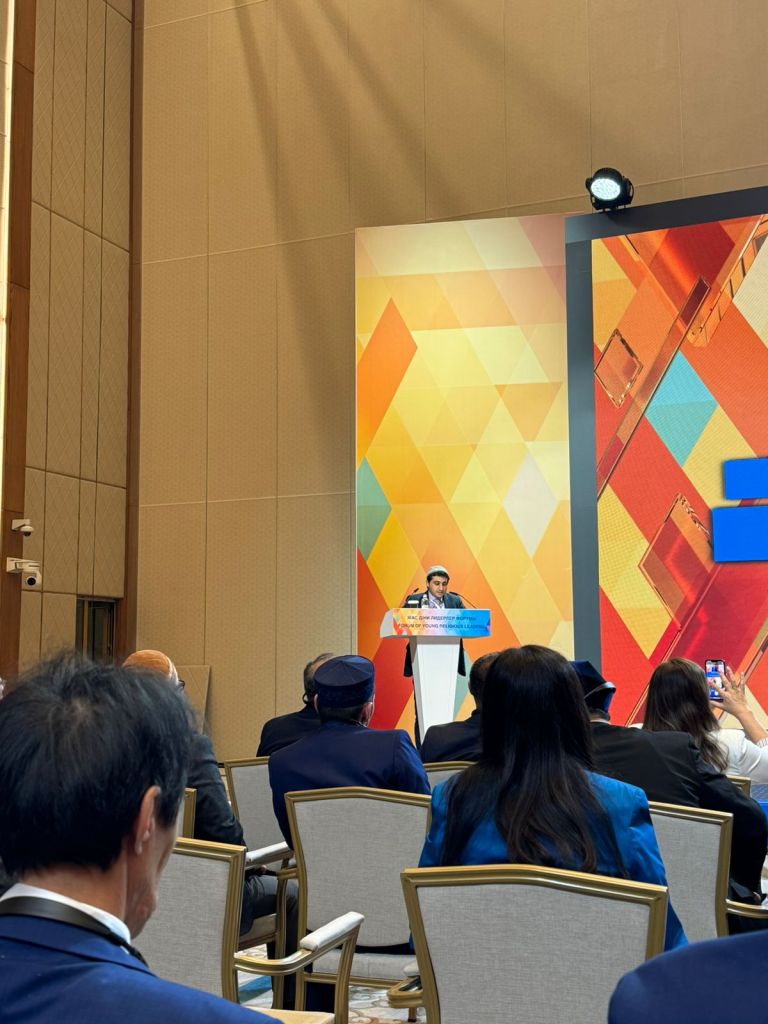
The dialogue portion of the forum began next. This inaugural forum focused on the approach of religion to contemporary issues, from sustainable development, to artificial intelligence and technology. We heard from a range of speakers, with the benefit of simultaneous translation to maximize inclusion. My own speech was on technology and religious values, and I focused on encouraging us to consider what our core religious values are, and how we can use technology to enrich our religious experiences and our interpersonal relationships. The conference was further enriched by the participation of dozens of volunteers and local participants, who asked questions during the panels. 

Beyond the immediate benefits of learning from so many incredible religious leaders, I left the conference feeling inspired and spiritually rejuvenated. Coming from a conflict zone and an ongoing war, during which religion has often been abused and exploited to promote hate, not love, to divide rather than unite, it was refreshing to be enveloped in a feeling of brotherhood from the moment I stepped foot in Kazakhstan. This was thanks to the thoughtful conference organizers, the wonderful participants, and atmosphere in Kazakhstan: a religious pluralism and tolerance that is sadly far too rare. Each conference participant’s needs had been carefully planned, which in my case meant an abundance of wrapped Kosher meals provided by the Chabad of Astana. It may sound like a fantasy for a religious Jew coming from Israel to break bread with Muslim leaders from Iran, Qatar, Egypt, UAE and other countries in the region, but thanks to the Forum of Young Religious Leaders, and Congress of Leaders of World and Traditional Religions, I got to experience it in person. It was heartening to experience that, and empowering to realize that there are many others who have dedicated their time and energy to turning the dream of religious tolerance and peace into a new global reality.