DfP Students from 10 cities Participate in YMUNE in Geneva, Visit UNESCO
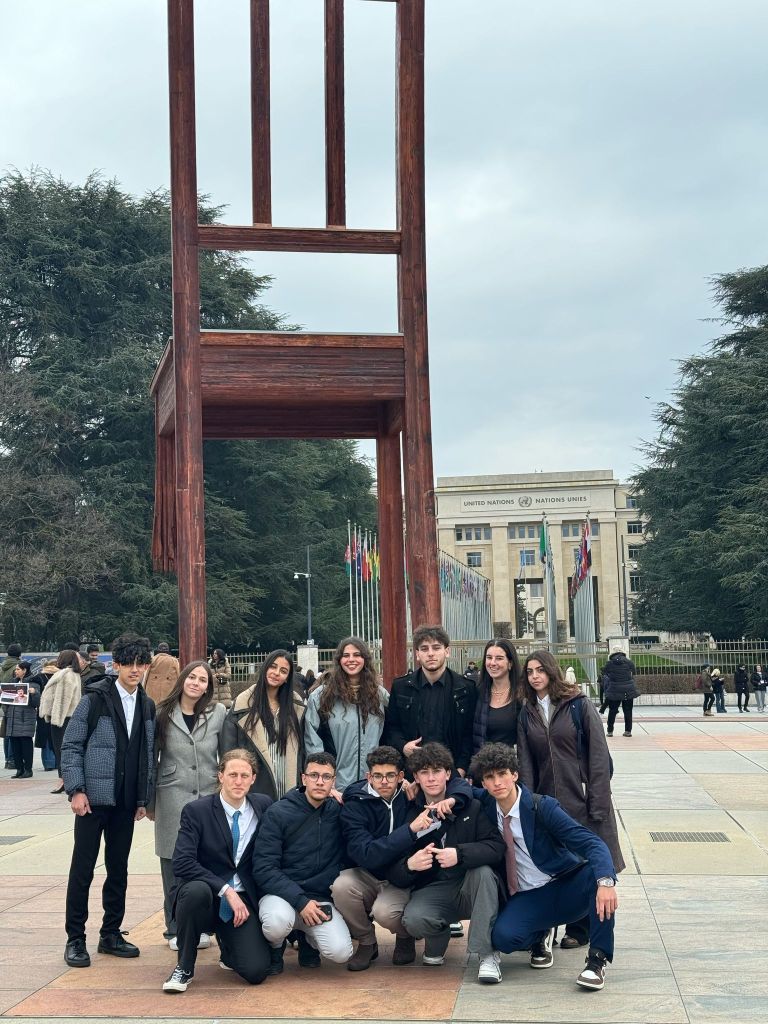
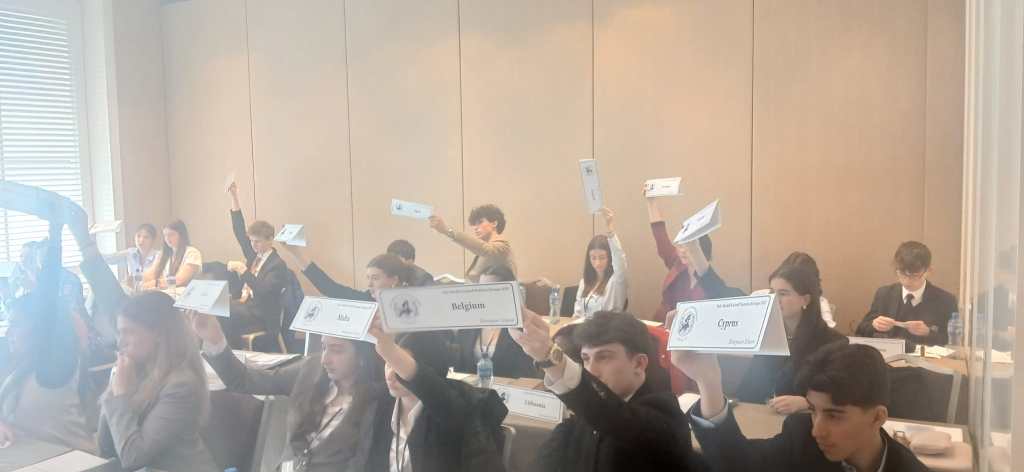
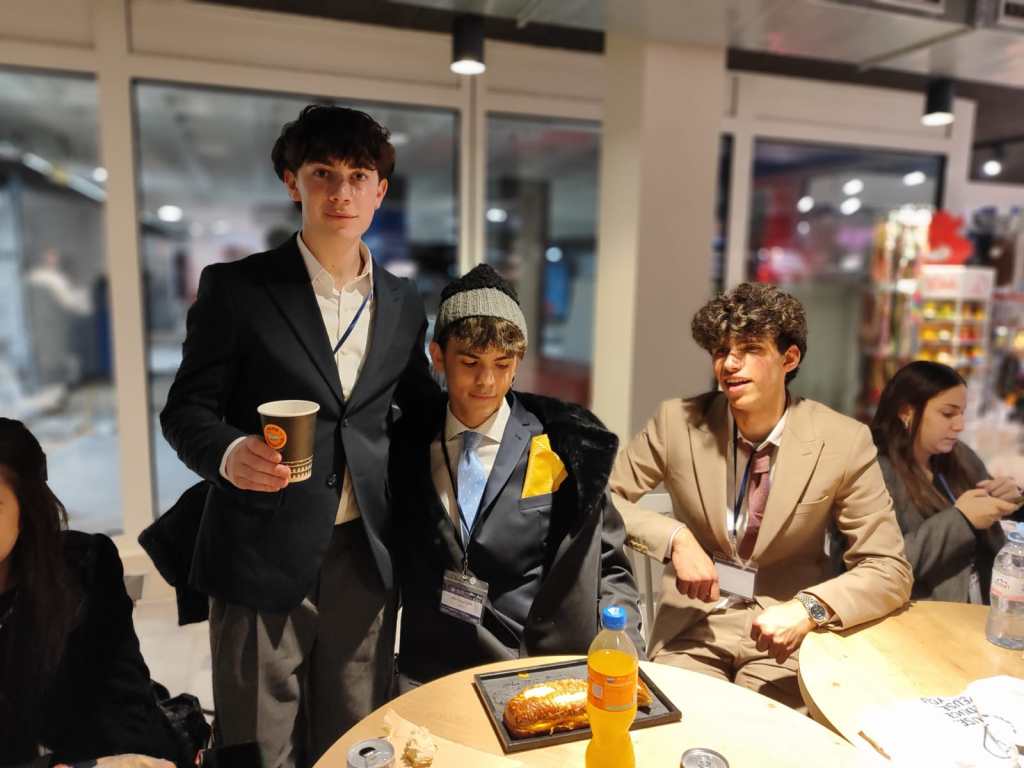
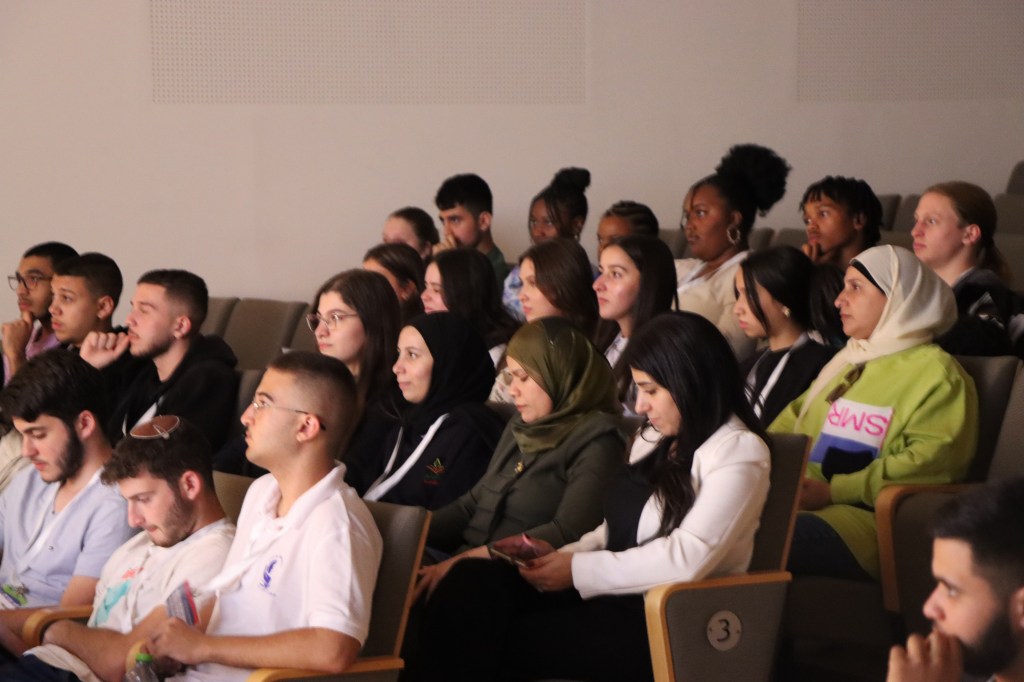
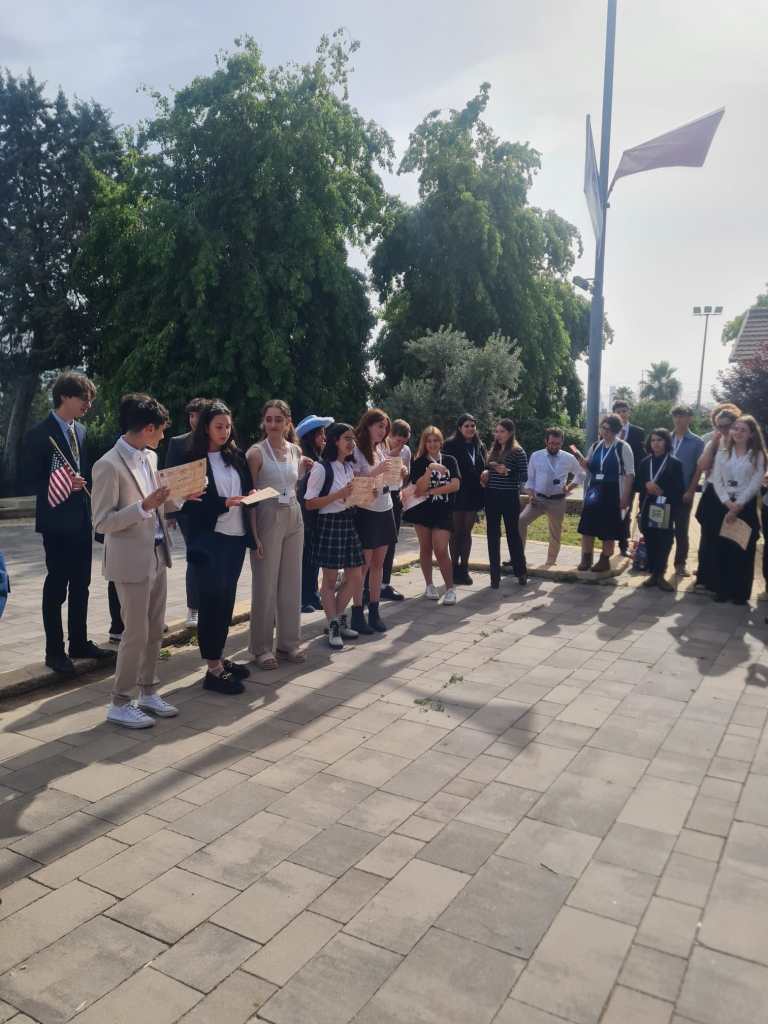
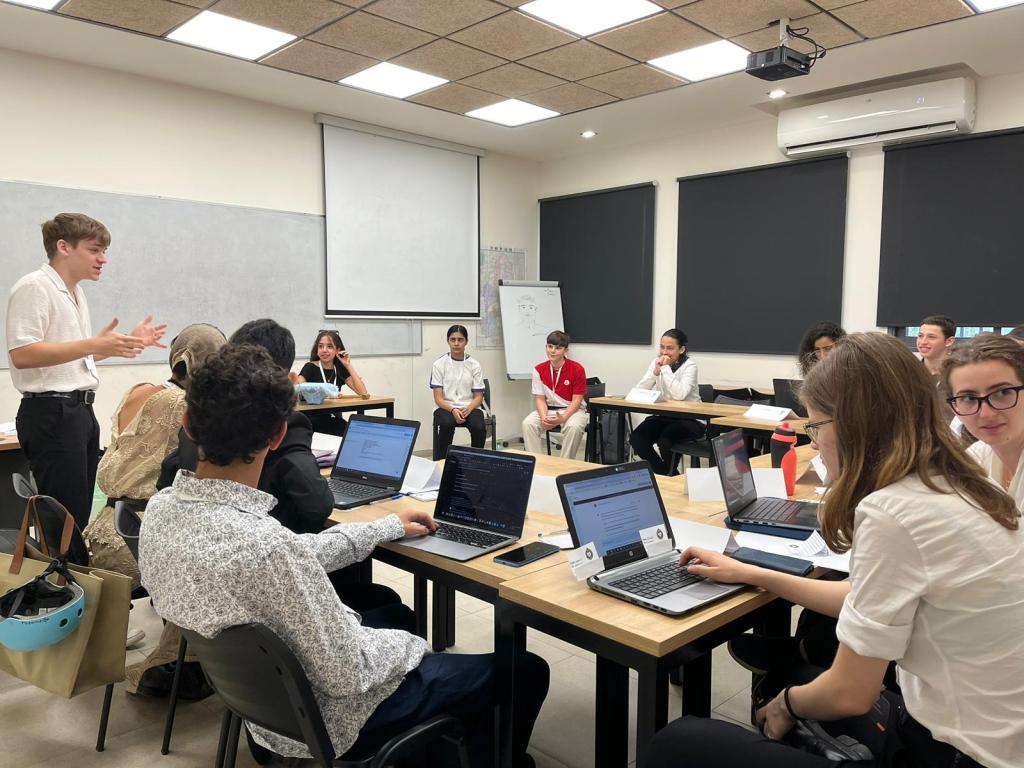
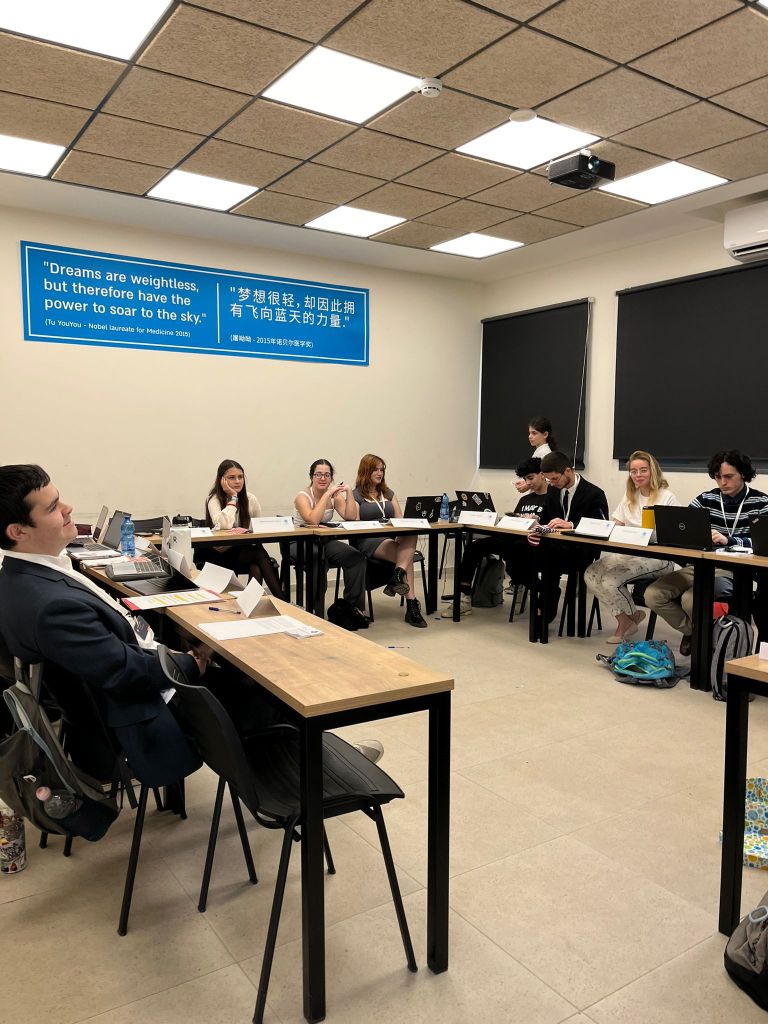
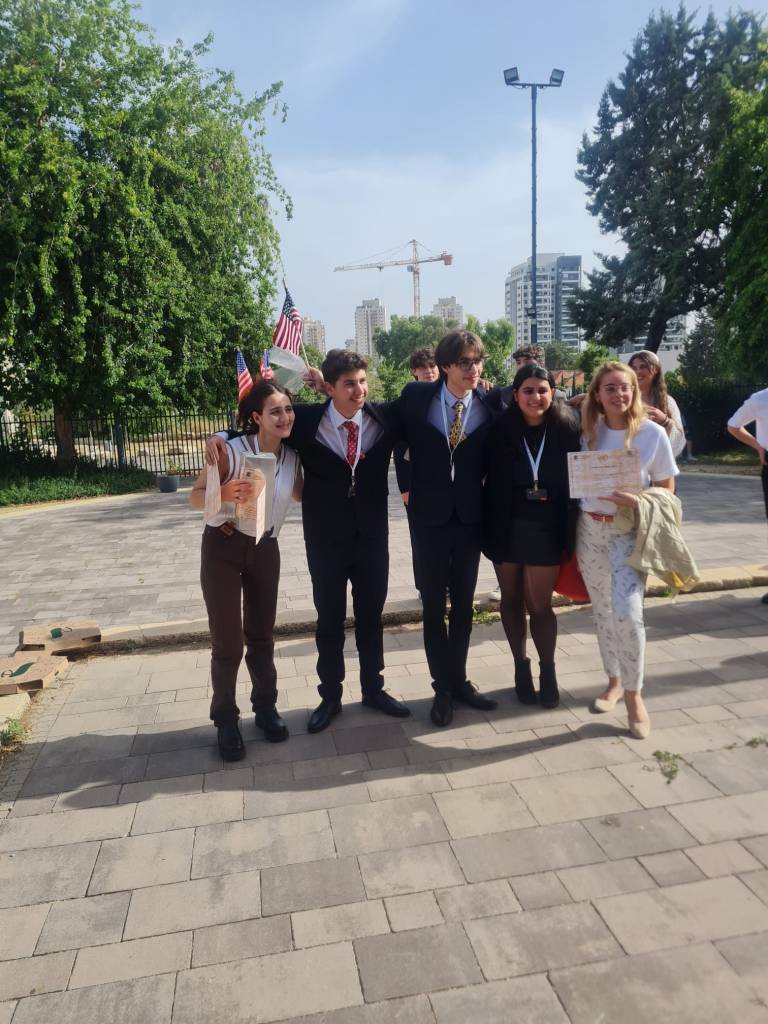
The 2025 Debate for Peace delegation to Yale MUN Europe brought thirteen students from ten cities around Israel, as well as Azerbaijan and Kosovo for three days of international level Model UN competition, as well as several meetings to learn more about peacebuilding, education and diplomacy. This year’s YMUNE conference, held in Geneva, Switzerland, one of the centers of global diplomacy, featured ten committees discussing topics ranging from autonomous weapons systems, to space colonization, with students from seventeen countries and four continents collaborating to cocreate innovative responses to pressing global issues.
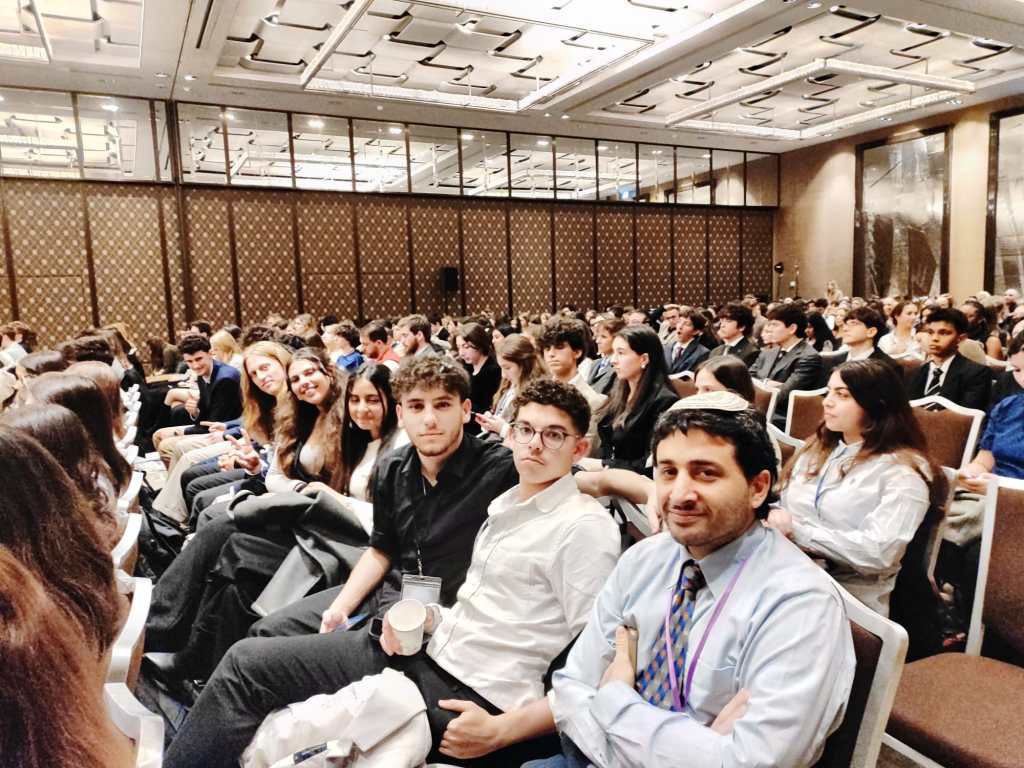
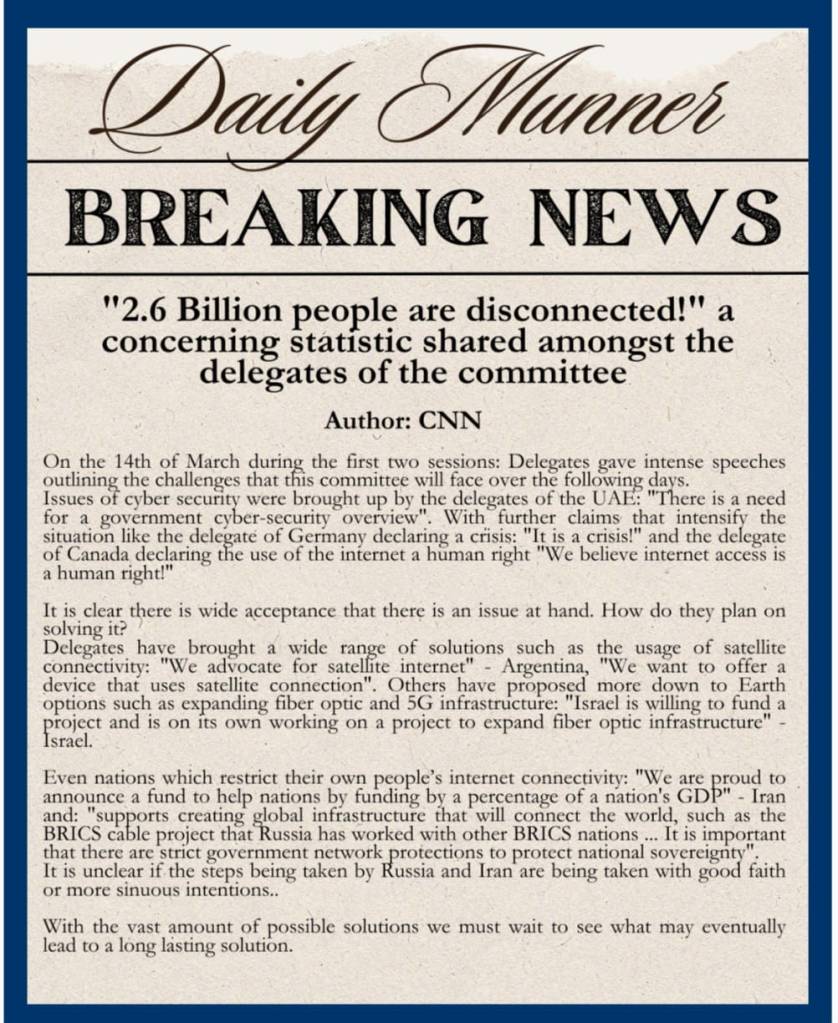
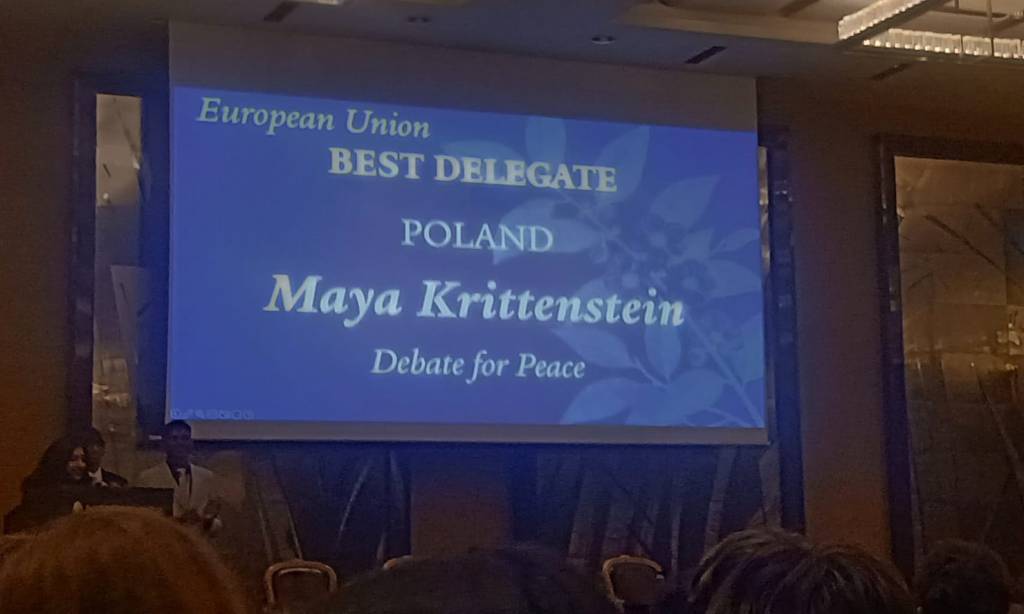
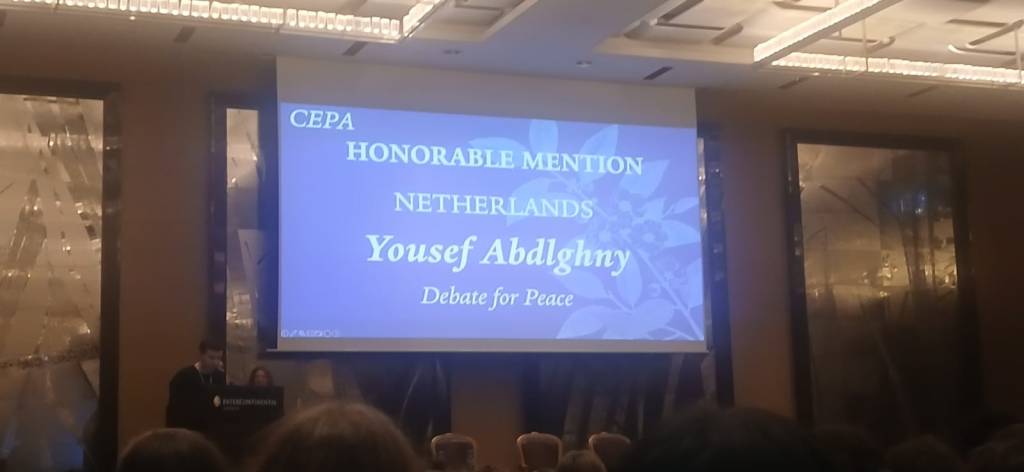
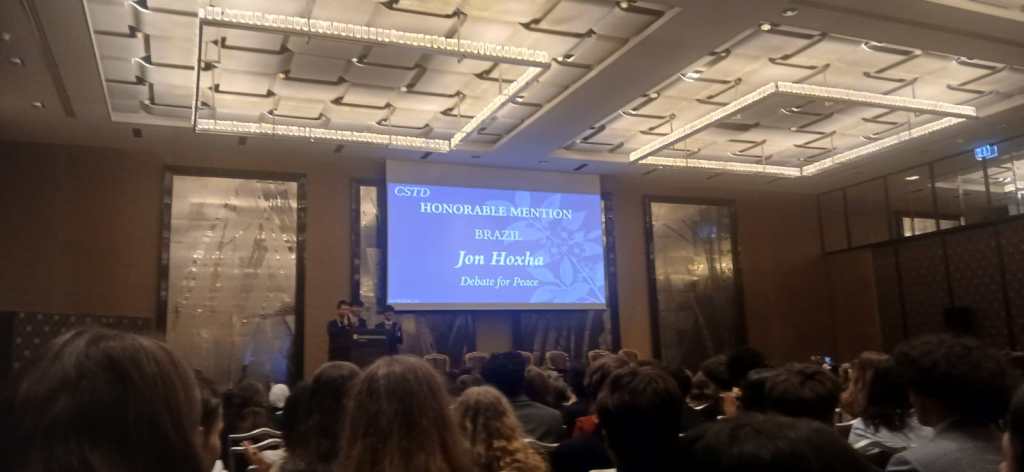
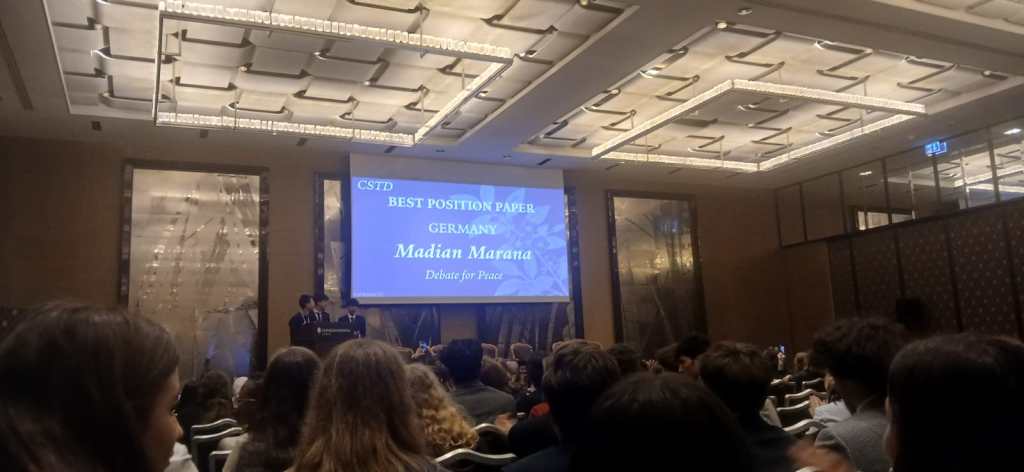
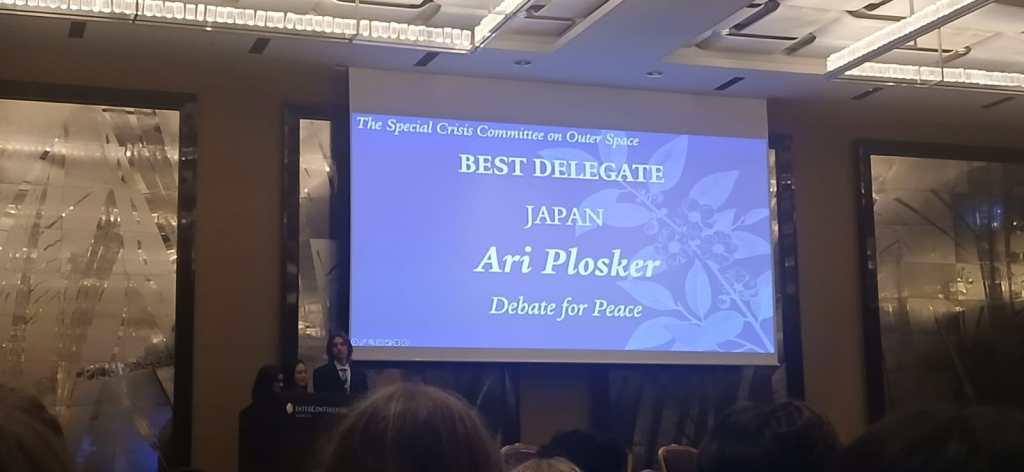
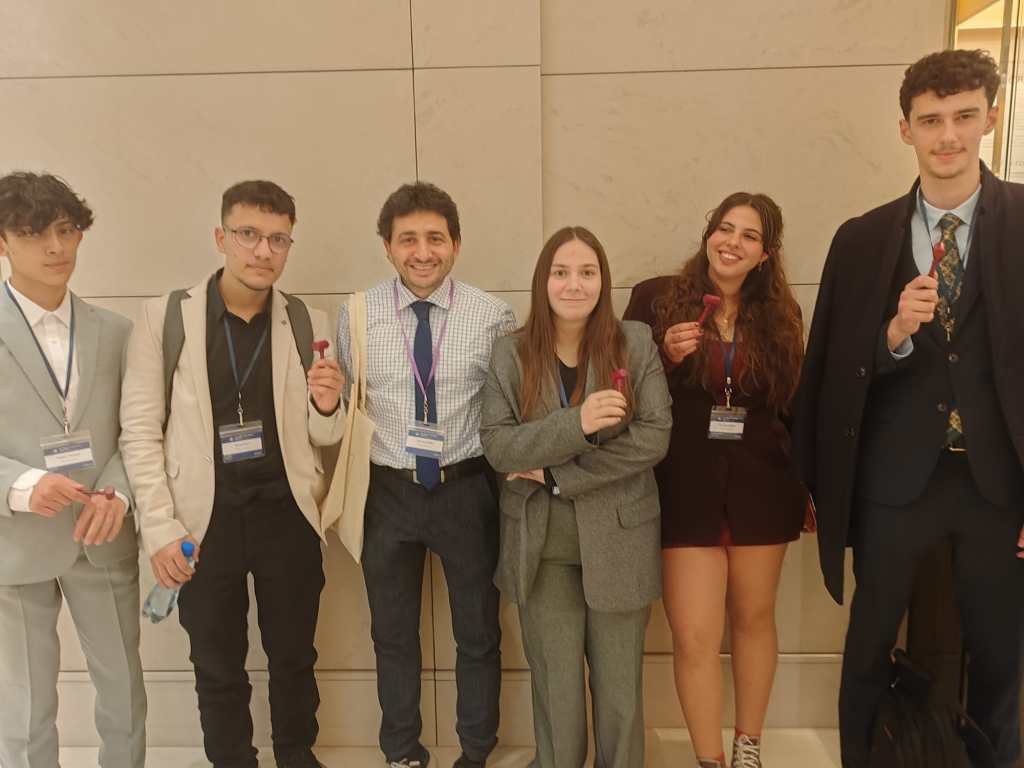
The Debate for Peace group included students aged 14-18 from Hand in Hand (Jerusalem), Ort Hilmie Shafie (Akko), Studio Ankori (Jaffa), Atid Raziel (Herzliya), Ironi Gimel (Modi’in), Younited (Givat Haviva), Yachad Modi’in, Hadassim (Even Yehuda), Ibn Sina high school, “Thiya” Moscow, and QSI International School of Kosovo (Pristina), from three religious backgrounds, and speaking more than half a dozen languages. Special recognition goes to Jon Hoxha, Yousef Abd El Ghany, Maya Krittenstein, Ari Plosker and Madian Marana for winning awards during the conference, marking one of the most decorated Debate for Peace MUN delegations.
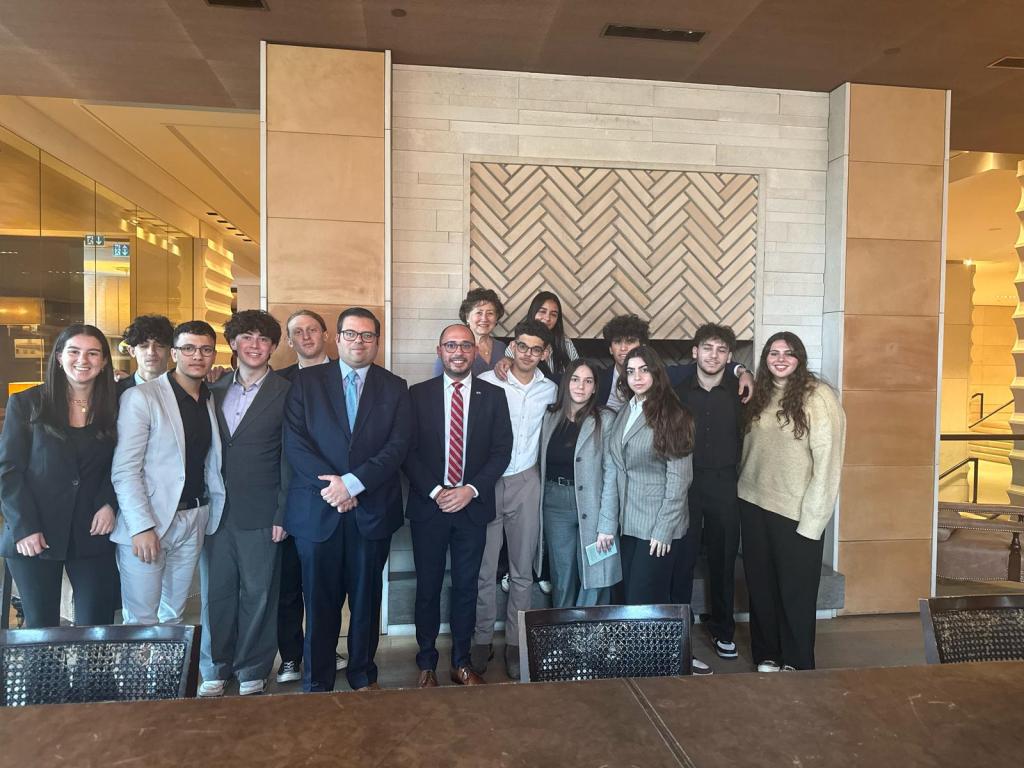
In addition to participating in the conference, the delegation held several meetings, including talking to Mehra Rimer from B8 of Hope, a Swiss non-profit supporting Israeli-Palestinian peace programs, and Ambassador Randolph Debattista, Permanent Representative, and Counsellor Bernard Mifsud, from the Mission of Malta to the UN and International Organizations in Geneva. 
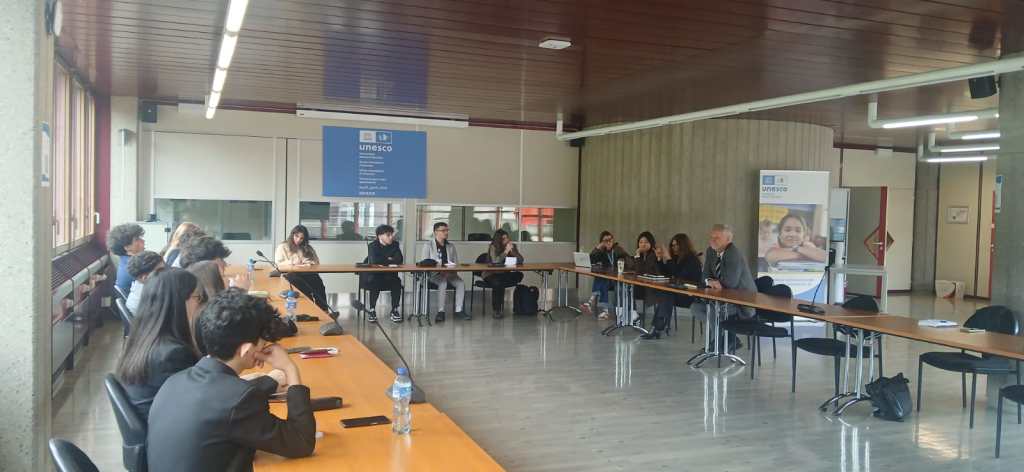
The delegation also had the opportunity to visit the UNESCO liaison office and International Bureau of Education (IBE) archives, and learn about the contributions of UNESCO and the IBE to peace through education worldwide.

Communications Officer Francesca Lualdi from the UNESCO Liaison Office said that she was “inspired by the vision these young individuals have for a world where ‘discrimination’ and ‘conflict’ give way to ‘equality’ and ‘peace,’ and by their unwavering hope to live in a better, more unified world”, and her colleague Sitong Pei added “these enthusiastic and talented students.showed me that with the dedication of the younger generation, peace is still within reach as long as we continue striving for it.”
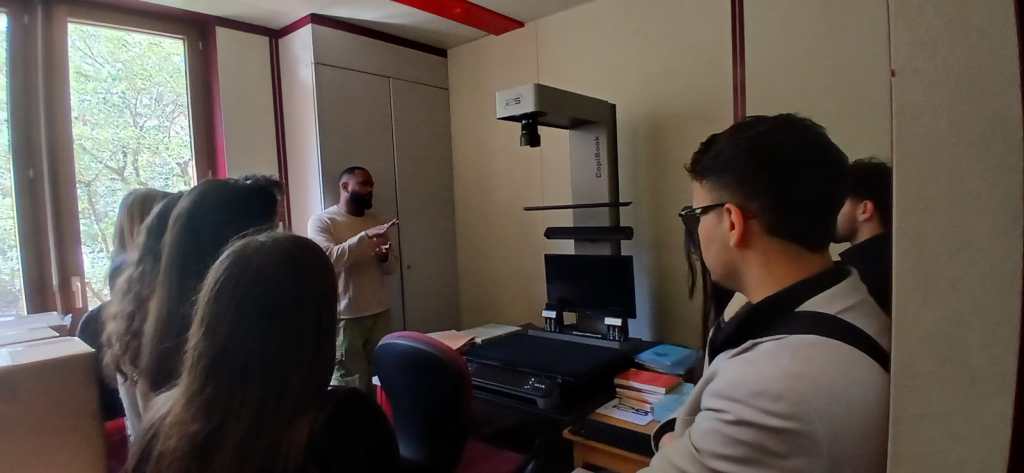
Henri Bourgoin, who gave the delegation a behind the scenes tour of the IBE archives, explained that “It’s always a beautiful and humbling experience for me to be around the rising generation and to see that the flame of love for knowledge and sharing is always present.”

Svein Oesttveit, Director of the UNESCO-International Bureau of Education, shared that “This visit profoundly inspired me, filling me with hope and ideas about how education can contribute to and even create peaceful conditions, building bridges between those who distrust each other while living in bubbles of isolation, ignorance, and prejudice. This initiative demonstrates that with clear guidance and well-defined pedagogical approaches, individuals can learn to see ‘the other’ in a more positive light. Through constructive communication based on empathy, curiosity, and a willingness to engage, it is indeed possible to transform the negative spiral of mistrust and sometimes hatred into a positive cycle of trust, friendship, and even love. It delivered a compelling message to the world we live in today: We can address some of the most entrenched conflicts peacefully, bringing sustainable hope to future generations.”.

Debate for Peace expresses its gratitude to the YMUNE team for all the hard work in running another incredible multicultural learning experience, to the diplomats and peacebuilders who met with the delegation, and to the members of this year’s delegation for the high-level performance throughout the trip.
Youth Working Group on Social Cohesion (YWGSC) founded in Petah Tiqva on October 28

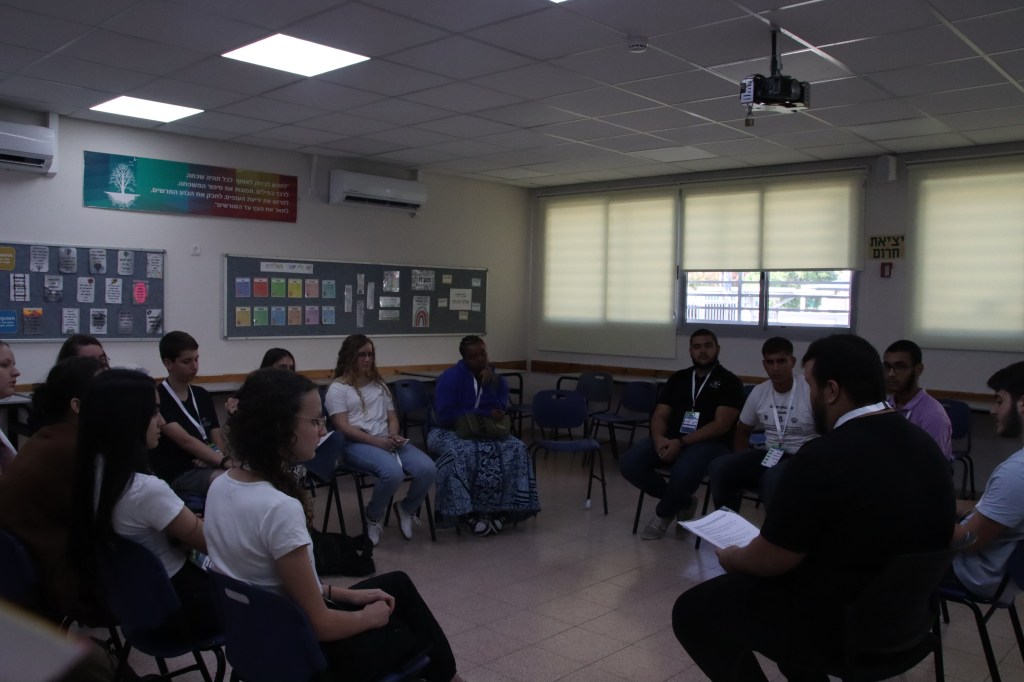
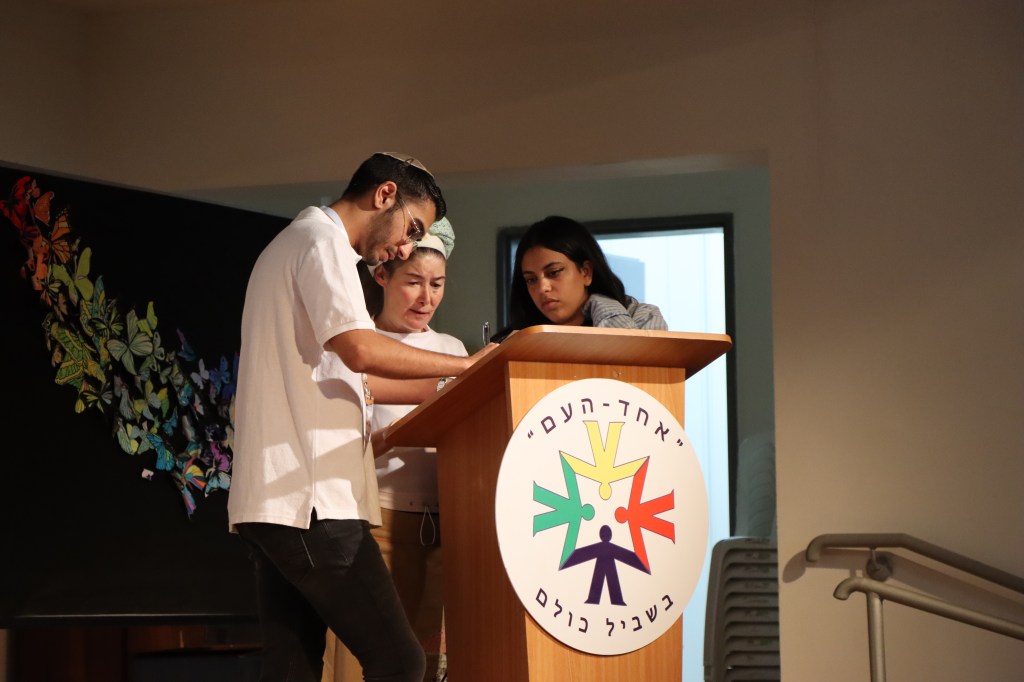
The inaugural meeting of the Youth Working Group on Social Cohesion (YWGSC) was held on Monday October 28 in Petah Tiqva. This unique event, which coincided with a Unity conference organized by the Chen Young Ambassadors School, was hosted at the Ahad Ha’am Junior High school in Petah Tiqva. Students came from a range of communities around Israel, including Ashkelon, Baqa al-Gharabiya, Deir Al-Assad, Dimona, Fureidis, Herzliya, Jerusalem, Karmiel, Modi’in, Petah Tiqva, Rahat, Sakhnin, Shefa-amr, Tzur Hadassah, Shoham, and Tel Aviv, to share perspectives, and brainstorm practical steps to improve relations between different communities around Israel from a youth perspective.

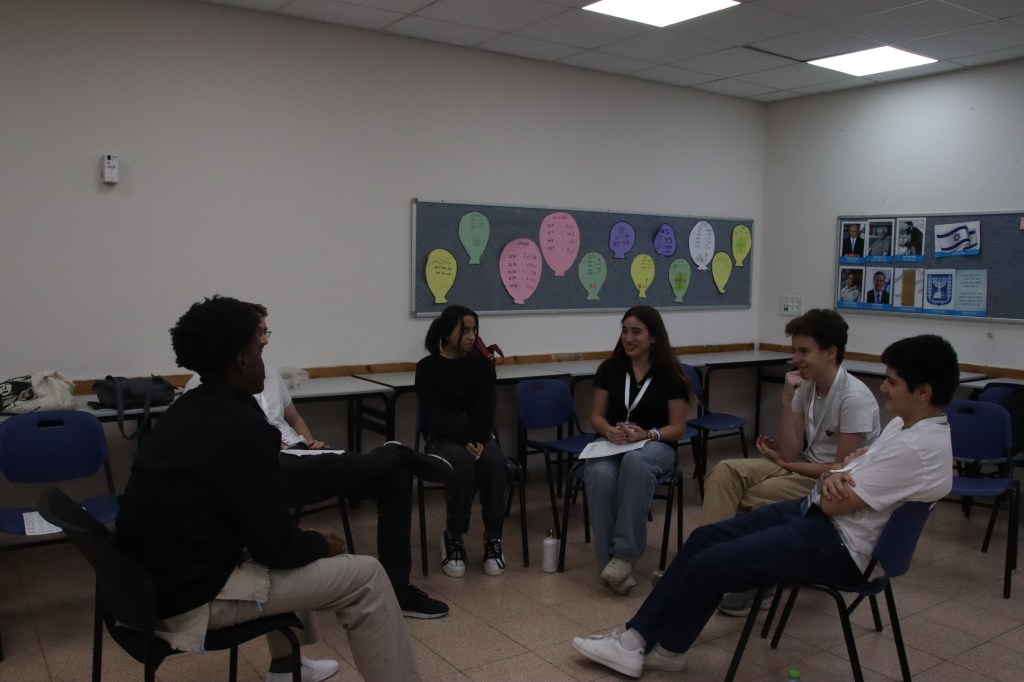
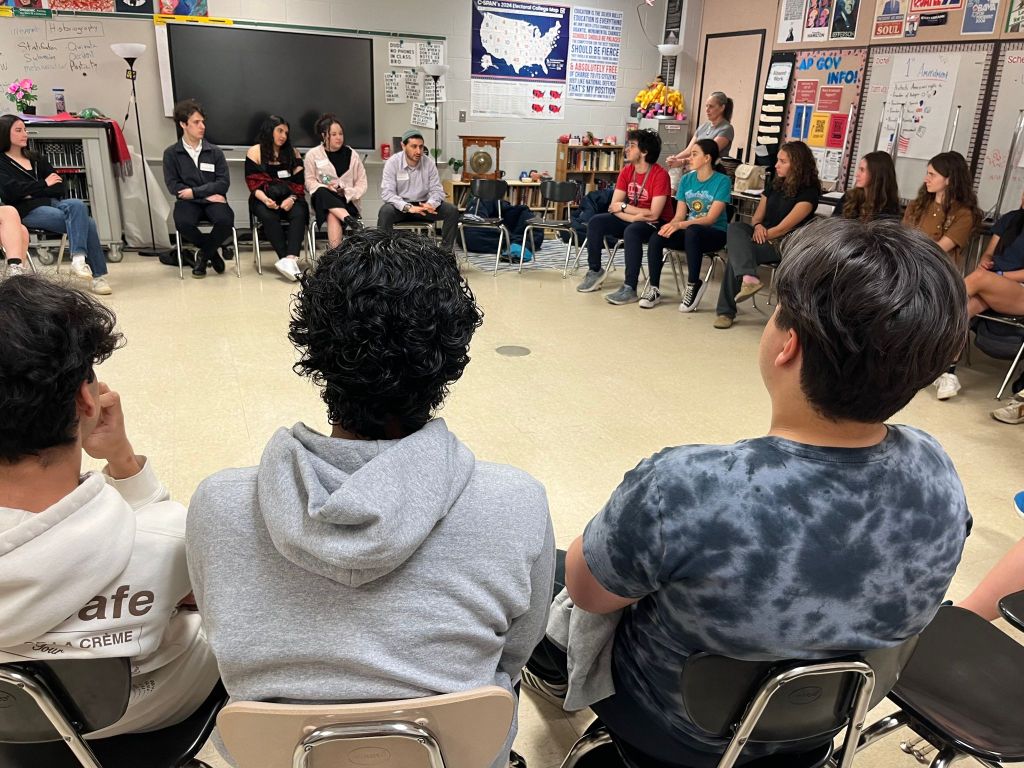
The students, including delegations from the Darca Brotherhood school (Dimona), Amal Rahat, Ibn al Haithem school (Baqa al-Gharabiya), and the Shefa-amr Comprehensive C School, as well as individual delegates from several dozen schools around the country, worked in five breakout rooms, which focused on Identity, Stereotypes, Religion, Society, and Social Media respectively. The topics were chosen by a dedicated team of Arab-Jewish teen leaders, who also facilitated the discussions using three languages (Arabic, English and Hebrew). At the end of the meeting, each group, as well as a sixth group of educators, produced their list of recommendations for improving social cohesion, which will be published in a forthcoming report and distributed digitally. The Working Group is now transitioning to planning the second meeting, while also disseminating the report of the inaugural session.

The initiative to advance unity and social cohesion by empowering youth voices, and addressing topics like diverse identities and religions, stereotypes, positive social media use, and an inclusive society, took great courage, particularly in the midst of an ongoing armed conflict. Debate for Peace congratulates each student for their decision to join, as well as the educators who supported their participation. 

Abd alRahman Masri, a student at Ibn Al-Haithem high school,  explained that he had learned about Jewish culture and how Arabs are perceived. He noted the importance of meeting face to face and not relying on media representations of one another. Naomi Fellert, from Ahad Ha’am Junior High School, said that “In the conference, I learned so many new things and met so many people from different backgrounds”. 

Madian Marana, from the Younited school, facilitated the Stereotypes group. She shared that “Throughout the discussion, I would look at my co-facilitator and smile; we both could feel the rise of engagement, and the crossing of language, social, and emotional barriers. I felt that we succeeded as facilitators when students shared that the discussion had challenged the values their family and community bubbles had imposed.”

Yasmine Yassin, a teacher from Shefa-amr Comprehensive School also noted that: “The program was a rich experience for my students. They really enjoyed the discussions. One student said it was surprising to her that people were good listeners and tolerant and respectful toward her opinions.” 

Partners and sponsors included the Darca Brotherhood school (Dimona), Amal Rahat, Ibn al Haithem school (Baqa al-Gharabiya), Shefa-amr Comprehensive C School, Ahad Ha’am Junior High School, Chen Young Ambassadors school, the regional student parliament of Tel Aviv region, the young leadership team of Petah Tiqva, the Youth and Education Office for Tel Aviv region, and the office for volunteering of the higher education department, Petah Tiqva. 

Photo credit: Kai Dekel, Shalev Khaikin, Rayan Kaise Badarne.

To get more information, or join the Working Group, please contact Steven Aiello: debateforpeacemun@gmail.com.

TIQVAMUN IX at China International University: 150 students debate human rights, sustainable development, and war

TIQVAMUN, Israel’s second oldest MUN conference, was hosted by the Chen Young Ambassadors School at Thursday, May 23. This year the conference brought together 150 students from over a dozen schools and cities for a full day of Model UN at the UIBE-ISRAEL China International University in Petah Tiqva. The students competed in six committees ranging from beginners (Human Rights Council; UN Environment Programme) to intermediate (UN Development Programme) to advanced (African Union, and 9/11 two-cabinet crisis). 

After a full day of the conference, the awards were announced: In HRC, Maya Kessel (Hadassim), Shachar Cohen (Hadassim) and Maya Sinclair (Yachad) were Outstanding Delegates, while Guy Regev (Atid Lod) was Best Delegate. In UNEP, Yuval Prusak (Misgav), Hili Michaeli (Atid Lod), and Yarden Indursky (Meitarim Ra’anana) were Outstanding Delegate, while Omer Attia (Hadassim) was Best Delegate. In UNDP, Amir Liba (Shoham), Hadar Rosenfeld (Atid Lod), and Naya Sagiv (Atid Lod) were Outstanding Delegate, and Rotem Weiss (Branco Weiss Rabin Keshet Mazkeret Batya) was the Best Delegate.

In the advanced committees, in the African Union Tzlil Israeli (Atid Lod) and Gilad Revel (Branco Weiss Mazkeret Batya) were Outstanding Delegates, and Alon Rozenson (Shoham high school) Best Delegate. In the US Cabinet, Roy Bernstein (Atid Lod) and Nika Berditchevsky (Debate for Peace) were Outstanding Delegates, and Alma Ben Avraham (Shoham) was Best Delegate. In the Taliban-Al Qaeda cabinet, Rotem Tsadok (Branco Weiss) and Ziv Maman (Shoham) were Outstanding Delegate, and Ward Uweis (Debate for Peace) was Best Delegate.

Director of the Young Ambassadors School, Sharon Seiden Volcani, congratulated the students who organized and participated in the conference, and said that the conference instilled values of democracy, diplomacy, problem-solving, debate, civil discourse, and negotiation skills to the participants. TIQVAMUN IX’s Secretariat included Maya Avraham (Secretary General), Yaniv Becker (USG), Eve Burde, Amichai Kremer, Shani Eigerman, and Ella Fishler. Thanks to the US Embassy for its support of the conference, and of MUN in Israel.

Delegation to Philadelphia and DC with Writers Matter and Heart of a Nation Brings Message of Hope and Empathy

In the immediate aftermath of October 7th, Debate for Peace partnered with Professor Bob Vogel to run a 9 week writing course to help students and teachers process the emotions that they were facing. The writing, which covered themes ranging from fear and pain caused by the war, identity, questions about the future, and more, turned out to be very powerful and moving. 

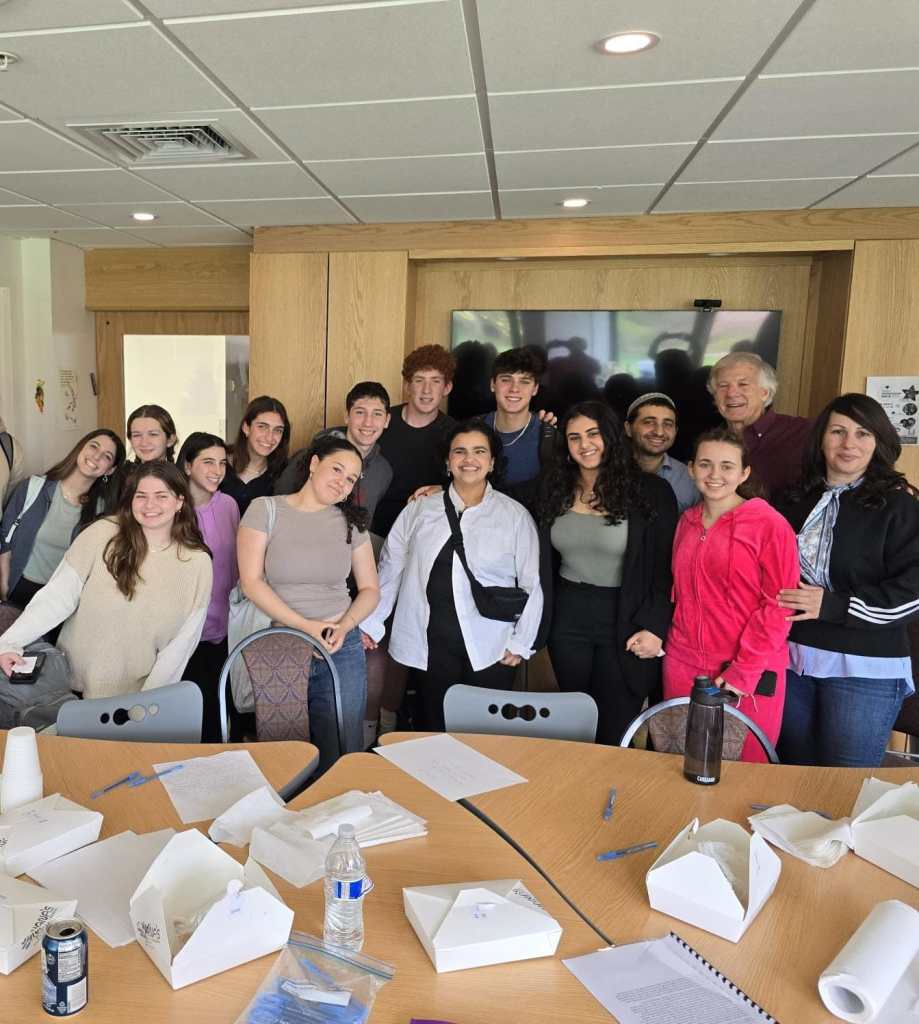
Over the last week, with the help of Professor Vogel’s Writers Matter, and Jonathan Kessler’s Heart of A Nation, a delegation of six students and two teachers traveled to the US to read their work and speak about their experiences. These meetings highlighted the difficulties that Jewish Israeli and Palestinian teenagers have faced in the last six months, as well as their dedication to forge a new, peaceful future together.

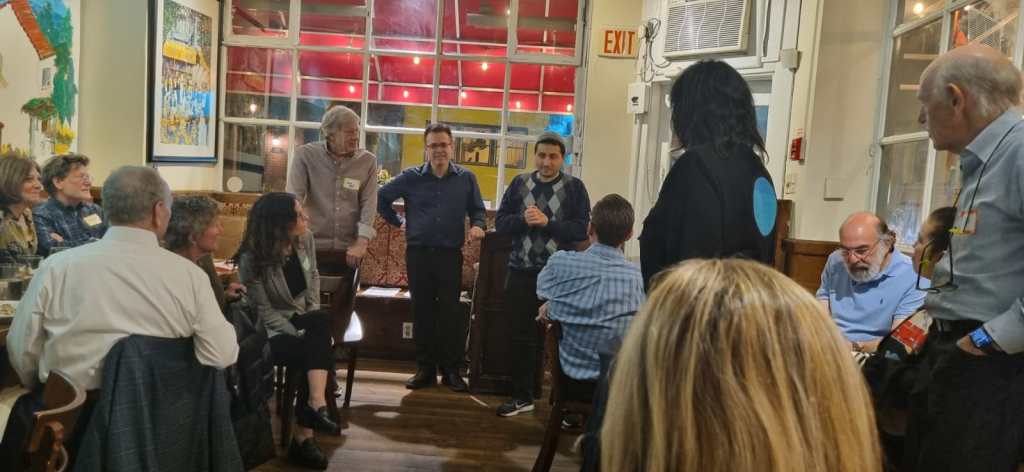
The group met with public and private middle school and high school audiences, visited four college campuses, several synagogues and a church, met young professional groups, and spoke at the World Affairs Council in Philadelphia and the Israel Policy Forum in DC. In Philadelphia they also had a chance to interact with local participants of the Writers Matter program, and to lead a peer writing session. 

In total, the delegation met with about 500 people during the course of the delegation. The reactions were overwhelmingly positive, with many audience members and participants mentioning how inspired they felt, encouraging the students to keep writing together, and even asking how they could get involved.

Debate for Peace is grateful to the US Embassy for its support, to Professor Bob Vogel for his selfless dedication to giving students a voice, to the generous donors who enabled the delegation, to Mr. Jonathan Kessler and Heart of a Nation for hosting and facilitating the delegation’s visit to DC, and to all of the groups who invited the delegation to present.