This piece, part of the Writers Matter program, comes from Melo in South Africa, and is part of the “This Scar is from” collection:
This scar is from the summer I learned that courage doesn’t always look like bravery—it sometimes looks like falling hard, crying loud, and standing up anyway.
I was nine years old, knees scraped more often than not, running wild through the school play ground afterschool with a confidence only kids know. One afternoon, I dared myself to jump from the top of the old school slide while everyone else was just sliding normally down the hot slide. It was those tall, metal slide that became boiling hot in the afternoon and burned your legs in the sun and groaned under your weight. Obviously it was dumb to jump down. But in that moment, I wasn’t trying to be careful. I wanted to land without suffering on the hot slide or climb down like some 8 year old coward. Everyone else was playing on the ground, leaving the slide. All the teachers on watch didn’t pay attention to the slide because barely anyone was on it. So as soon as I saw a clear landing point, I took a deep breath and jumped.
Unfortunately, as my feet were off the surface my shoelaces were actually lose and got caught on the edge– stuck. So I didn’t soar—I slammed hard on the floor, unable to get my feet on the ground on time. My right knee hit the gravel hard, tearing open skin on impact. Blood poured, and so did the tears. I remember a few kids surrounding me, the embarrassment, the sting, the smell of rust and heat, the way the world narrowed to that single point of pain. I remember one of the teachers running across the grass, her face a mixture of fear and frustration.
They cleaned the wound, stitched it at the clinic, and told me not to pick at the scab. I did, of course. More than once. The scar stayed. At first, I hated it. It was ugly. It made shorts embarrassing. It reminded me that I didn’t fly—I fell. But as the years went on, I came to see it differently. That scar wasn’t just a mark from a clumsy jump. It was proof that I tried something bold. That I failed quite miserably. That I got back up.
Looking at it now, I don’t remember the pain as clearly. But I remember the lesson: sometimes the only way to learn your limits is to push them. Sometimes courage means being reckless enough to leap—and strong enough to heal when you land hard. This scar, right there on my knee, tells that story. And I carry it proudly.
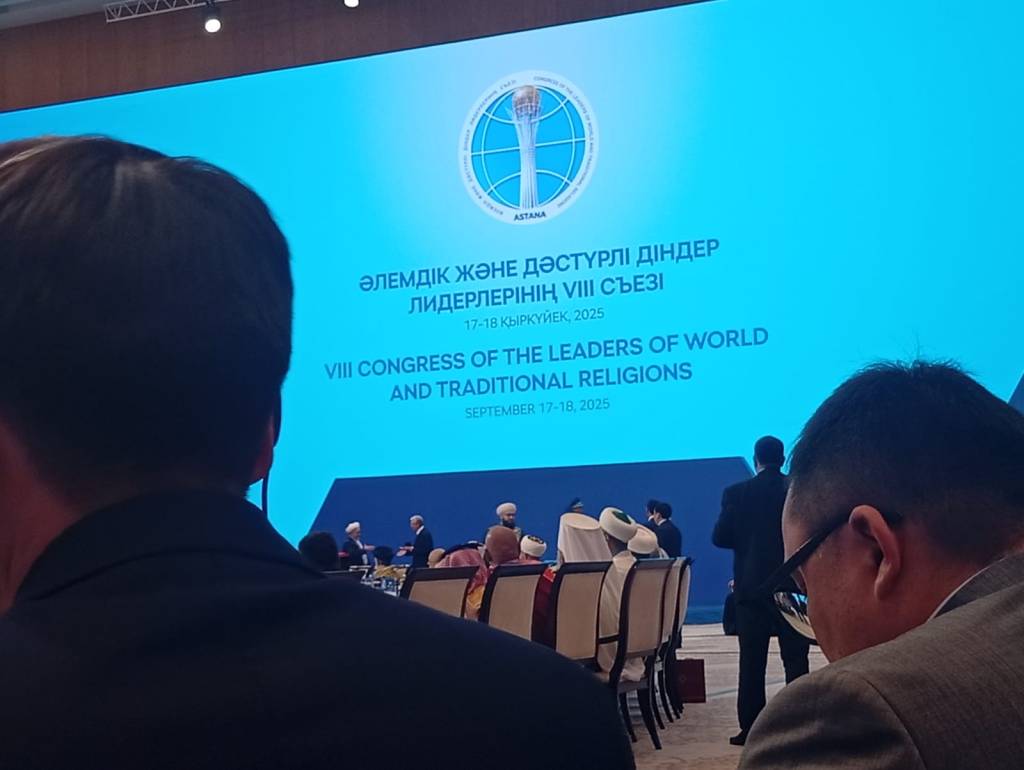
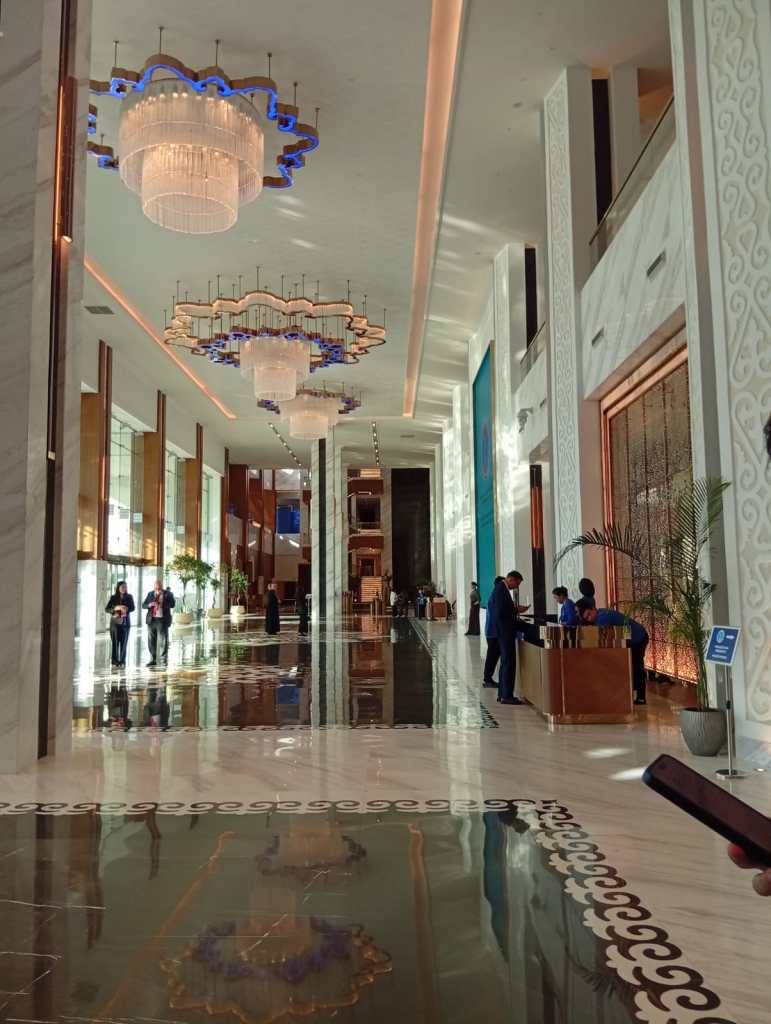
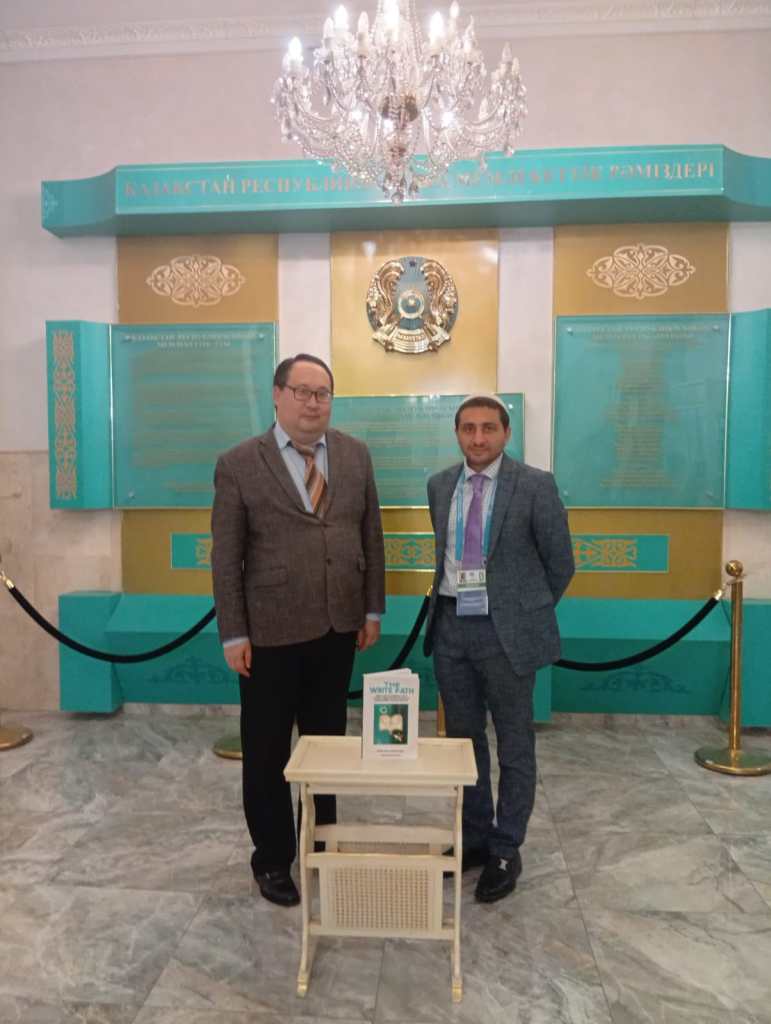
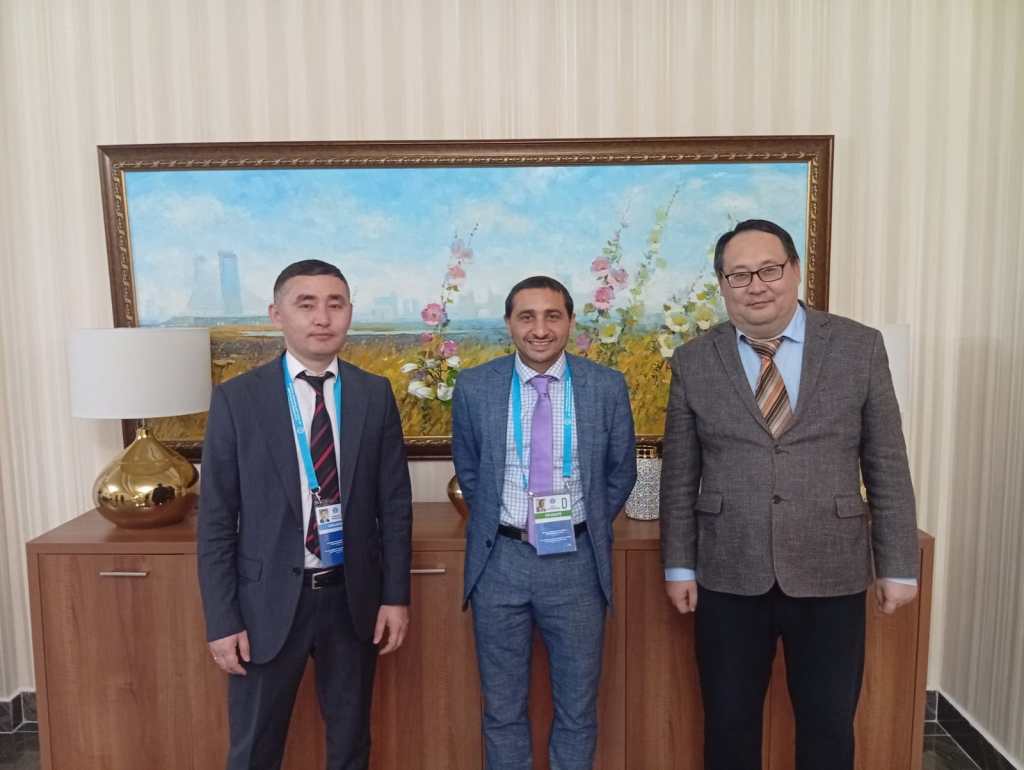
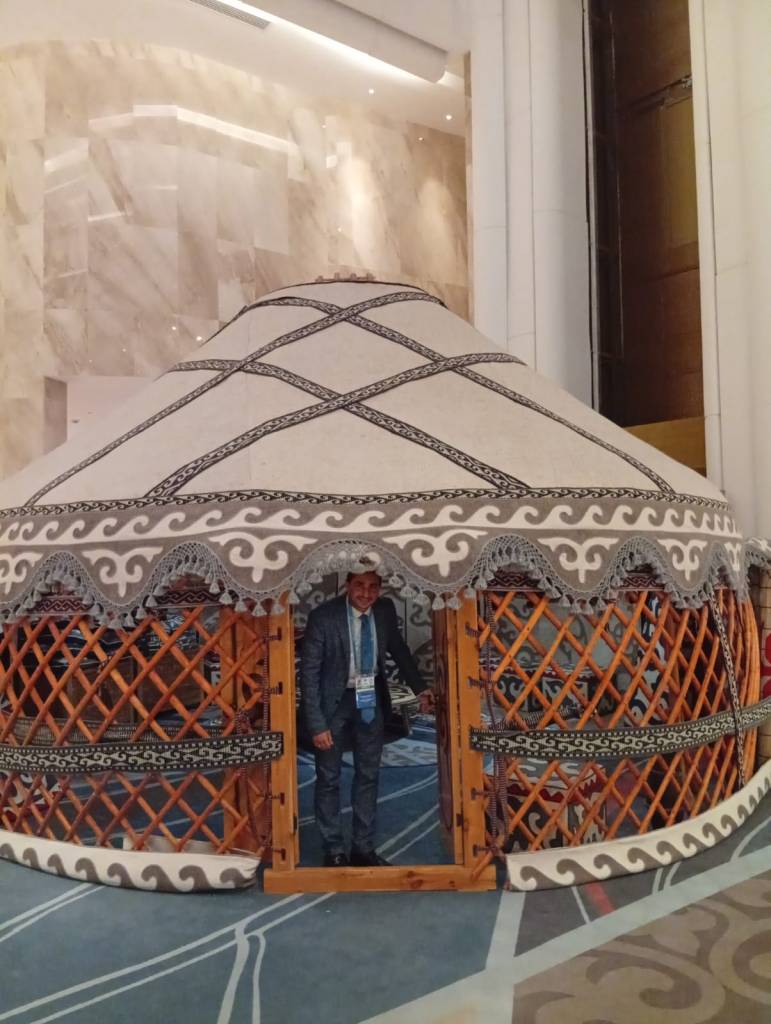
Debate for Peace director Steven Aiello participated in the Second Annual Forum of Young Religious Leaders, as part of the Congress of Leaders of World and Traditional Religions, held in Astana, Kazakhstan. This year’s Congress, the 8th triennial gathering, featured the theme “Synergy for the Future”, and was hosted at Independence Palace in Astana. The plenary session of the Congress was chaired by Mr. Maulen Ashimbayev, Chairman of the Senate of the Parliament of Kazakhstan, and Chairman of the Congress of Leaders of World and Traditional Religions. The conference was opened by President Tokayev, the President of Kazakhstan, who welcomed all of the participants, and noted the importance of striving for dialogue, and of religious leaders leading a global movement of peace for humanity.
Following the President, Mr. Ashimbayev provided a summary of the Congress’s activities, and called up speakers, including Patriarch Kirill of Moscow, head of the Russian Orthodox Church; Cardinal George Jacob Koovakad, prefect of the Dicastery for Interreligious Dialogue at the Vatican; the Ashkenazic and Sephardic chief rabbis of Israel; the Greek Orthodox Patriarch of Jerusalem, Theophilos III; Secretary General of the Muslim Council of Elders; Anglican Bishop Jo Bailey Wells; President of the World Fellowship of Buddhists; Minister for Religious Affairs and Interfaith Harmony of Pakistan, Mr. Sardar Muhammad Yousuf; Chancellor of Somaiya Vidyavihar University, Mr. Samir Somaiya; Al Azhar University representatives; Chairman of the Muftis of Russia, UN Undersecretary General and High Representative of UN Alliance of Civilizations Miguel Angel Moratinos, and OSCE High Commissioner on National Minorities, Mr. Christopher Kamp, along with additional leaders.
The plenary remarks, delivered in more than half a dozen languages, with simultaneous translation, focused on the common values that the world religions share, and how to engage in “spiritual diplomacy” rooted in core values like peace, justice, and coexistence. It was expressed that the Congress of World and Traditional Religions serves as a “moral compass” for the world; the need to engage in constructive dialogue with one another to find a common path to realize a better future for all; and acknowledgement that dialogue begins with listening, which often takes courage.
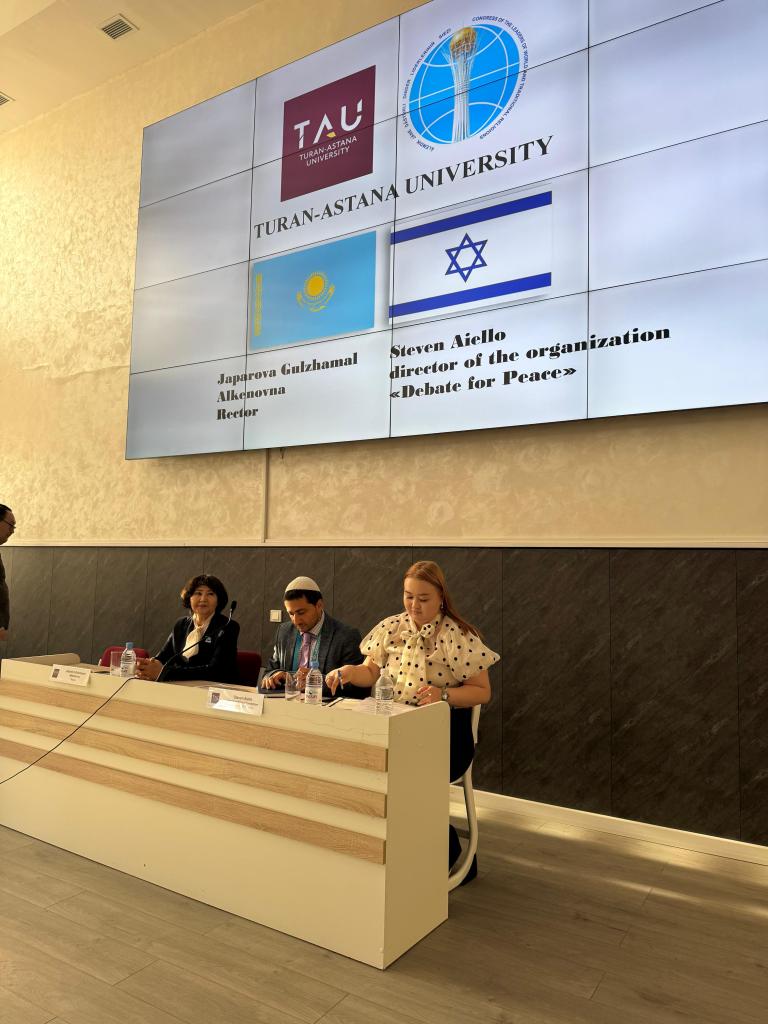
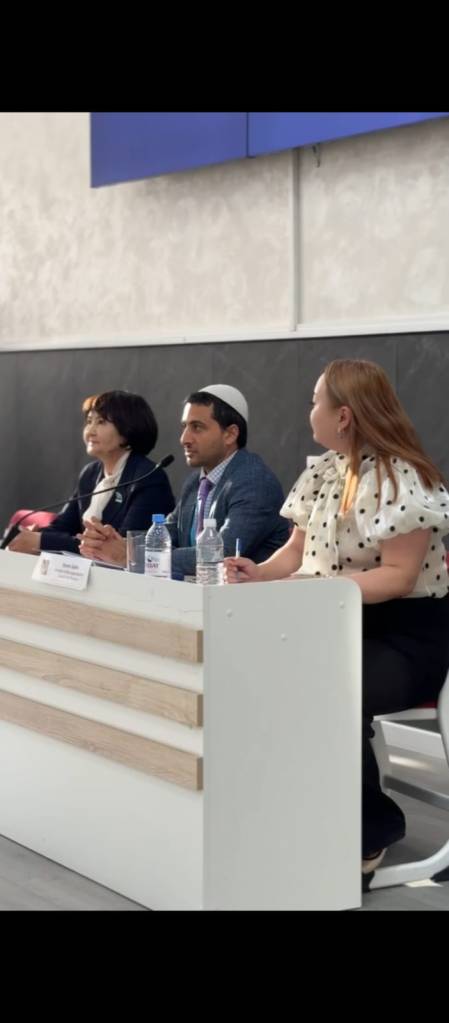
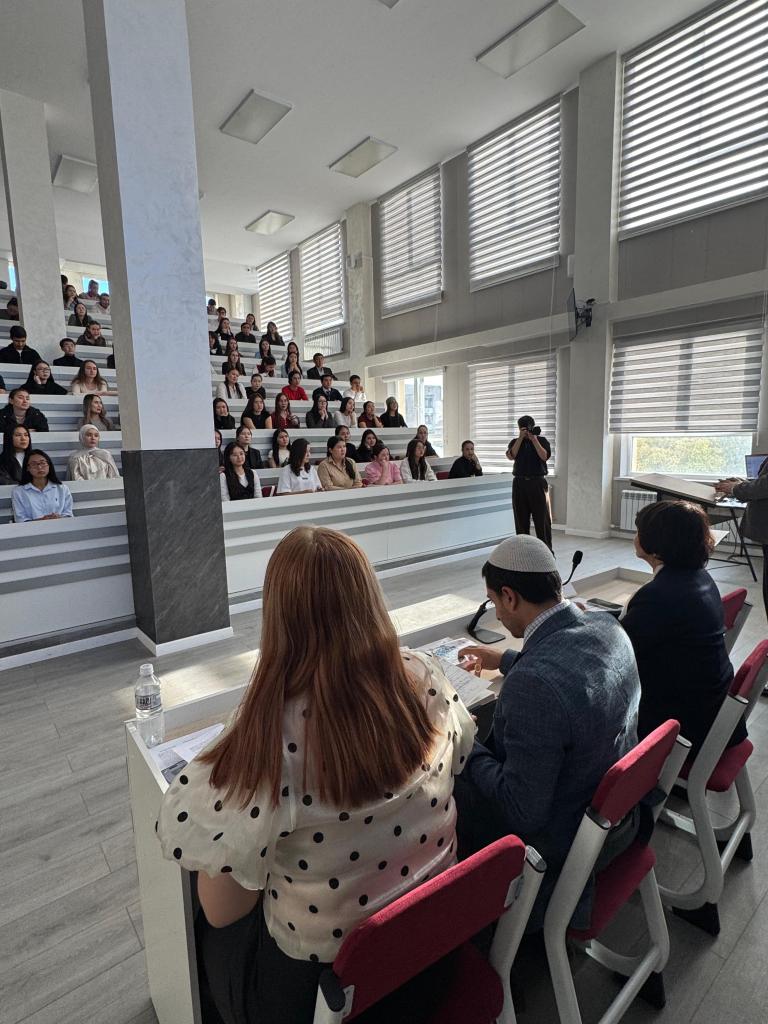
Following the first day of the Congress, Debate for Peace director Steven Aiello met with administrators and over 100 students from Turan-Astana University, where they discussed the work of Debate for Peace to promote peace and reconciliation among youth via educational initiatives, as well as possible areas for cooperation in the future.
The Forum of Young Religious Leaders was held on the second day of the Congress, including opening remarks from Chairman Ashimbayev, emphasizing the important role of Youth in promoting religious dialogue and leadership. The opening panel, chaired by Bishop Jo Bailey Wells, included Ms. Zainab Ali Mahmood, head of the PR Services of the Grand Imam of Al Azhar; Dr. Abhishek Ghosh, Dean of Faculty at Somaiya University; Associate Prof. Ivan Ivanov, Chairman of the Board of the International Center Alliance of Civilizations, Ms. Zarina Kudabayeva from International Center for Interfaith and Interreligious Dialogue in Kazakhstan, and the Undersecretary General for Legal Affairs of the Muslim World League. The forum’s opening panel discussed going from texts to practice, in incorporating religious values into daily action, to engage with and address challenges of the present and future.
In the “Forum Talks” session, Renz Argao (Coordinator of Religions for Peace International Youth Committee and head of the Asia-Pacific Interfaith Youth Network); polyglot social media activist Madi Fazyl, Sri Lankan Anglican Church activist Ninadi Heshara, Imam Nurlan, chief imam of the Yryskeldy Haji mosque in Astana, and Debate for Peace director Steven Aiello each presented talks on “Synergy for the Future”. These speeches, in Ted Talk style, challenged the audience members to seize a “seat at the table,” use common values to build bridges with diverse communities, and take action to create a better future for all.
The forum then concluded with a recitation of the communique “Youth for Peaceful Coexistence” by Emmanuel Ganse, President of the Tonafa Institute in Benin, before the members rejoined the Congress for its concluding session, once again joined by President Tokayev.
That evening, participants of the Congress and the Forum enjoyed a lavish reception at the Astana Hilton, which included a rich program of music and dance, showcasing the diversity of Kazakhstan’s cultural heritage.
Debate for Peace extends its appreciation to the Government of Kazakhstan, for its firm and unwavering support of peace and interreligious harmony, as showcased in the Congress of Leaders of World and Traditional Religions and to the Embassy of Kazakhstan for the opportunity to participate in the Congress and the Forum of Young Religious Leaders.
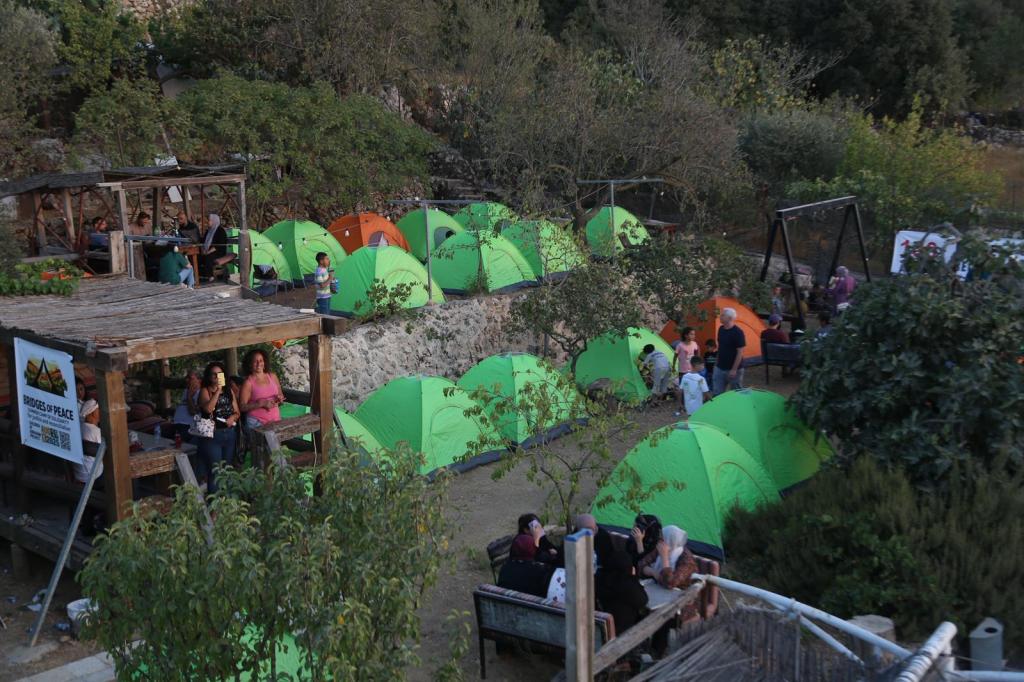
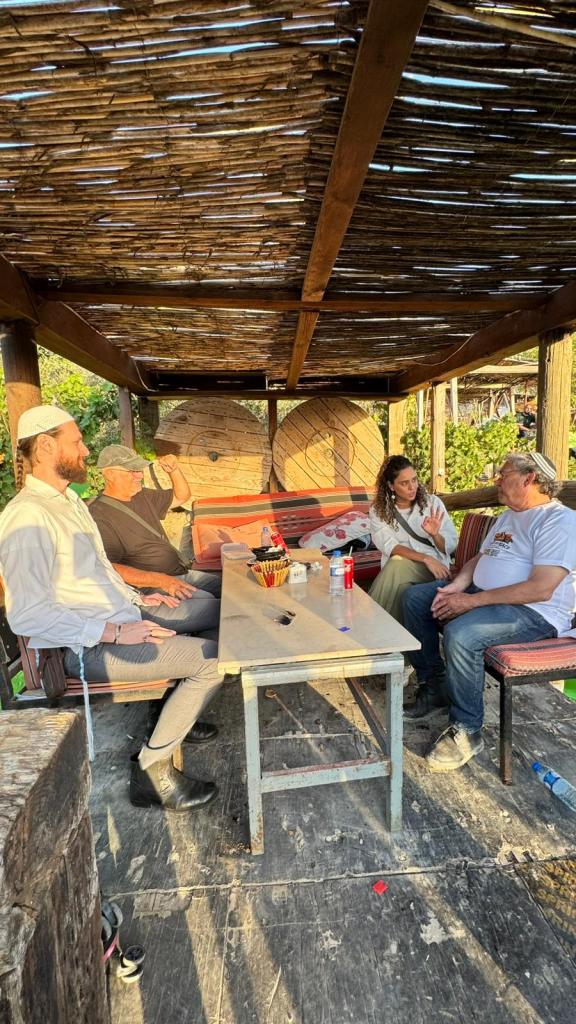
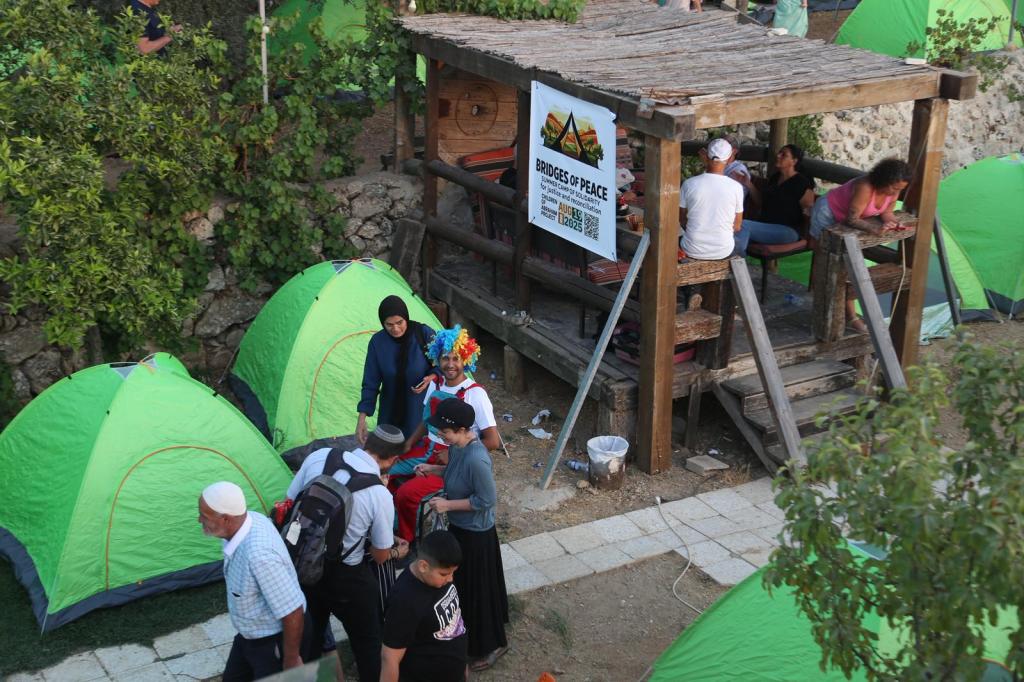
Amidst a summer of record-breaking heat and divisive war, Children of Abraham brought together 200 Palestinians and Israeli Jews for a fun day of camping together.
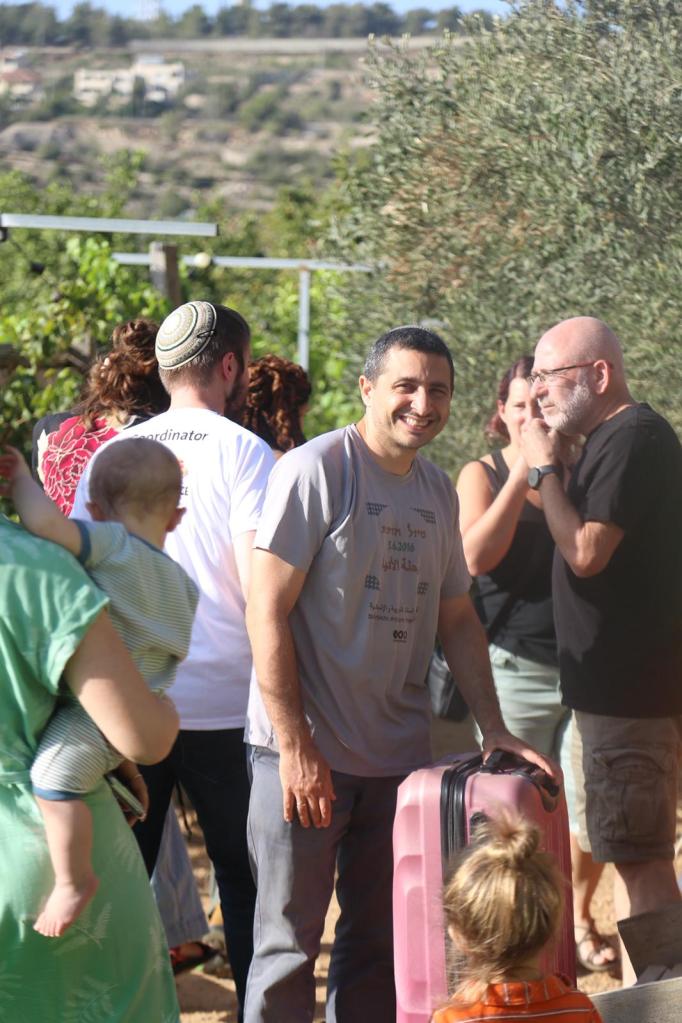
The event was multigenerational, with parents, grandparents, and children of all ages, coming from cities and towns around Israel and Palestine. Children were welcome to join Marc’s arts and crafts station, play with puzzles and inflatable carnival games, and get facepainted by a clown. Throughout the event several stands also provided handmade Palestinian crafts for sale, to help support local women artisans.
After enjoying a group dinner, a DJ played ambient music chosen to help everyone relax after a stressful summer. There were also dialogue circles and a Writers Matter group for participants to express their perspectives and experiences. The next morning breakfast was provided for all participants.
With 100 tents spread out on several levels, there was ample space for everyone to sleep comfortably, although some chose to take advantage of this opportunity to stay up late discussing peace and unity with friends from such diverse backgrounds across the holy land.
During the opening remarks of the evening, Children of Abraham programs director and Palestinian peace activist Mohamad Jamous greeted all of the participants and welcomed them to another initiative to bring people from different communities together in solidarity and friendship. Subsequent speeches emphasized the diversity of the group, as well as the importance in choosing to come together in peace and friendship, for a better shared future. After these warm words, a special award was presented to Children of Abraham founder Jerry Katz for his dedication to Abrahamic peace in the holy land, and globally. For more information about future Children of Abraham events, please contact Mohamad (050-3190239; Mohamad.jamous26@gmail.com).
Organizer Mohamad Jamous thanked those who had supported the initiative, including David, Leah and Yoel, and shared his thoughts on the successful event:
Here I am, waking up to a new day in my journey along the path of humanity and peacebuilding.
I walk like an old man, weary in his features, whose face has been carved by years of pain, carrying on his shoulders a burden heavier than mountains… the burden of two peoples exhausted by wars, torn apart by bloodshed.
For fifteen years, I have stood—again and again—against despair, to organize yet another event, yet another gathering, that brings together what wars have divided.
I bring together people from different religions, nationalities, and backgrounds, to build a bridge of encounters, smiles, and humanity.
I have always—and still—worked to reunite people, just as I did with thousands over the past years.
I walk tirelessly, with no compensation, no salary, no reward.
I walk, carrying wounds that pierced my heart and soul, surrounded by a deep sadness that never leaves me. But I swore to continue… and I have continued.
And today, among the hundreds of programs I have led, I organized an interfaith summer camp that brought together about 200 people—young and old—inside 100 tents.
A camp that restored smiles to the faces of children, smiles I wished I could plant in the heart of every child on this wounded land… in Palestine, in Israel, and across every corner of the world.
Two hundred people shared their days and nights inside tents filled with stories, with tears, with pain…
But also filled with hope.
The theme of our camp this year was: “Justice, Humanity, and Equality for both the Israeli and Palestinian peoples, and for all peoples of the world.”
And I extend my heartfelt gratitude to everyone who stood with me and supported me, as always, to make this gathering possible—a gathering that unites us, that brings us together, and whispers to us that tomorrow will be better.
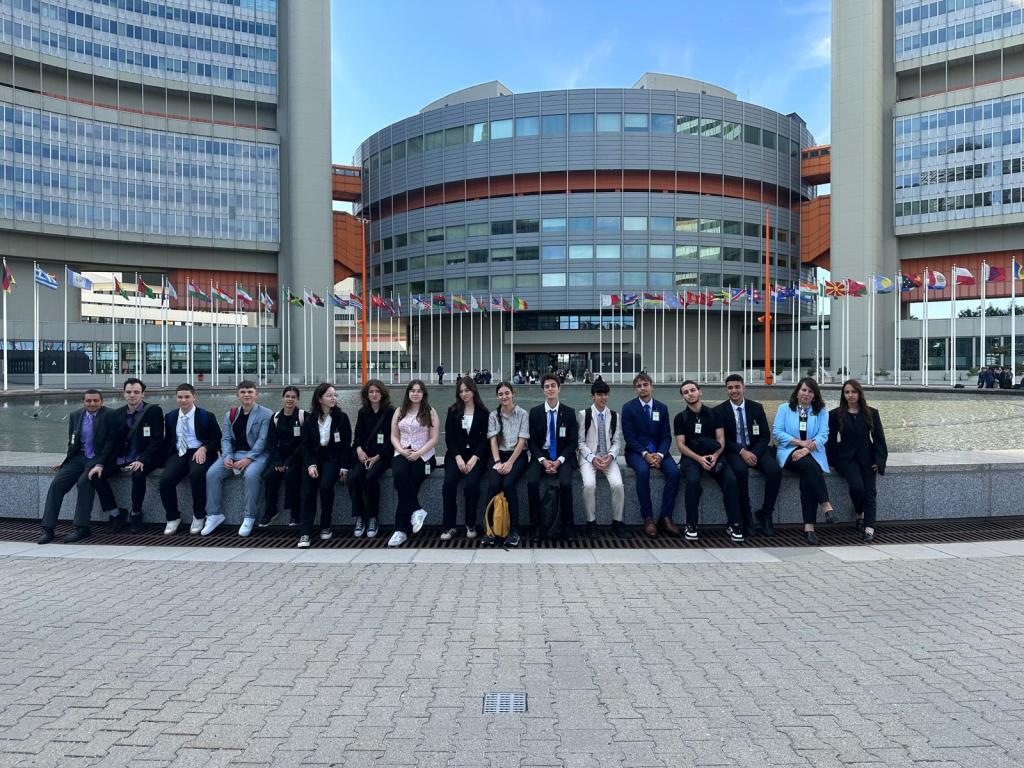
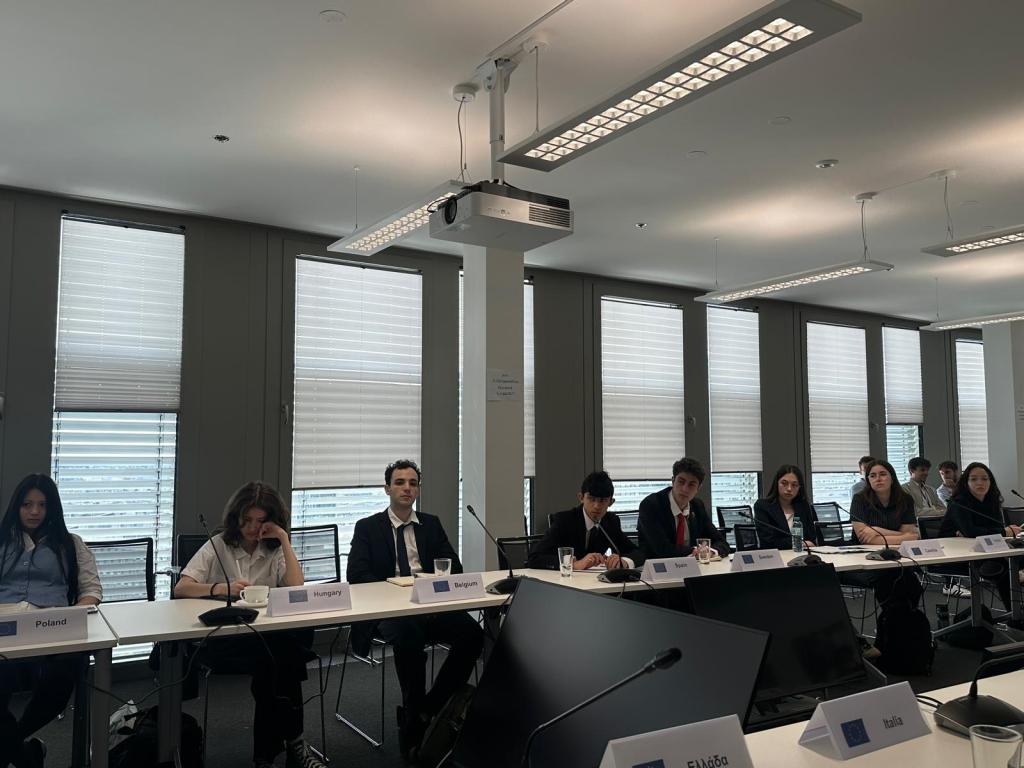
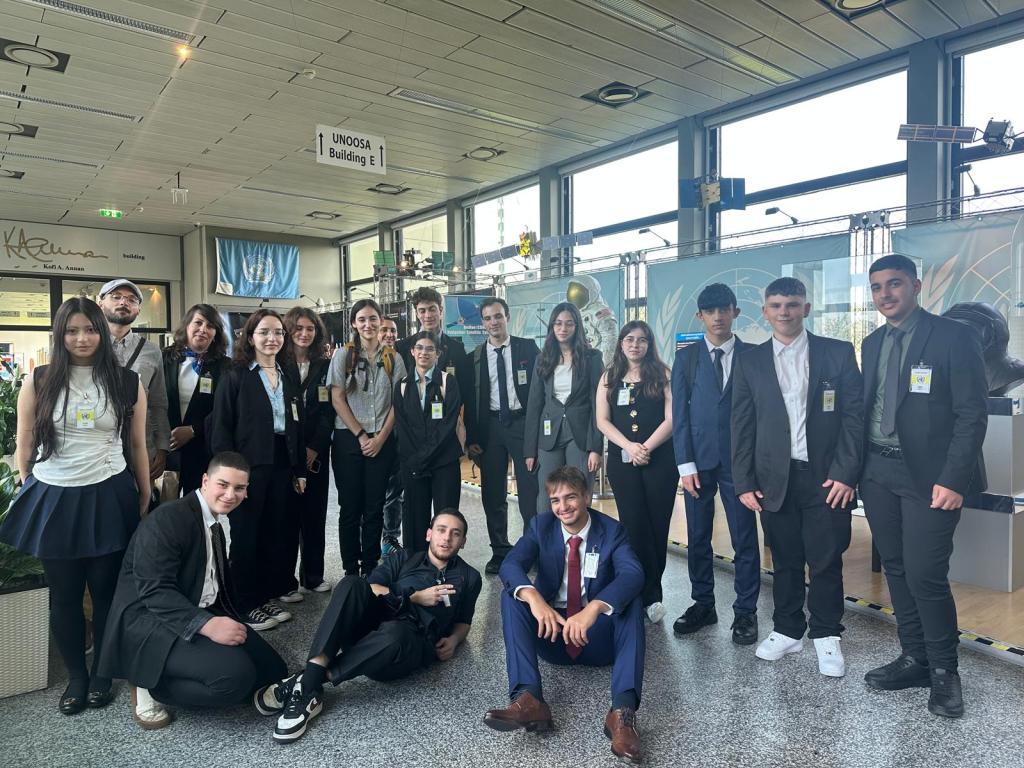
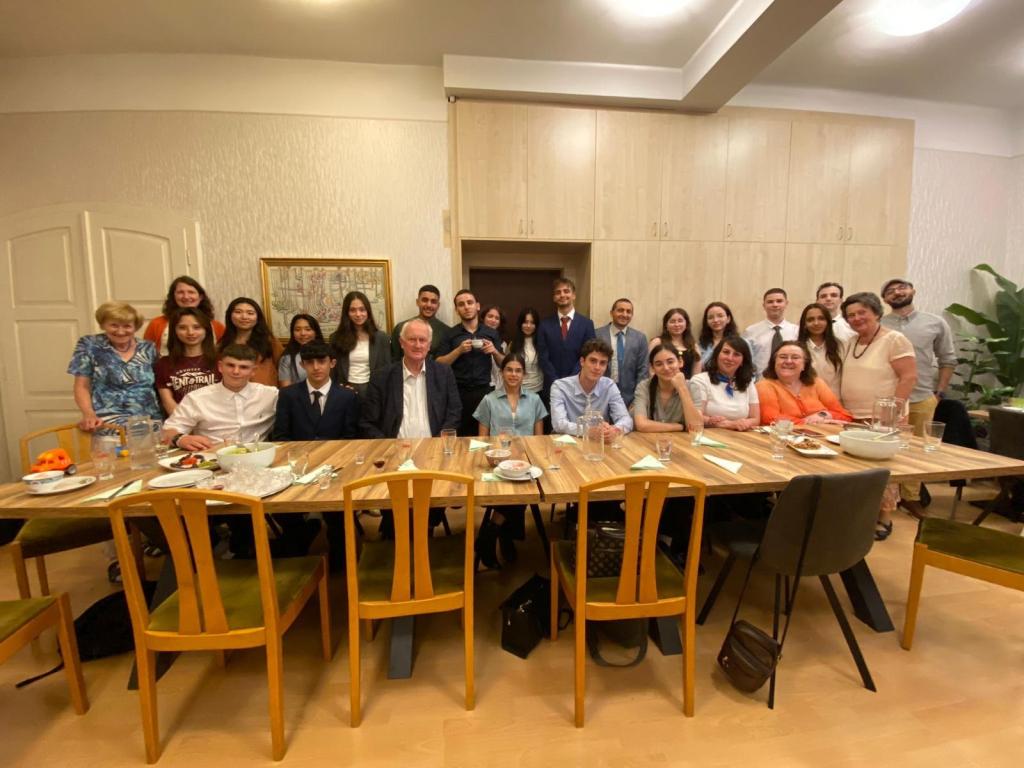
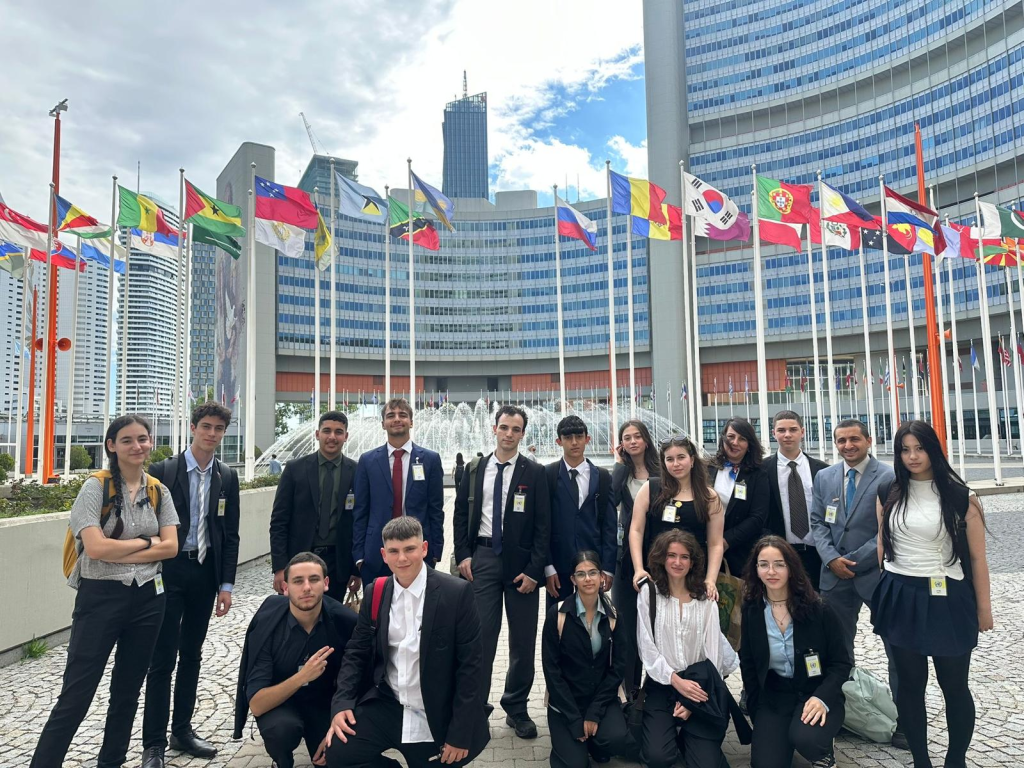
Debate for Peace led its fourth delegation to the United Nations in Vienna, with top MUN and diplomacy students from 12 schools holding meetings with several UN agencies, missions to the UN, the foreign ministry of Austria, NGOs and thinktanks. This year’s delegation was proud to take part in a special conference titled “A Sustainable Future of Peace starts now- with Education: SDG 16”.
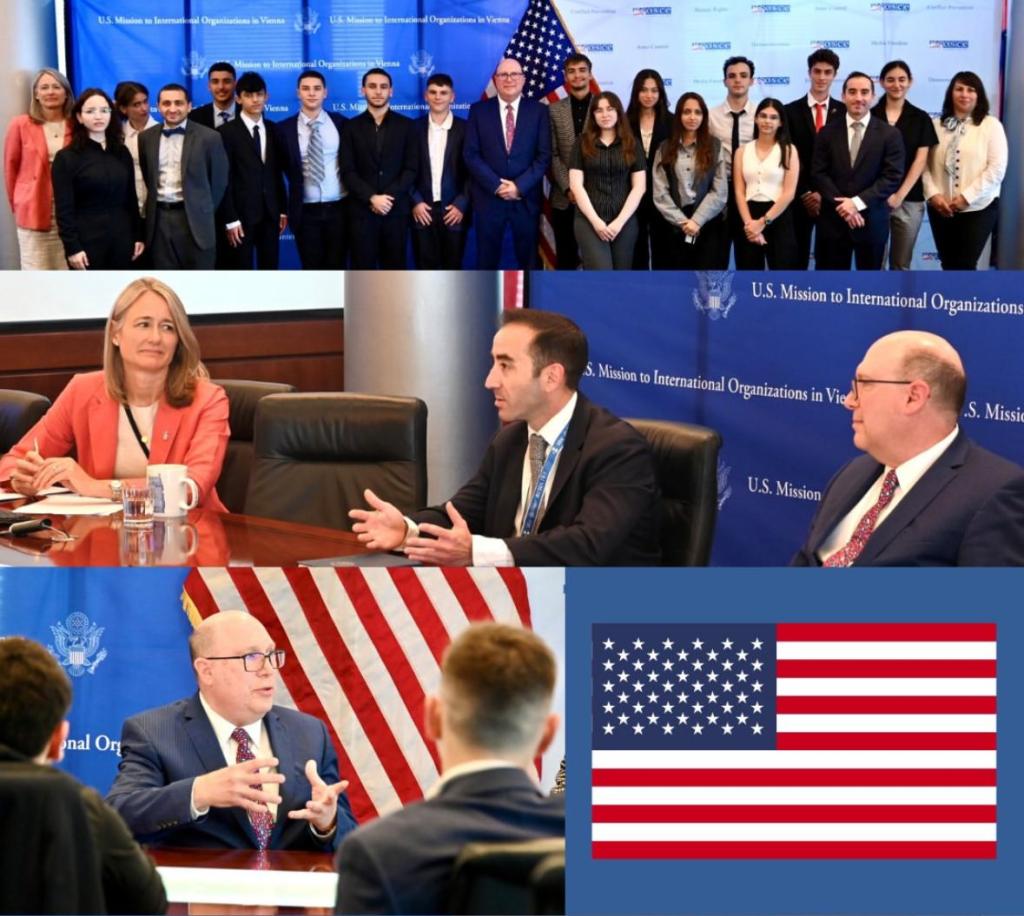
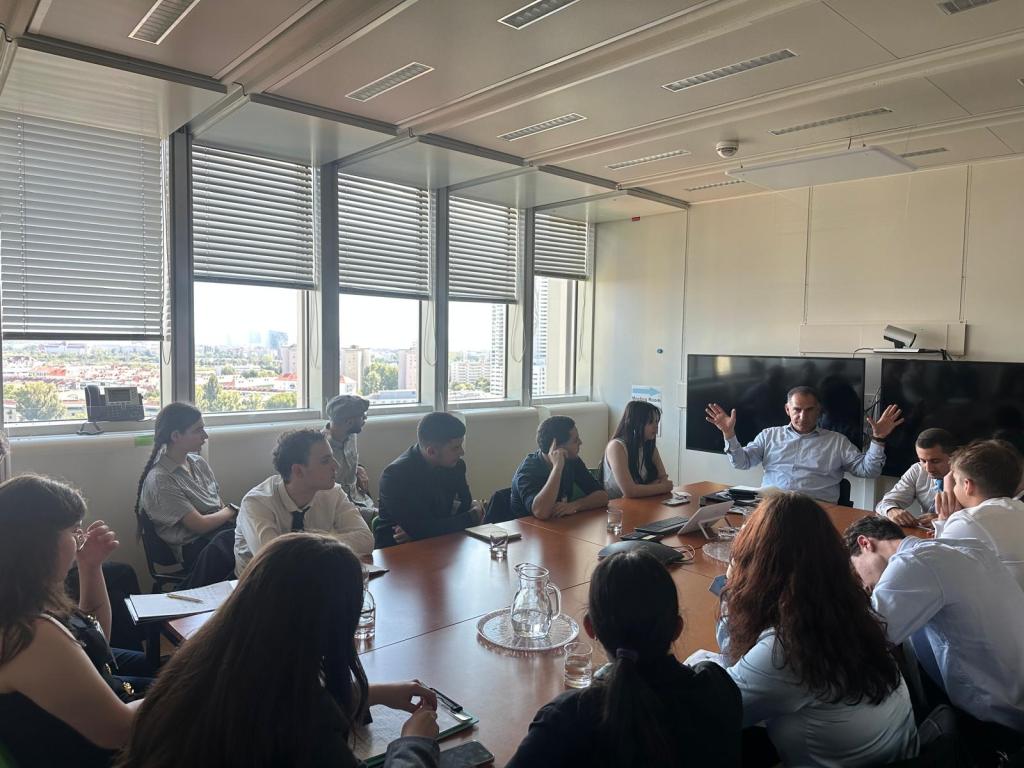
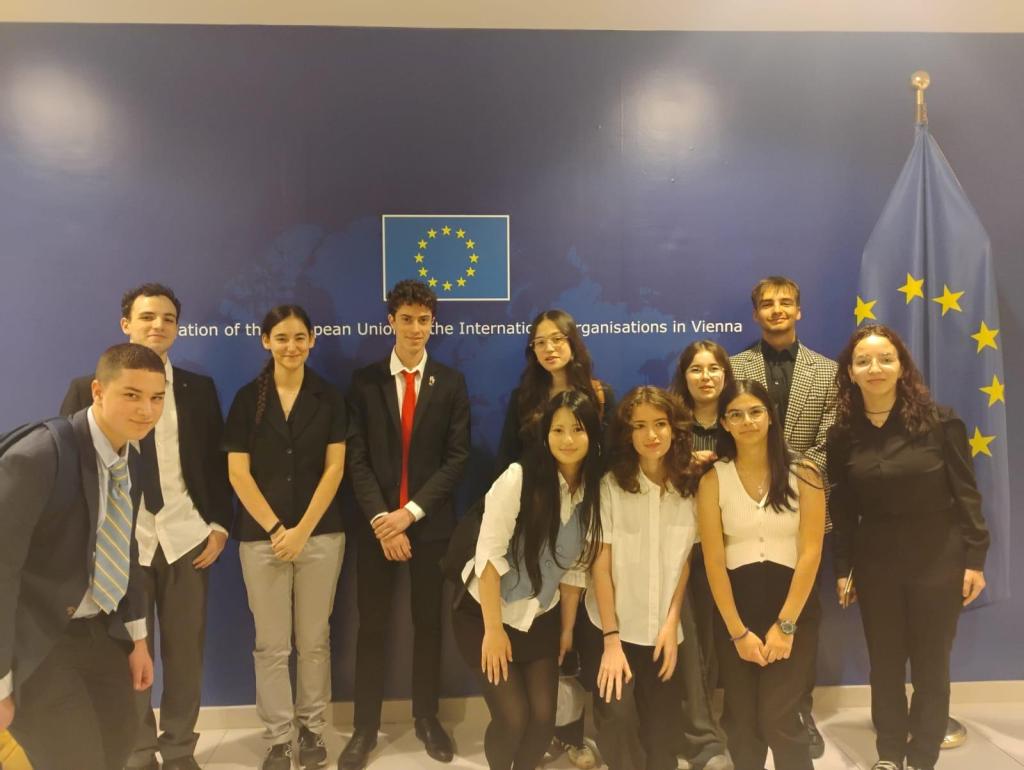
This year’s delegation held briefings and meetings with UNOOSA, UNHCR, UNODA, UNODC, and the International Commission of Inquiry on Ukraine, as well as with the Foreign Ministry of Austria, the International Institute for Peace, and the heads of mission of both the Delegation of the European Union to the International Organisations in Vienna and the US Mission to the UN in Vienna (USUNVIE). During the meetings, students discussed the challenges of multilateral diplomacy, different fields of work at the UN, and peacebuilding, particularly in the Middle East.
The highlight of the delegation was a three hour session at the UN on Youth and Peacebuilding, organized by the Women’s Federation for World Peace (WFWP), with support from the UNODC Youth Mainstreaming unit, and participation from the missions of Burkina Faso, Mexico, and the Philippines. Four of the participants sat on a panel, where they shared their thoughts and experiences on the challenges that youth face in building peace, and how adults can support young peacebuilders to create positive differences and build bridges. A recording of the panel can be viewed here.
Following four intense days of briefings and meetings, the delegation made time to take in some cultural highlights of Vienna, including Schonbrunn Palace, the Imperial Treasury, Military museum, Welt Museum, city boat cruise, House of Music, Mythos Mozart, and Madame Tussauds wax museum and the amusement park.
The participants included students from the following schools:
Hand In Hand, Atid Raziel, Ohel-Shem, Al-Hikma high school, Deshalit high school, Darca Begin Gedera, Ort Hilmi Shafie, Meitarim, Al Galil High school, Prishtina High School, Schmidt Schule, and El Ein Junior High School.
Debate for Peace extends its gratitude to the Women’s Federation for World Peace Vienna office (WFWP), International Institute for Peace (IIP), Federal Ministry of European and International Affairs of Austria, US Mission to the UN (USUNVIE), Delegation of the European Union to the International Organisations in Vienna, International Commission of Inquiry on Ukraine, UN High Commissioner for Refugees (UNHCR), UN Office for Disarmament Affairs (UNODA), UN Office of Outer Space Affairs (UNOOSA) and UN Office on Drugs and Crime (UNODC).
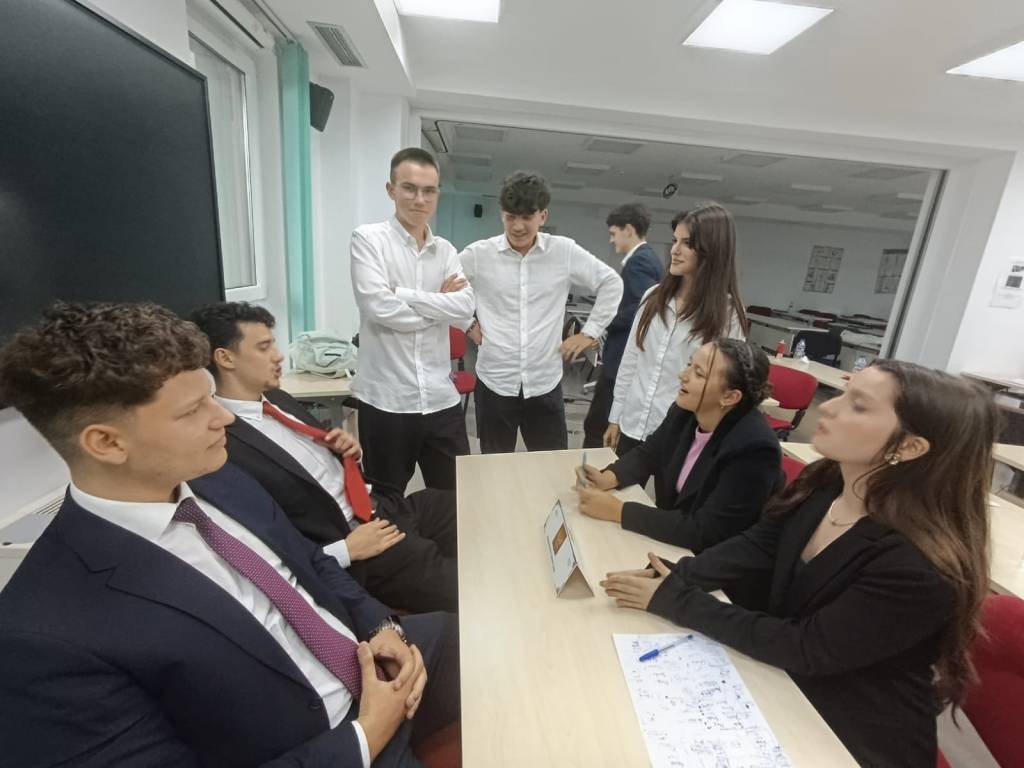
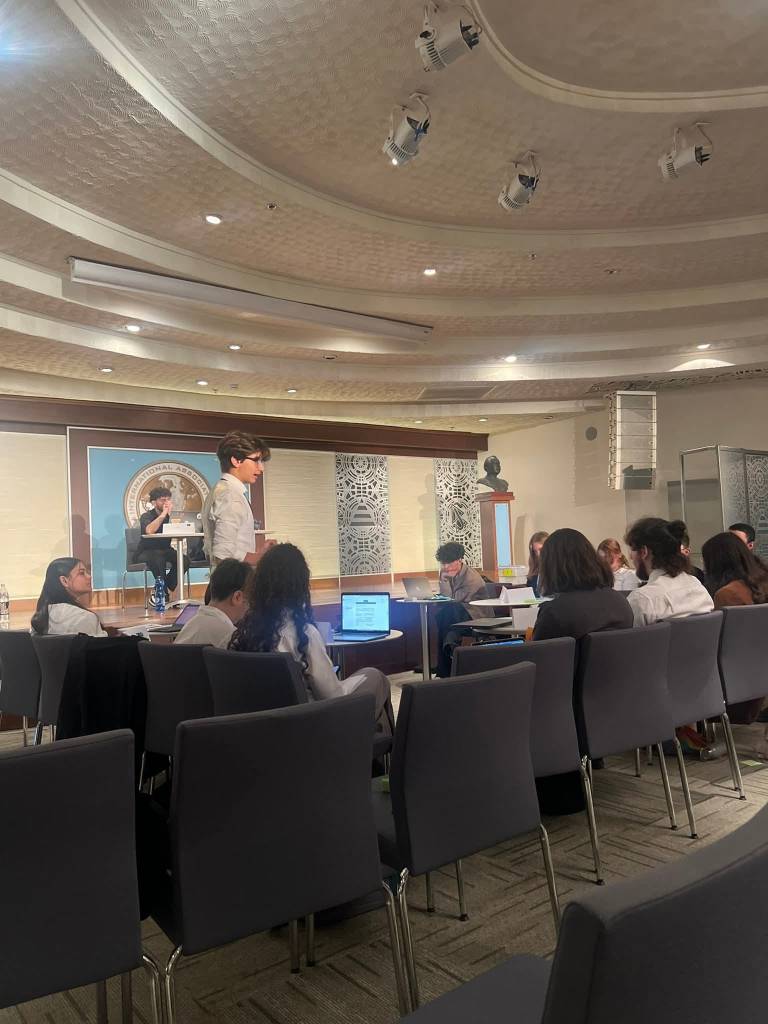
MUNKOS, a small international Model UN, was held on July 29 at Heimerer College (Kolegji Heimerer) in Pristina, Kosovo. The conference was organized by Debate for Peace together with two local student leaders: Jon Hoxha from QSI International School of Kosovo and Ema Kuçi from Xhevdet Doda High School.
The event brought together approximately 40 students, including participants from Israel, Kosovo, Greece, and Poland. For many of the local students, it was their first experience participating in a MUN conference—an opportunity to step into the shoes of diplomats, explore global issues, and practice negotiation and public speaking.
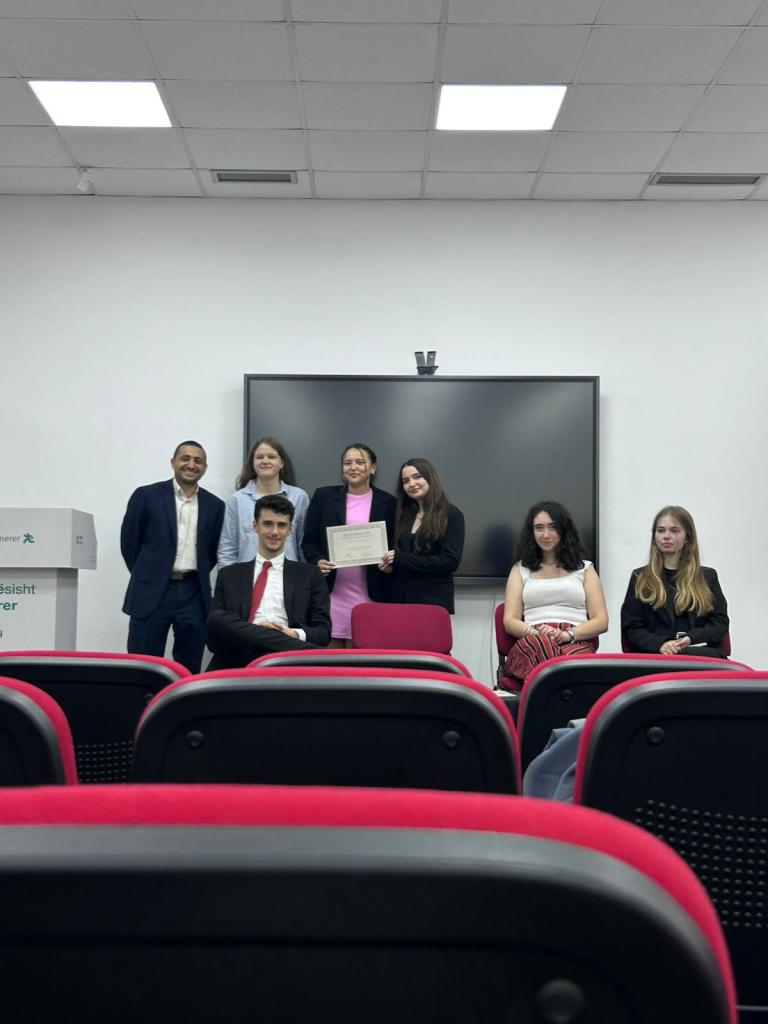
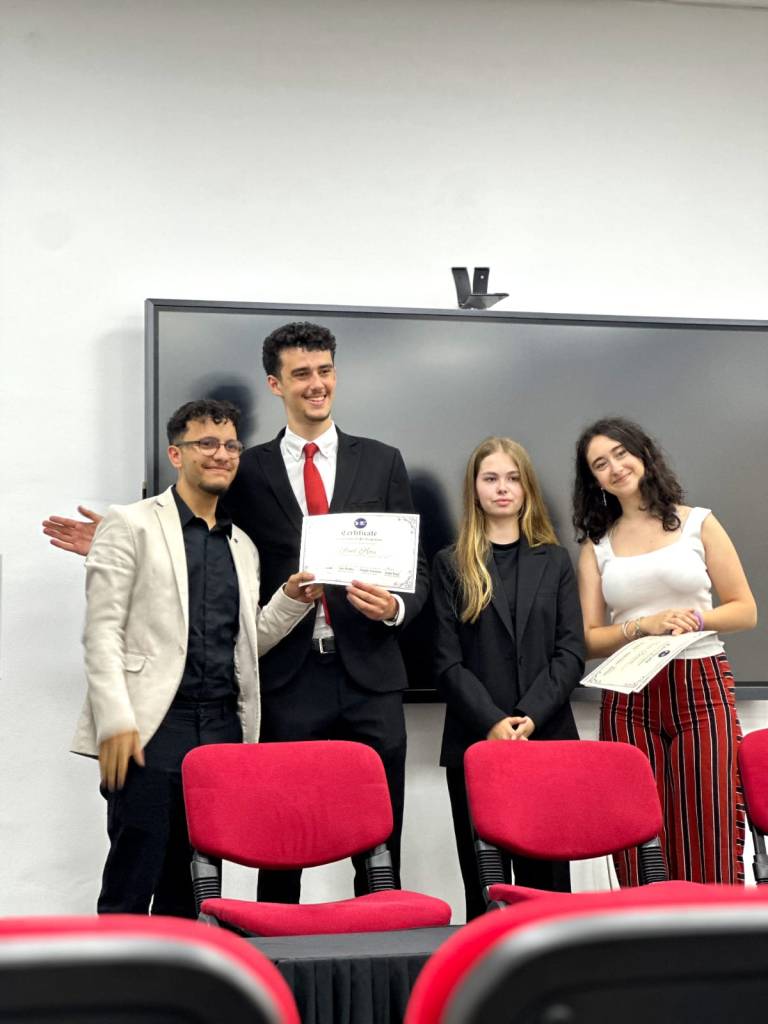
At the end of the conference, all participants received certificates, and the top award winners in each committee received special commendation, including cash prizes for the “Best Delegates”. The delegates were also treated to a special acapella rendition by members of the conference secretariat.
Despite being a one-day simulation, the conference exceeded expectations in both participation and quality. Delegates displayed impressive engagement, navigating complex topics with confidence and curiosity. The collaboration between international and local students added a dynamic, multicultural layer to the discussions, and many expressed strong interest in continuing their MUN journeys.
This event was part of a broader effort by Debate for Peace to promote youth diplomacy and cross-border educational engagement. In recent years, students from Kosovo have taken part in Debate for Peace’s online MUN programs, as well as in international delegations to prestigious conferences—such as Yale Model UN in Brussels (2024) and Geneva (2025), and visits to the United Nations in Vienna (summer 2024 and 2025).
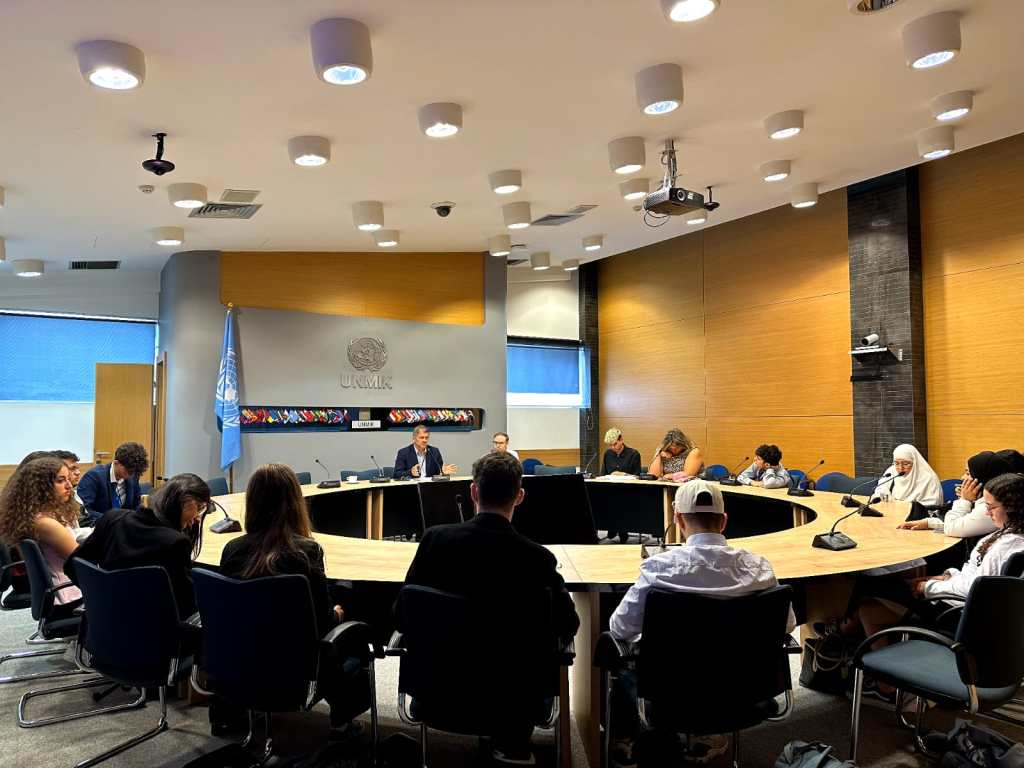
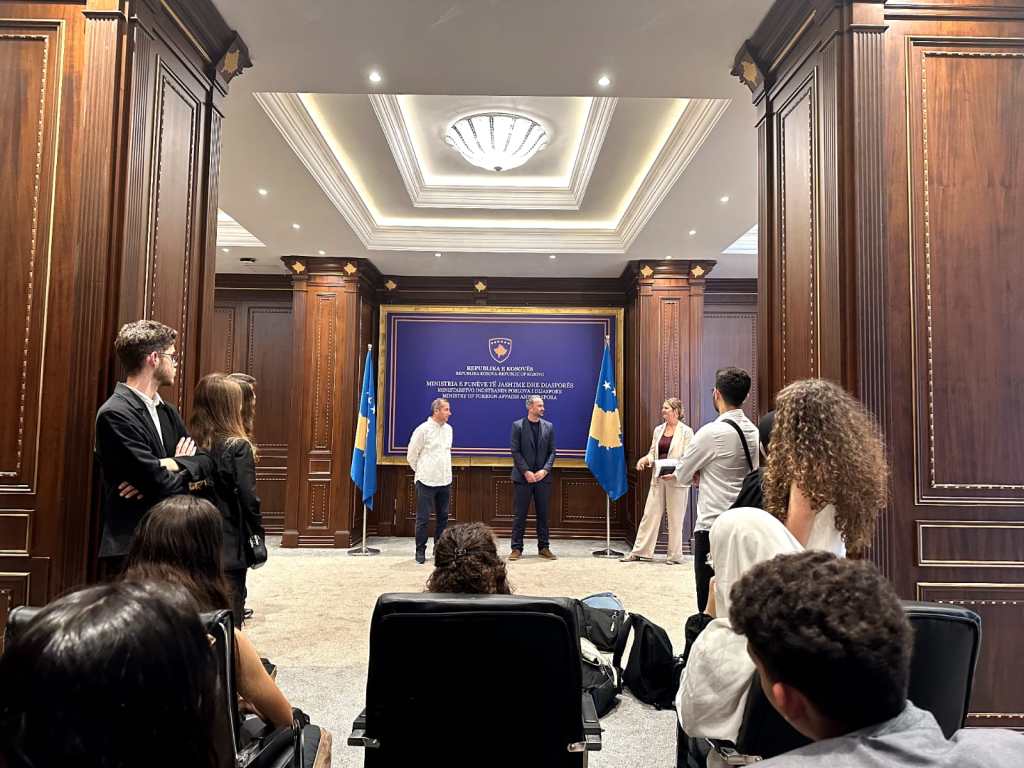
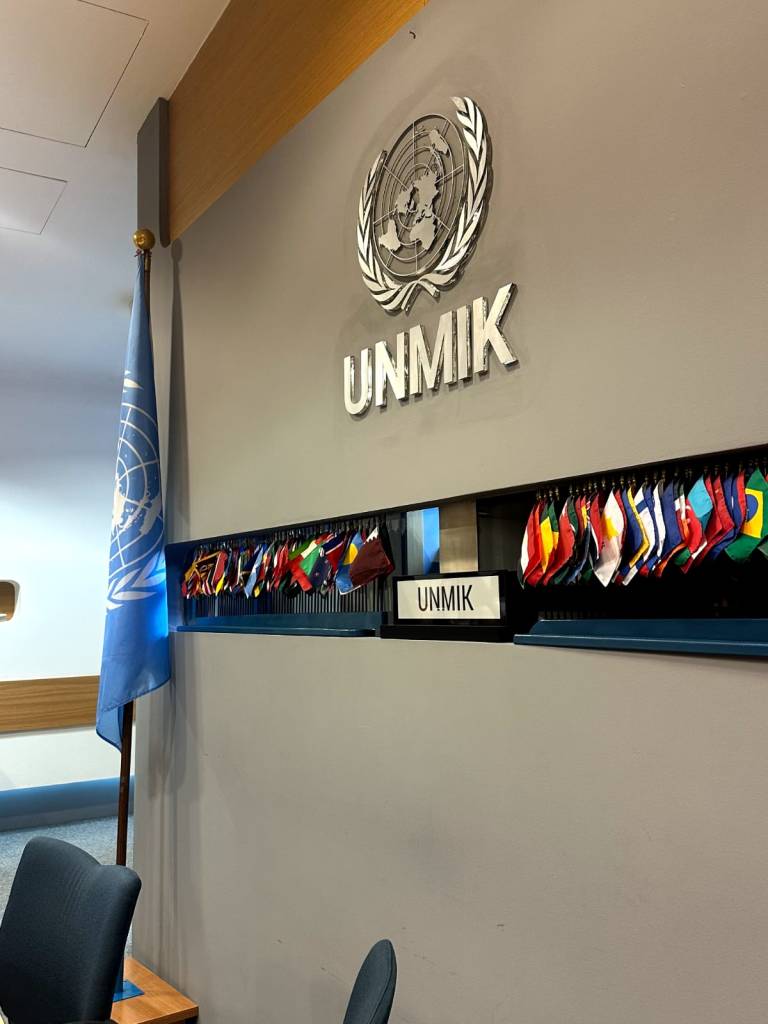
In addition to the conference, the Debate for Peace delegation also visited the Ministry of Foreign Affairs of Kosovo, as well as the UN Peacekeeping Mission in Kosovo-UNMIK, where the students got to discuss diplomacy and peacebuilding with professionals.
The success of MUNKOS 2025 reflects the potential for MUN growth in Kosovo. Debate for Peace remains committed to building partnerships with schools, students, and youth organizations across the country, and looks forward to seeing continued growth in MUN leadership and partnerships with students and schools in Kosovo. Debate for Peace expresses its appreciation for the student organizers of MUNKOS, Heimerer College, the Ministry of Foreign Affairs of Kosovo, and UNMIK, for an unforgettable MUN delegation.
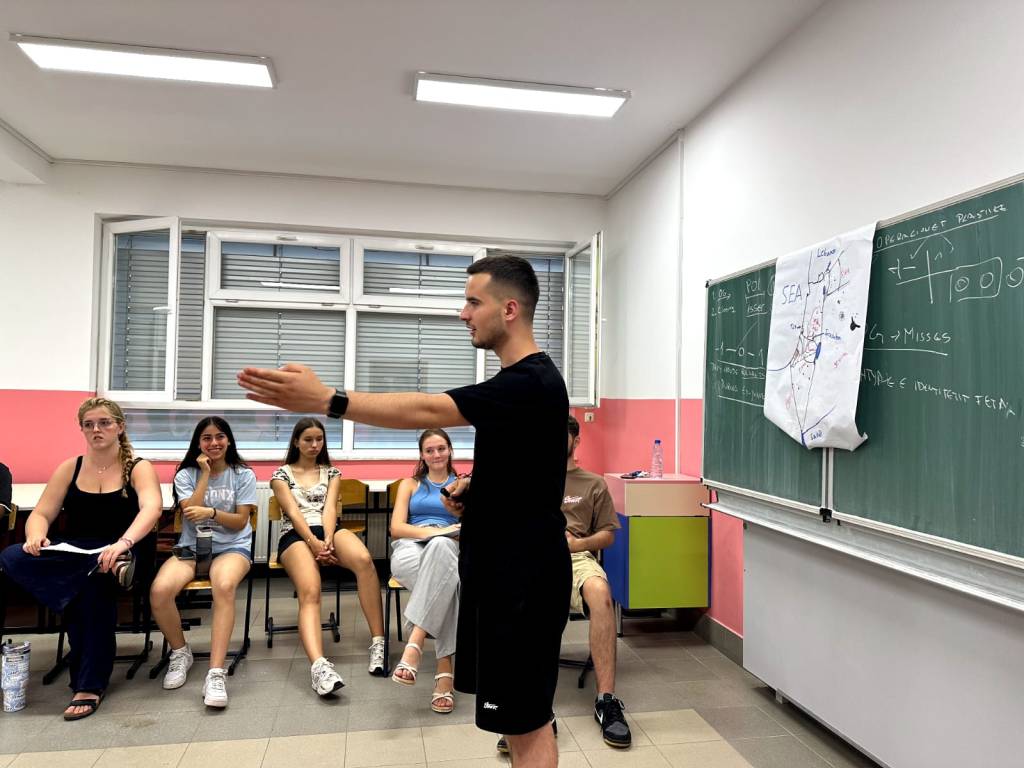
This July, a unique and ambitious peacebuilding initiative brought together young leaders from different sides of two conflict zones—Israel/Palestine and Kosovo. The week-long TOKA-Debate for Peace camp, a direct collaboration between Debate for Peace and the Kosovo-based TOKA organization, created a safe space for empathy, dialogue, and growth.
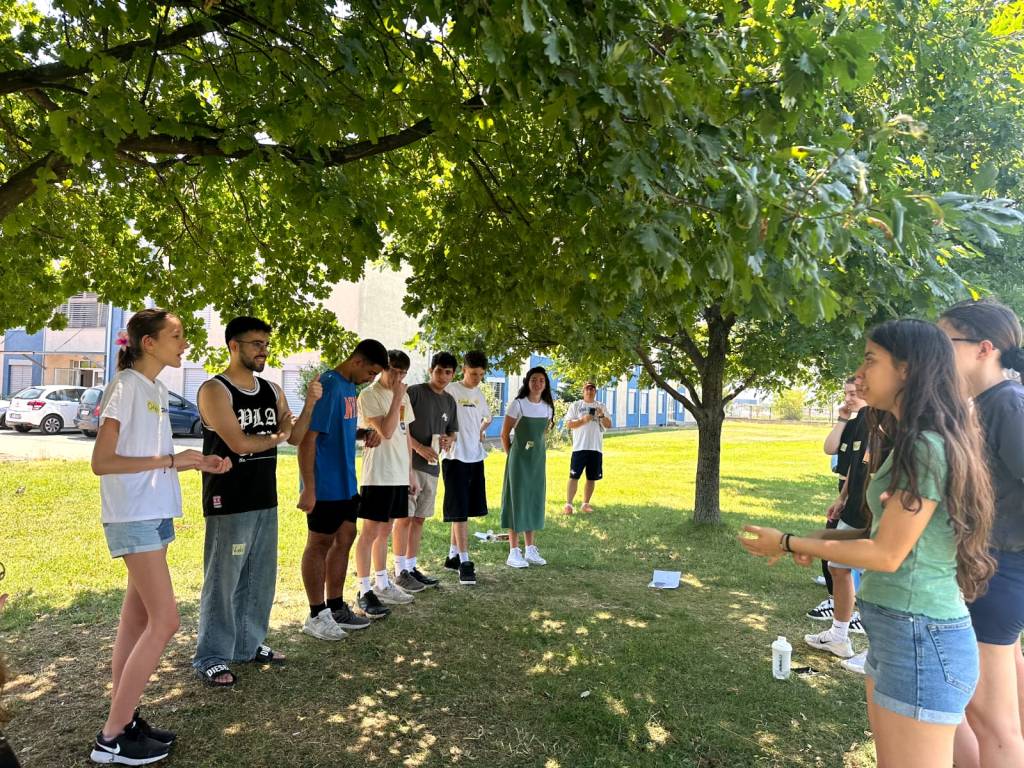
The camp brought together several dozen teenagers: Israeli, Palestinian, Albanian, Serbian, and American, to build meaningful connections across national, ethnic, and religious divides—and to explore how young people can become agents of peace in regions still grappling with the legacy of conflict.
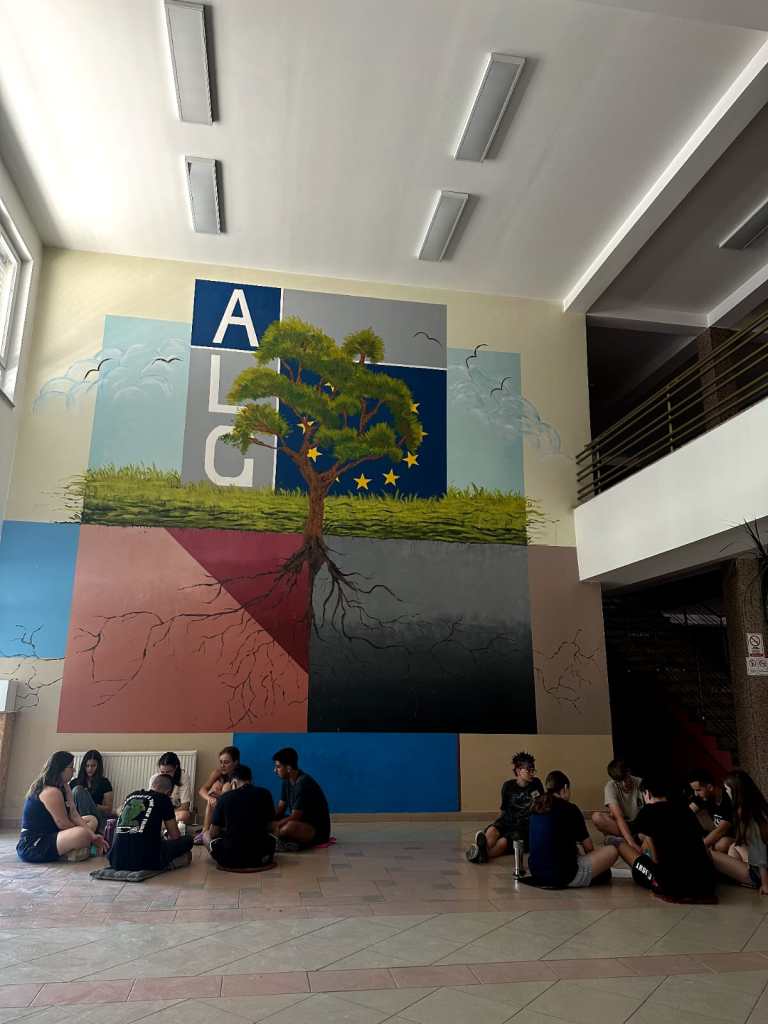
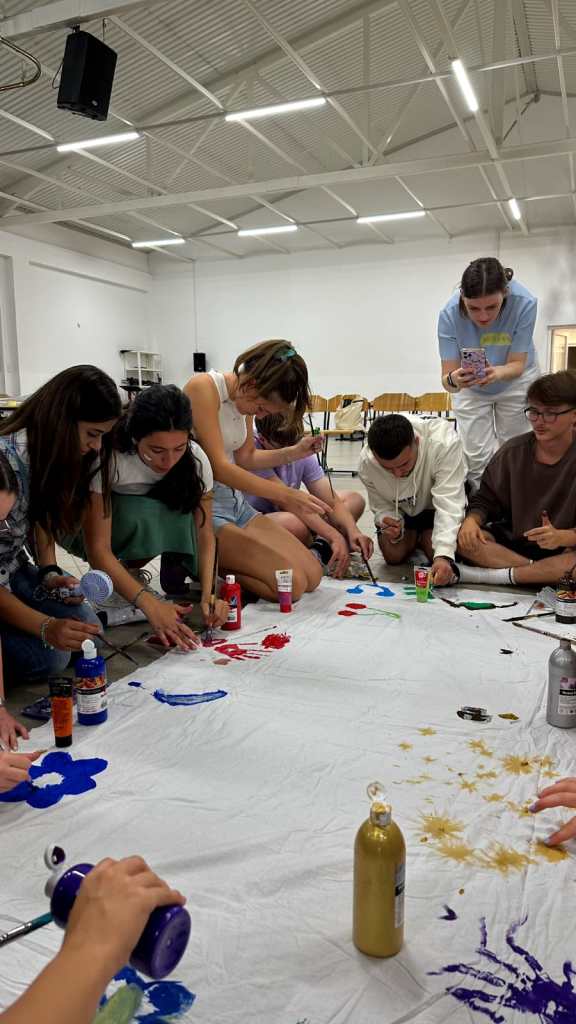
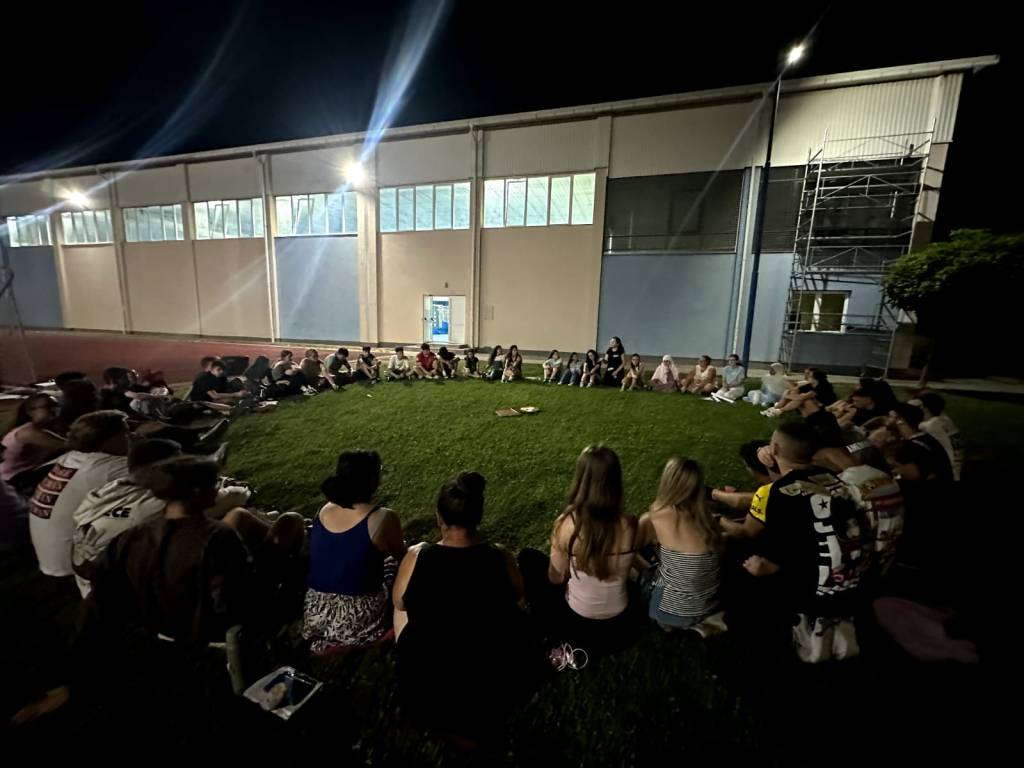
The program’s design emphasized not only intercultural bonding but also the development of core peacebuilding skills. Participants took part in dialogue circles, storytelling, writing and acting workshops, and an Israeli-Palestinian peacebuilding simulation. Discussions were at once local and global, with the youth discussing how conflicts impact their daily lives, as well as how to create positive change around them.
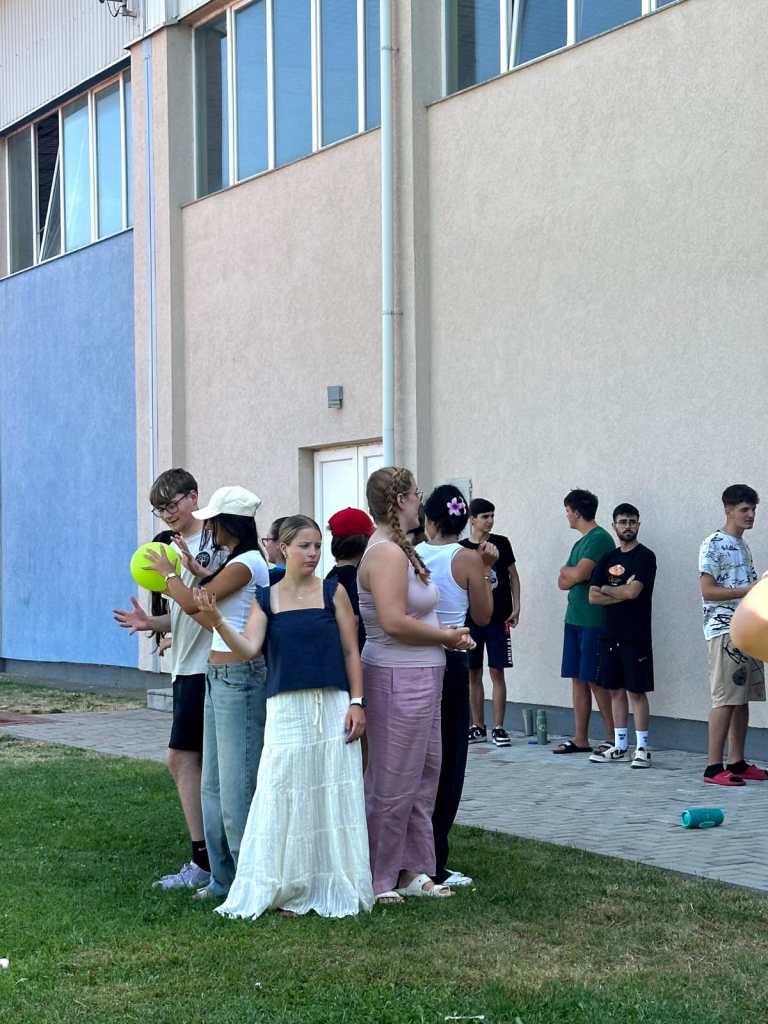
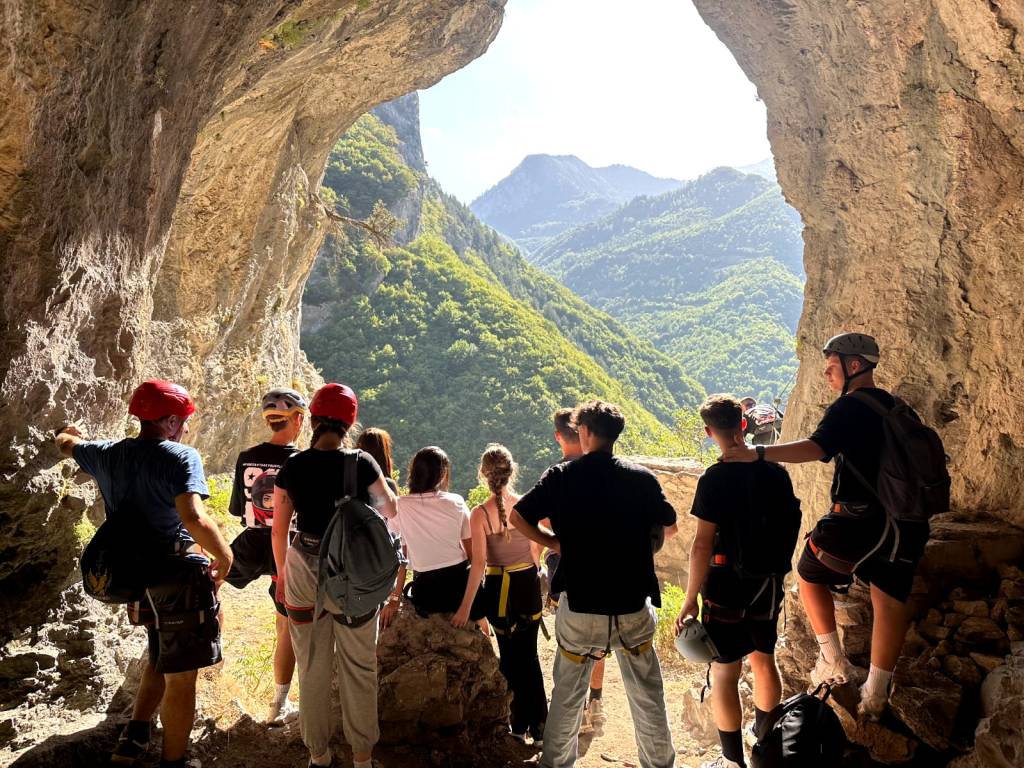
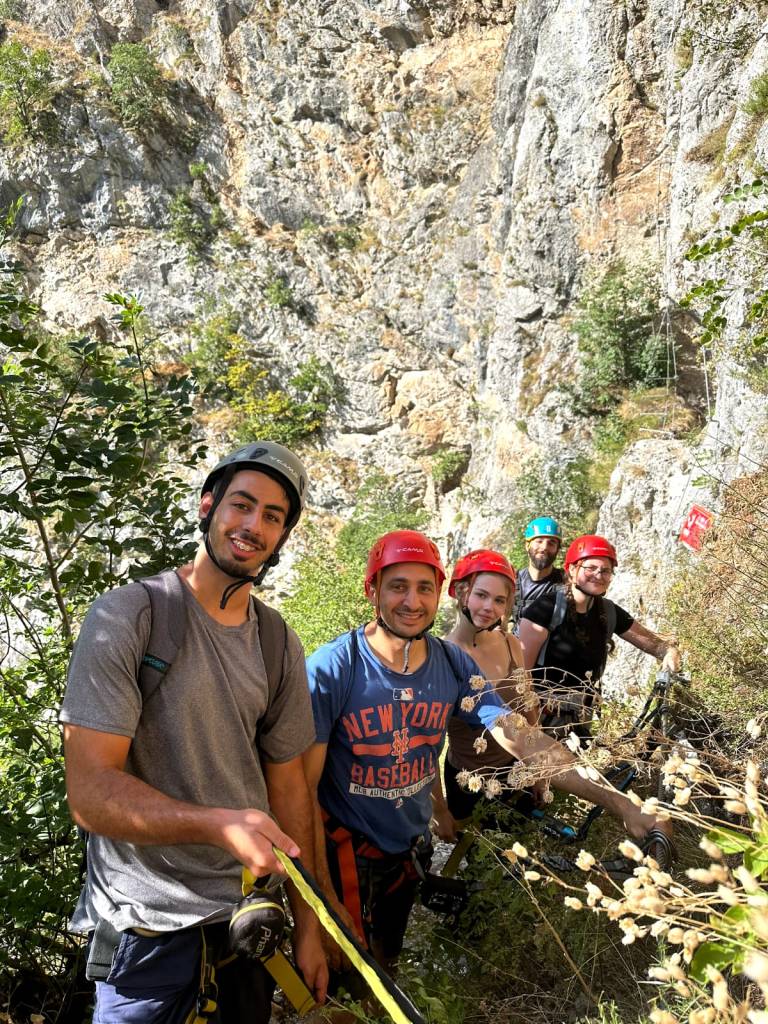
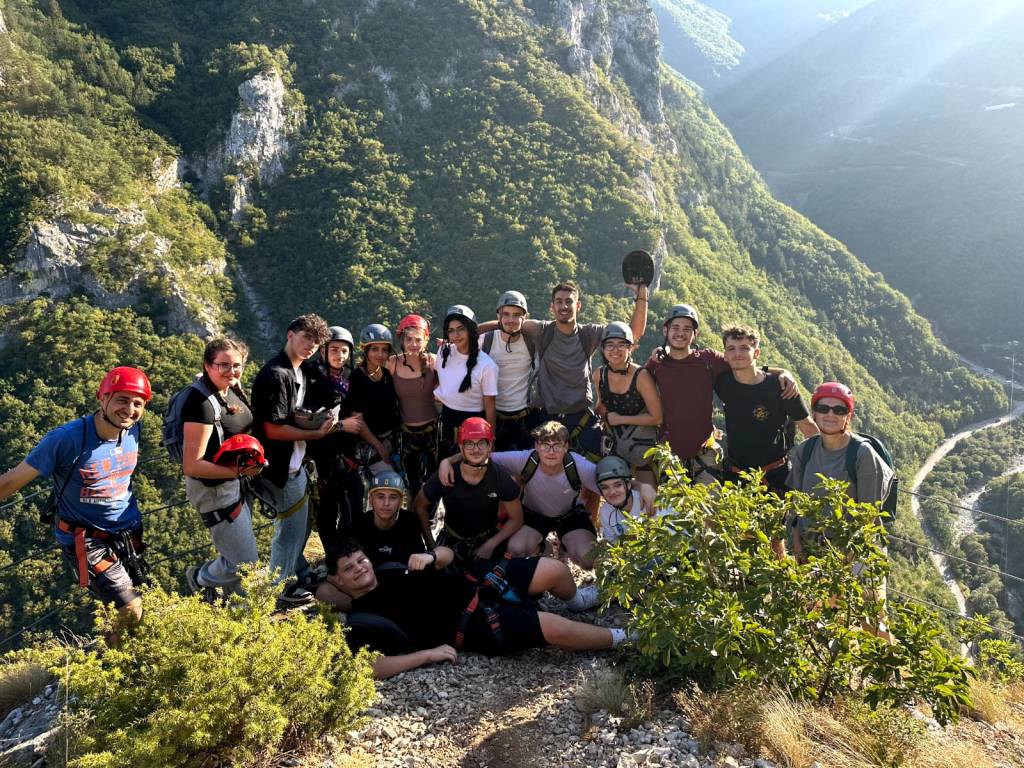
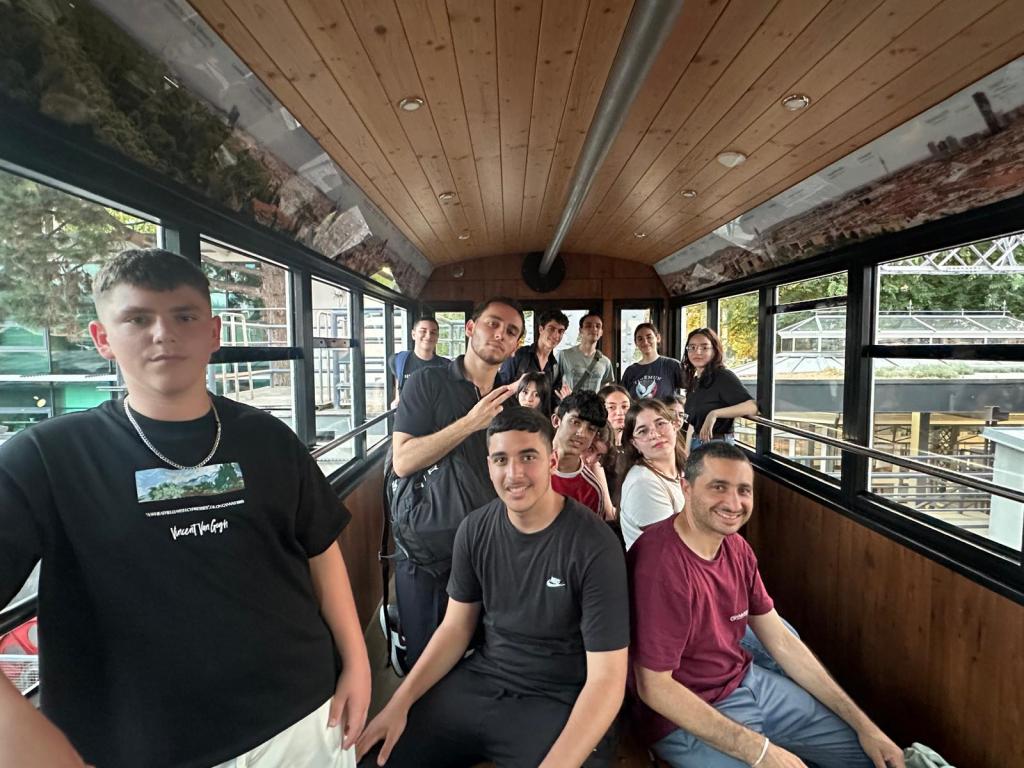
In addition to peacebuilding and conflict resolution programming, the students engaged in games and challenges (Splat and Water Olympics being some of the highlights), visited Prizren, and hiked Kosovo’s Via Ferrata.
Despite initial caution, and many challenges along the way, the students showed incredible courage and empathy, rising to the challenge. Honest dialogue emerged, friendships blossomed across every line of difference, and the young leaders left camp not only with new skills, but also with a strong sense of shared humanity.
This pilot program was more than just successful—it was groundbreaking, providing a space for both Israeli and Palestinian youth, and Albanian and Serbian youth, to engage freely and openly. It demonstrated the mutual benefit of linking youth from different conflict zones, creating a model for cross-border peace education that we hope to expand upon in the coming months.
As the final night came to a close, one truth was clear: when given the space, support, and respect, young people from divided communities can move from mistrust to mutual understanding—and even friendship. This is not just peacebuilding; it’s the foundation for a more hopeful future.
Debate for Peace is grateful to the TOKA staff for creating a safe space for all of the students, and for partnering to create the 2025 Peacebuilding camp.
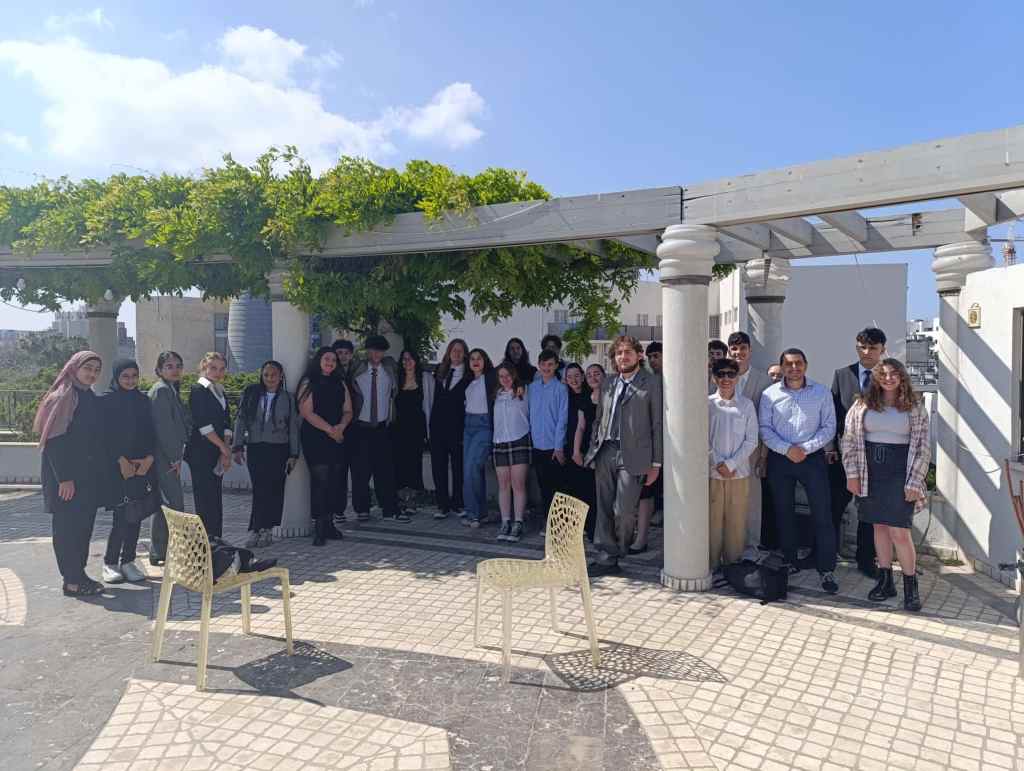
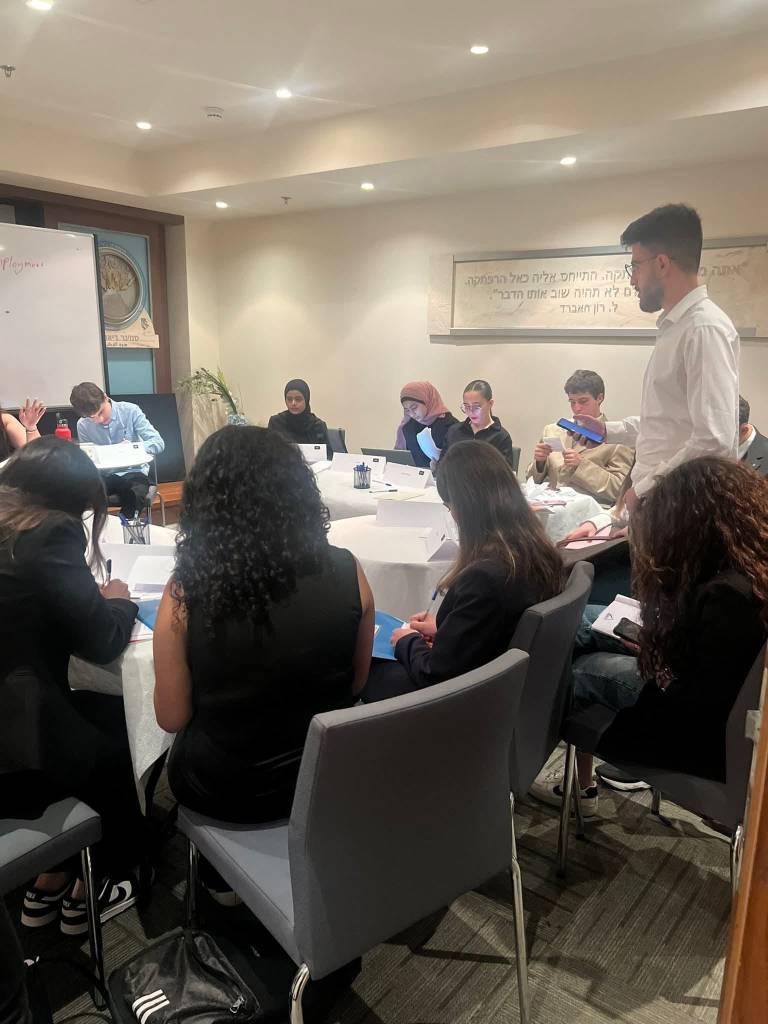
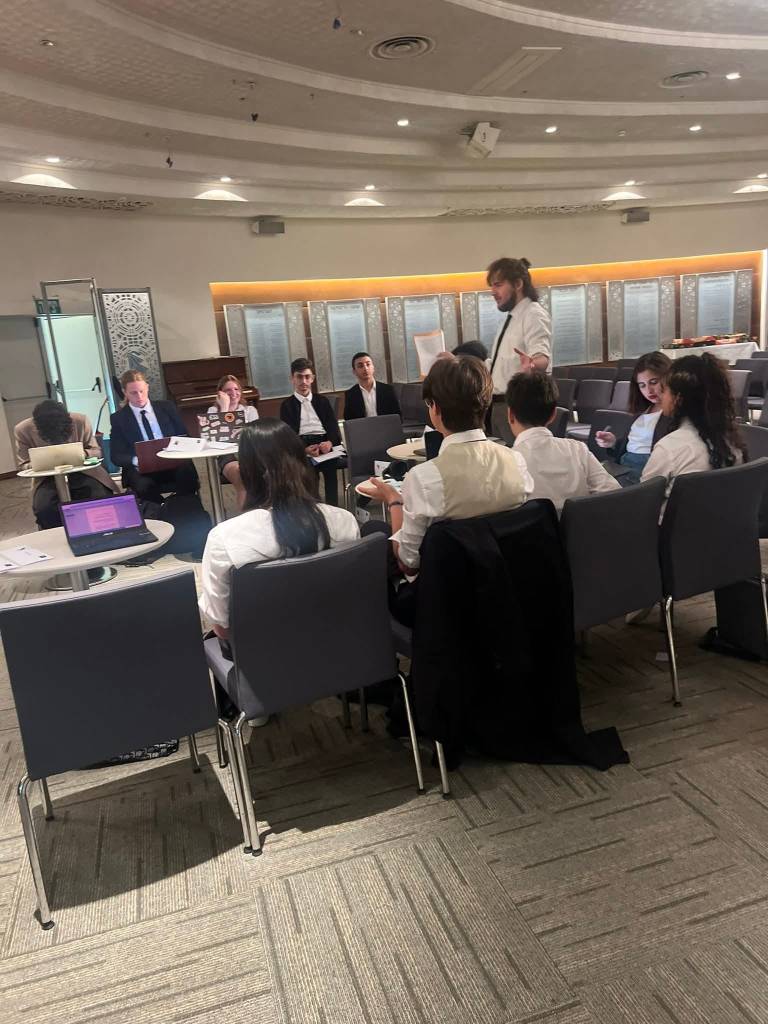
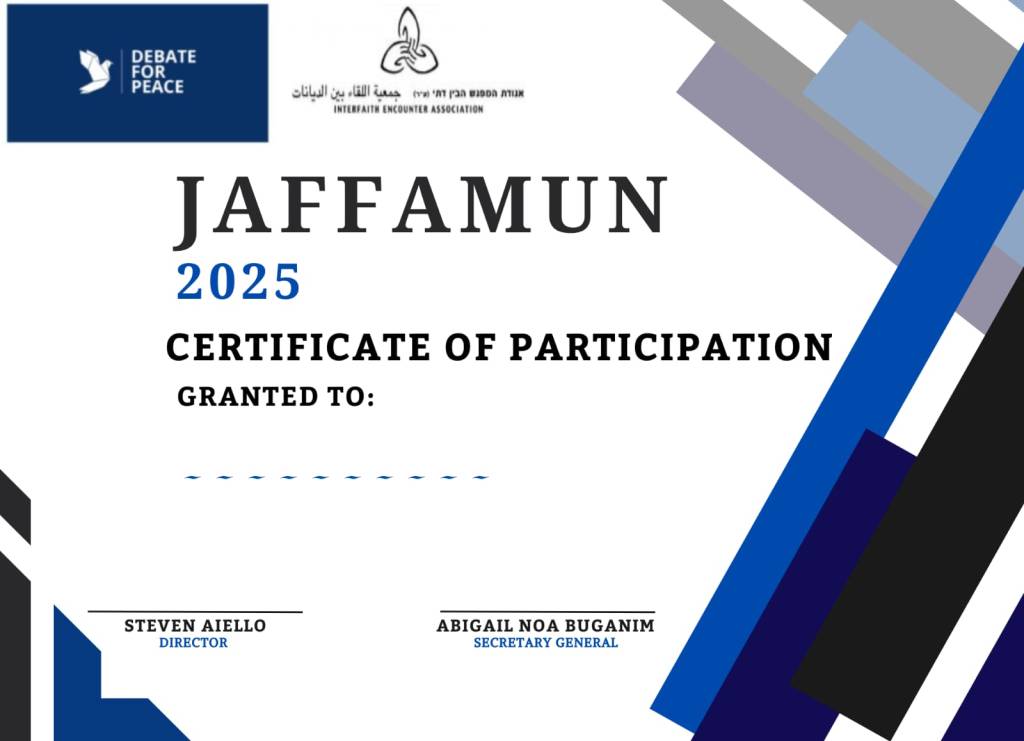
Debate for Peace hosted the first Model UN conference in Jaffa this week. JaffaMUN was held on Monday, April 28, with students from Atid Lod, Mar Elias high school, Gernata high school, Studio Ankori, and a range of other schools in Akko, Jerusalem, Haifa, Herzliya, Modi’in, Tel Aviv and additional cities and regions.
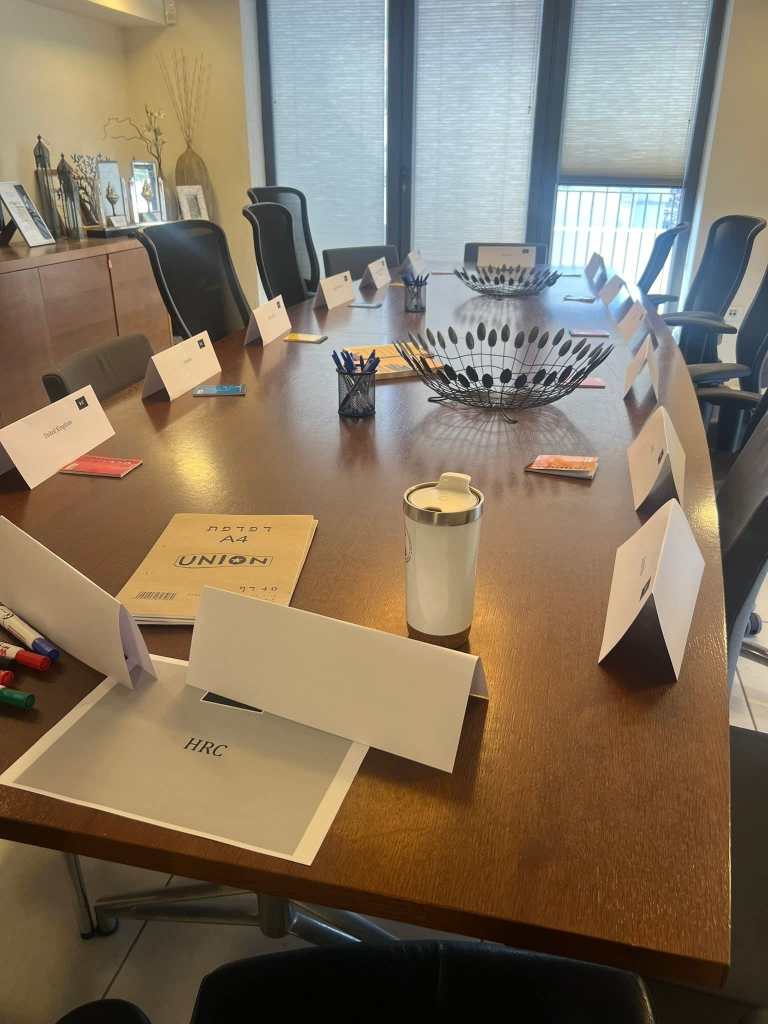
The theme of the conference was “Human Rights”, with a Human Rights committee dealing with freedom of speech, an ECOSOC committee tackling equality for marginalized communities globally, and a US Senate committee addressing school shootings in the United States.
After opening speeches and several hours of lively debates and intense negotiations, all three committees managed to pass resolutions on their respective topics. The Human Rights Council decided to create a global working group on social media safety, urged UN member states to adopt “comprehensive frameworks” to protect the privacy rights of social media users, as well as calling on social media company responsibility, advocating for greater digital literacy, and parental oversight and protection of children’s usage of social media. In ECOSOC, the committee called for developing safety nets for vulnerable populations through government support, advancing inclusive and equitable education, creating National Equality Councils, and Enforcement Organizations for Equality (EOE) to prevent discrimination. The US Senate agreed to improve school safety through updated safety protocols, state adoption of “Extreme Risk Protection Order Laws” (ERPO Laws)”, expanded mental health services, pilot programs to limit weapons access, and modernized responses to active shooter incidents.
During the closing ceremony, several students were recognized for their achievements by advancing collaborative solutions within their respective committees. These included: India (Maya Beres, Yachad High School), Morocco (Alin Gavrizavee, Atid Lod), and the United Kingdom (Malak Abu Hjool, Mar Elias school) in the HRC committee, Sweden (Yehonatan Navon, Ironi Yud Dalet), Philippines (Lamar Shker, Mar Elias) and China (Nada Namouz, Mar Elias) in ECOSOC, and Corey Booker (Vera Nosovitskaya, Younited), Chuck Schumer (Jordyn Cline, Yachad High School), and Elizabeth Warren (Yonatan Zelenko, Atid Raziel) in the US Senate.
Debate for Peace thanks Maya Ilany and Abigail Noa Buganim for writing the study guides for the conference, and the chairs and Secretariat team: Abigail Noa Buganim, Naomi Gildor, Shaked Shimony, Josh Kugelman, Carmel Hillmann, Yousef Abdlghny, Dafna Beres, Yael Yakobovich and Gai Regev.
Hundreds of Israeli Jews and Muslims, Palestinian Christians and Muslims, Samaritans and others came together from all walks of life and all corners of the Holy Land to break (pita) bread together in the largest interfaith Iftaar of the year, and perhaps ever for Israelis and Palestinians. The evening was all the more remarkable coming amidst the political and social tensions of the ongoing war, a testament to the desire of men and women from both sides of the divide to put aside politics and see each other as humans.
The evening was an initiative of the Children of Abraham organization, and led by long-time bridge-builder Mohamad Jamous, who used the adverse circumstances as motivation to bring even more people together. Numerous organizations and activists partnered to connect diverse communities, including support from the LOV Foundation which promotes peacebuilding and resilience through arts, crafts and storytelling.
Against the backdrop of ongoing tensions, this historic gathering was a powerful testament to the shared values of compassion, hospitality, and dialogue that transcend religious and national identities.
Speakers from various faith traditions took the stage to share messages of hope, unity, and solidarity, and a shared commitment to building a better future together. The evening opened with blessings from Muslim and Jewish leaders, followed by remarks from a representative of the Samaritan community, and Christian activists. The call of the Shofar pierced the sky in a high-pitched cry for humanity, followed by Sheikh Hassan Abu Eliyon reciting the Quran, and the call to prayer marking the end of the fast.
In a land where conflict often dominates headlines, events like the Children of Abraham remind us that peace is possible, and indeed the best path forward for the diverse individuals and communities living in this land. It’s also a call for others to find solidarity and build bridges. If even in the most difficult of circumstances, hundreds of Israelis and Palestinians traveled hours to share Iftaar together, then many others can learn from and be inspired by their example.
Organizer Mohamad Jamous shared his remarks:
On November 15, 1990, I was born. But today, I am born again , I am reborn with all of you,
in this blessed gathering, we come together at one table, beyond borders and walls, with open hearts and souls yearning for peace. But as we sit here together in feeling of love and unity, we cannot ignore the suffering around us. At this very moment, while we share this meal, children are dying in Gaza. Families are being torn apart, and dreams are buried beneath the rubble. At the same time, hostages remain underground, deprived of light, of warmth, and of the embrace of their loved ones. This painful reality cannot be ignored, nor should it be forgotten. Our presence here today is a testament to our belief that humanity is indivisible, that suffering knows no borders or religions. We gather not just to share a meal, but to reaffirm our commitment to justice, to stand with the oppressed, and to work for a day when no child lives in fear, no mother weeps, and no human is deprived of their freedom and dignity. We are here because we believe that what unites us is far greater than what divides us, and that this Holy Land—where prophets once prayed and generations dreamed—must be a land of hope and coexistence, not a battleground of division and destruction. Thank you to everyone who has come today to be part of this historic moment. Thank you to those who believe that dialogue is stronger than barriers, and that a person is defined by their heart, not by their passport or identity. Let us eat together, talk together, and dream together of a world that is more humane, more just, and more peaceful. Welcome, everyone, and Ramadan Kareem!
The 2025 Debate for Peace delegation to Yale MUN Europe brought thirteen students from ten cities around Israel, as well as Azerbaijan and Kosovo for three days of international level Model UN competition, as well as several meetings to learn more about peacebuilding, education and diplomacy. This year’s YMUNE conference, held in Geneva, Switzerland, one of the centers of global diplomacy, featured ten committees discussing topics ranging from autonomous weapons systems, to space colonization, with students from seventeen countries and four continents collaborating to cocreate innovative responses to pressing global issues.
The Debate for Peace group included students aged 14-18 from Hand in Hand (Jerusalem), Ort Hilmie Shafie (Akko), Studio Ankori (Jaffa), Atid Raziel (Herzliya), Ironi Gimel (Modi’in), Younited (Givat Haviva), Yachad Modi’in, Hadassim (Even Yehuda), Ibn Sina high school, “Thiya” Moscow, and QSI International School of Kosovo (Pristina), from three religious backgrounds, and speaking more than half a dozen languages. Special recognition goes to Jon Hoxha, Yousef Abd El Ghany, Maya Krittenstein, Ari Plosker and Madian Marana for winning awards during the conference, marking one of the most decorated Debate for Peace MUN delegations.
In addition to participating in the conference, the delegation held several meetings, including talking to Mehra Rimer from B8 of Hope, a Swiss non-profit supporting Israeli-Palestinian peace programs, and Ambassador Randolph Debattista, Permanent Representative, and Counsellor Bernard Mifsud, from the Mission of Malta to the UN and International Organizations in Geneva.
The delegation also had the opportunity to visit the UNESCO liaison office and International Bureau of Education (IBE) archives, and learn about the contributions of UNESCO and the IBE to peace through education worldwide.
Communications Officer Francesca Lualdi from the UNESCO Liaison Office said that shewas “inspired by the vision these young individuals have for a world where ‘discrimination’ and ‘conflict’ give way to ‘equality’ and ‘peace,’ and by their unwavering hope to live in a better, more unified world”, and her colleague Sitong Pei added “these enthusiastic and talented students.showed me that with the dedication of the younger generation, peace is still within reach as long as we continue striving for it.”
Henri Bourgoin, who gave the delegation a behind the scenes tour of the IBE archives, explained that “It’s always a beautiful and humbling experience for me to be around the rising generation and to see that the flame of love for knowledge and sharing is always present.”
Svein Oesttveit, Director of the UNESCO-International Bureau of Education, shared that “This visit profoundly inspired me, filling me with hope and ideas about how education can contribute to and even create peaceful conditions, building bridges between those who distrust each other while living in bubbles of isolation, ignorance, and prejudice. This initiative demonstrates that with clear guidance and well-defined pedagogical approaches, individuals can learn to see ‘the other’ in a more positive light. Through constructive communication based on empathy, curiosity, and a willingness to engage, it is indeed possible to transform the negative spiral of mistrust and sometimes hatred into a positive cycle of trust, friendship, and even love. It delivered a compelling message to the world we live in today: We can address some of the most entrenched conflicts peacefully, bringing sustainable hope to future generations.”.
Debate for Peace expresses its gratitude to the YMUNE team for all the hard work in running another incredible multicultural learning experience, to the diplomats and peacebuilders who met with the delegation, and to the members of this year’s delegation for the high-level performance throughout the trip.