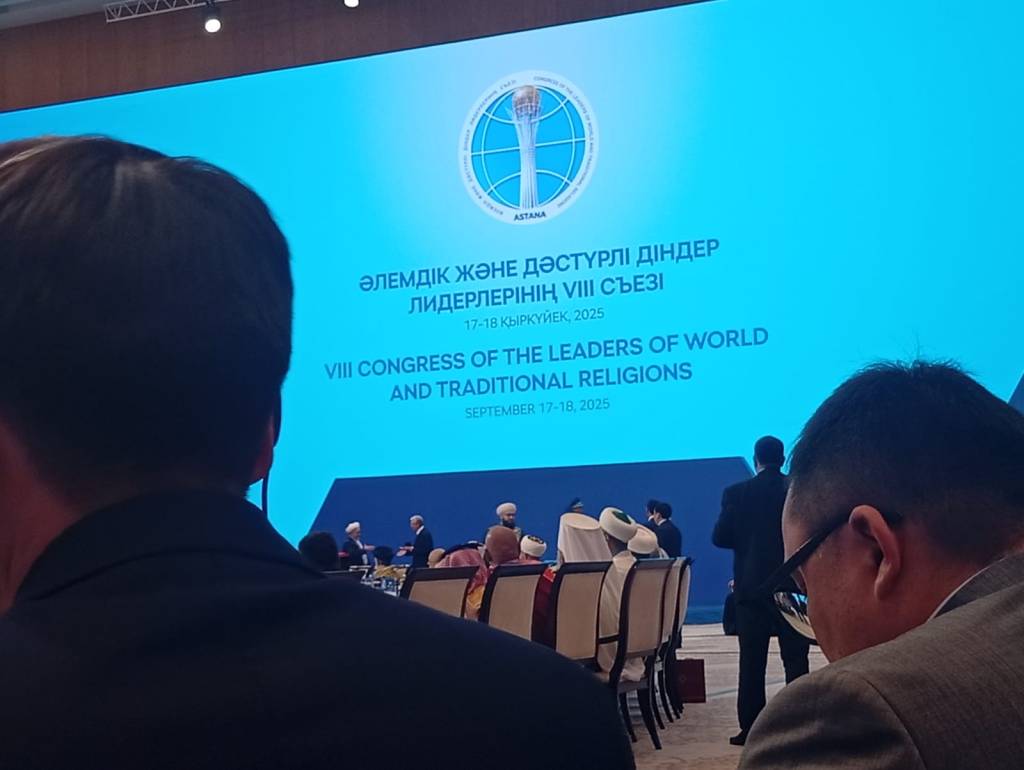
Debate for Peace director Steven Aiello participated in the Second Annual Forum of Young Religious Leaders, as part of the Congress of Leaders of World and Traditional Religions, held in Astana, Kazakhstan. This year’s Congress, the 8th triennial gathering, featured the theme “Synergy for the Future”, and was hosted at Independence Palace in Astana. The plenary session of the Congress was chaired by Mr. Maulen Ashimbayev, Chairman of the Senate of the Parliament of Kazakhstan, and Chairman of the Congress of Leaders of World and Traditional Religions. The conference was opened by President Tokayev, the President of Kazakhstan, who welcomed all of the participants, and noted the importance of striving for dialogue, and of religious leaders leading a global movement of peace for humanity.
Following the President, Mr. Ashimbayev provided a summary of the Congress’s activities, and called up speakers, including Patriarch Kirill of Moscow, head of the Russian Orthodox Church; Cardinal George Jacob Koovakad, prefect of the Dicastery for Interreligious Dialogue at the Vatican; the Ashkenazic and Sephardic chief rabbis of Israel; the Greek Orthodox Patriarch of Jerusalem, Theophilos III; Secretary General of the Muslim Council of Elders; Anglican Bishop Jo Bailey Wells; President of the World Fellowship of Buddhists; Minister for Religious Affairs and Interfaith Harmony of Pakistan, Mr. Sardar Muhammad Yousuf; Chancellor of Somaiya Vidyavihar University, Mr. Samir Somaiya; Al Azhar University representatives; Chairman of the Muftis of Russia, UN Undersecretary General and High Representative of UN Alliance of Civilizations Miguel Angel Moratinos, and OSCE High Commissioner on National Minorities, Mr. Christopher Kamp, along with additional leaders.


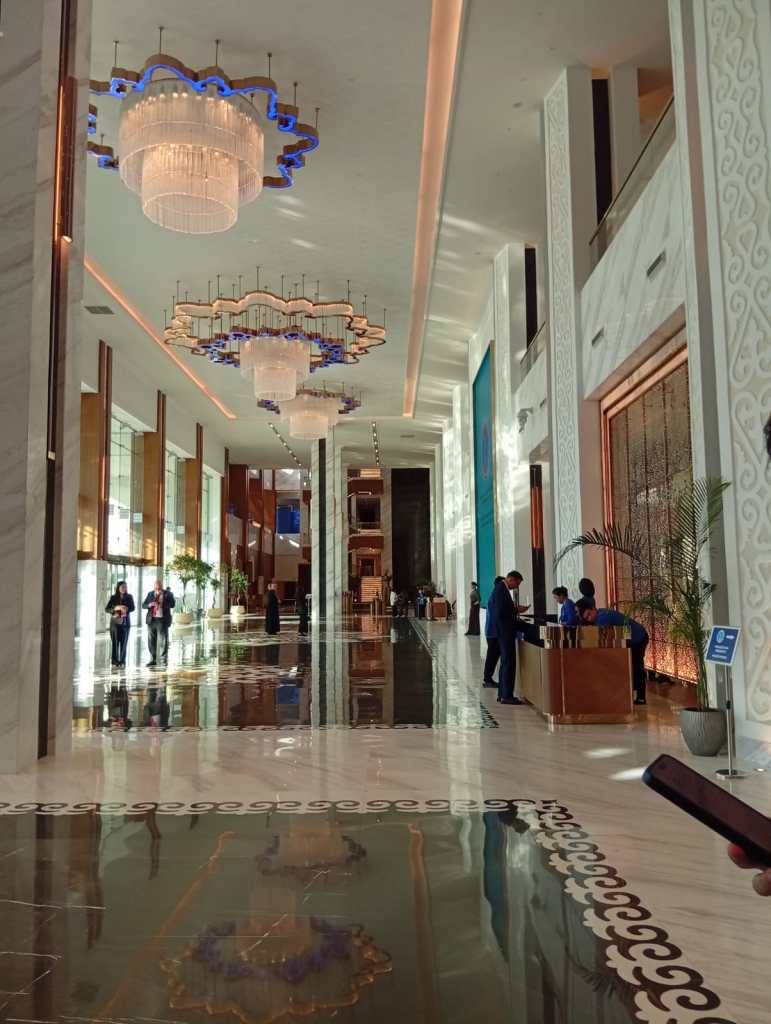

The plenary remarks, delivered in more than half a dozen languages, with simultaneous translation, focused on the common values that the world religions share, and how to engage in “spiritual diplomacy” rooted in core values like peace, justice, and coexistence. It was expressed that the Congress of World and Traditional Religions serves as a “moral compass” for the world; the need to engage in constructive dialogue with one another to find a common path to realize a better future for all; and acknowledgement that dialogue begins with listening, which often takes courage.
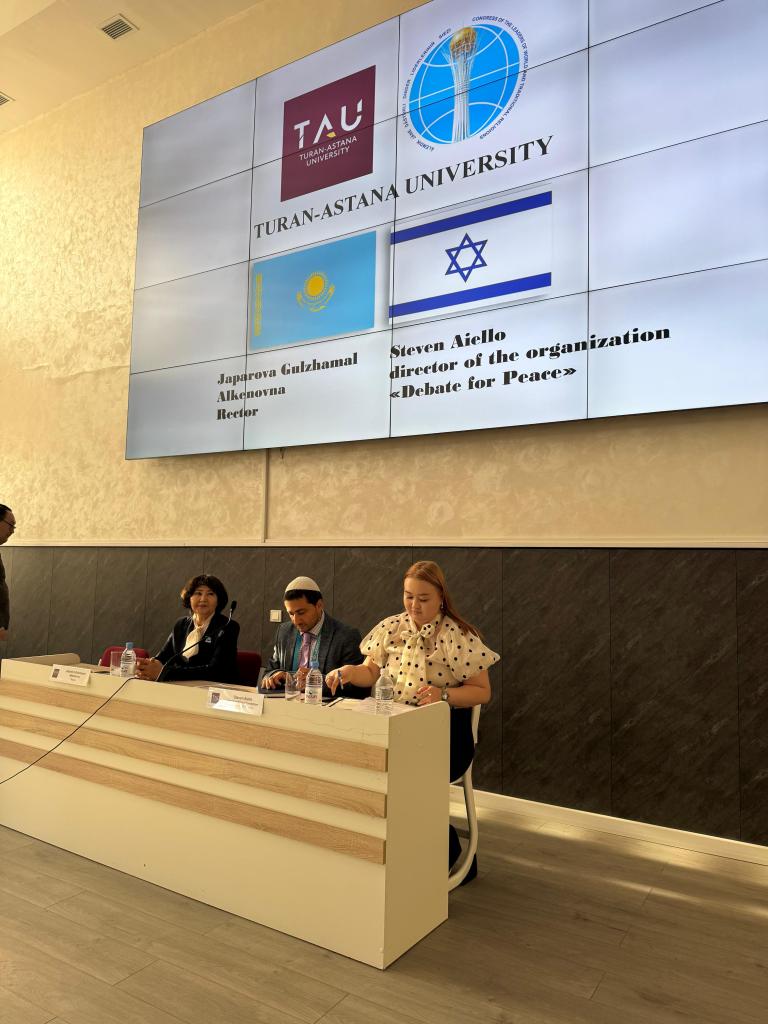
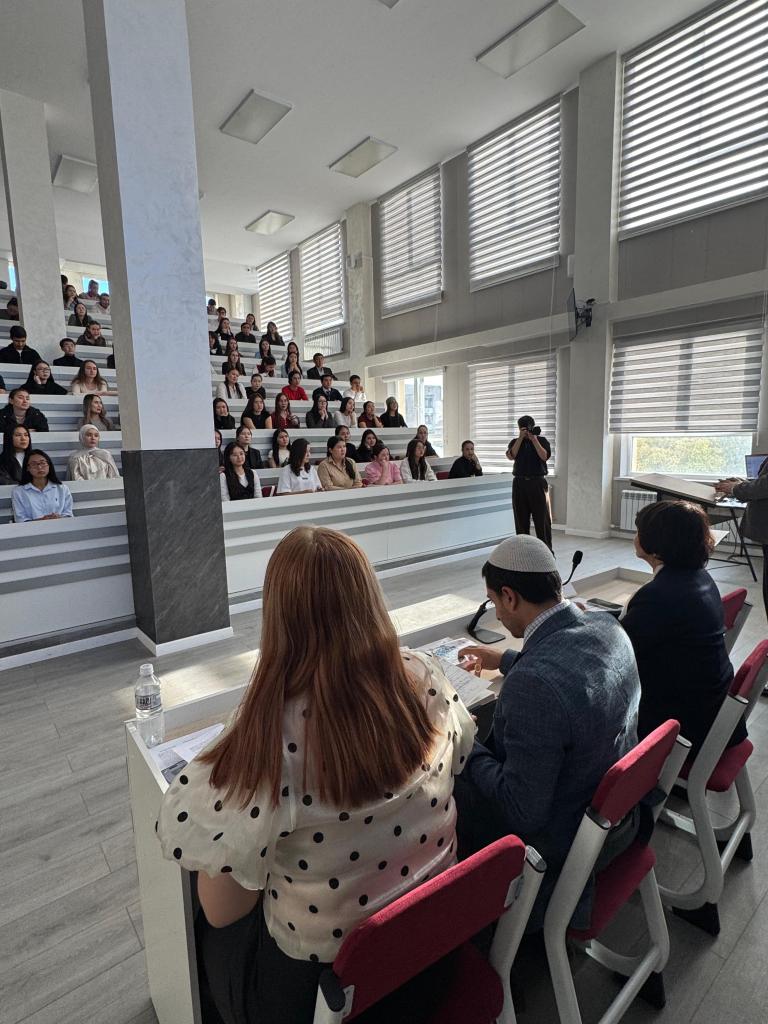
Following the first day of the Congress, Debate for Peace director Steven Aiello met with administrators and over 100 students from Turan-Astana University, where they discussed the work of Debate for Peace to promote peace and reconciliation among youth via educational initiatives, as well as possible areas for cooperation in the future.
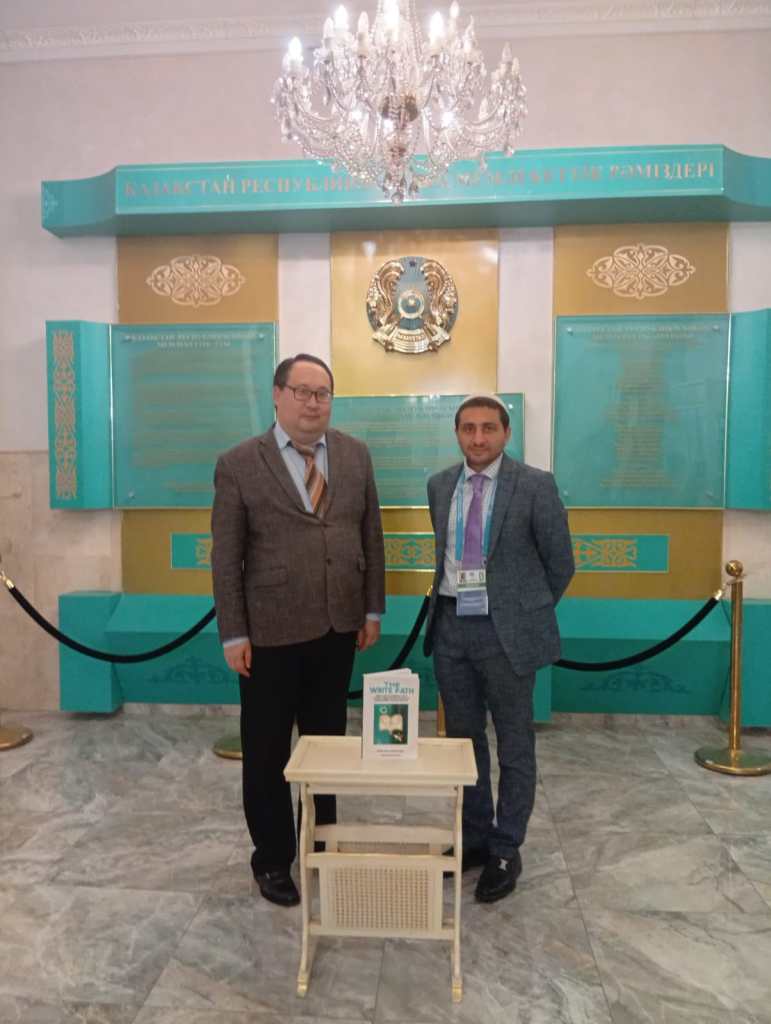

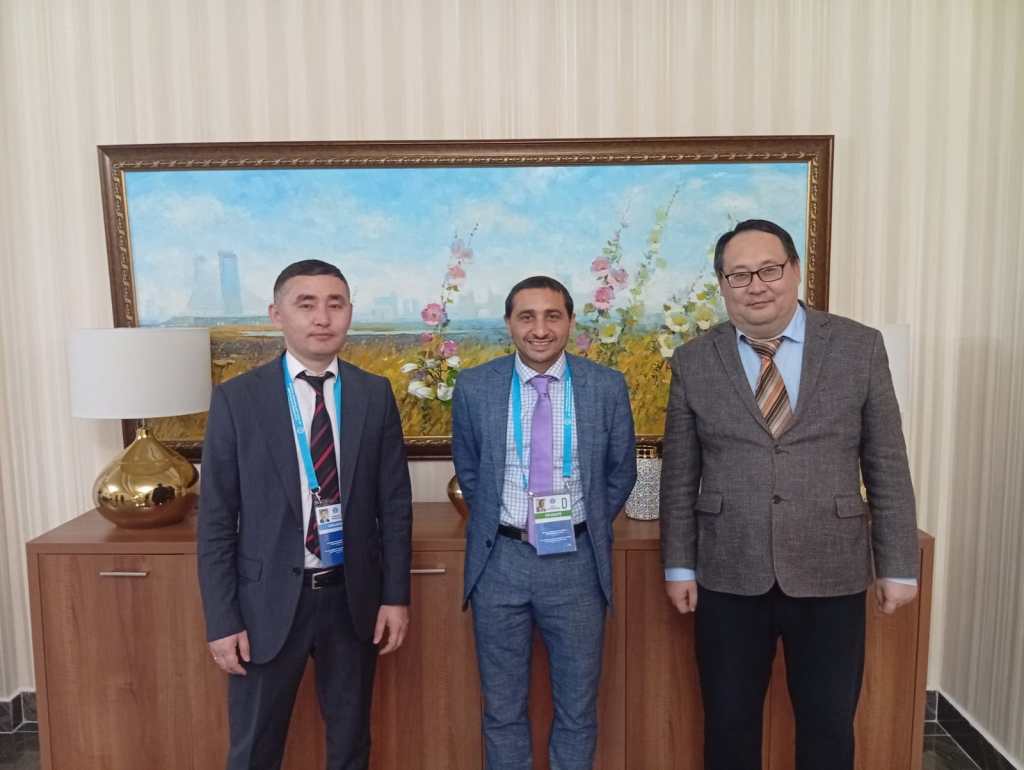
The Forum of Young Religious Leaders was held on the second day of the Congress, including opening remarks from Chairman Ashimbayev, emphasizing the important role of Youth in promoting religious dialogue and leadership. The opening panel, chaired by Bishop Jo Bailey Wells, included Ms. Zainab Ali Mahmood, head of the PR Services of the Grand Imam of Al Azhar; Dr. Abhishek Ghosh, Dean of Faculty at Somaiya University; Associate Prof. Ivan Ivanov, Chairman of the Board of the International Center Alliance of Civilizations, Ms. Zarina Kudabayeva from International Center for Interfaith and Interreligious Dialogue in Kazakhstan, and the Undersecretary General for Legal Affairs of the Muslim World League. The forum’s opening panel discussed going from texts to practice, in incorporating religious values into daily action, to engage with and address challenges of the present and future.


In the “Forum Talks” session, Renz Argao (Coordinator of Religions for Peace International Youth Committee and head of the Asia-Pacific Interfaith Youth Network); polyglot social media activist Madi Fazyl, Sri Lankan Anglican Church activist Ninadi Heshara, Imam Nurlan, chief imam of the Yryskeldy Haji mosque in Astana, and Debate for Peace director Steven Aiello each presented talks on “Synergy for the Future”. These speeches, in Ted Talk style, challenged the audience members to seize a “seat at the table,” use common values to build bridges with diverse communities, and take action to create a better future for all.
The forum then concluded with a recitation of the communique “Youth for Peaceful Coexistence” by Emmanuel Ganse, President of the Tonafa Institute in Benin, before the members rejoined the Congress for its concluding session, once again joined by President Tokayev.
That evening, participants of the Congress and the Forum enjoyed a lavish reception at the Astana Hilton, which included a rich program of music and dance, showcasing the diversity of Kazakhstan’s cultural heritage.
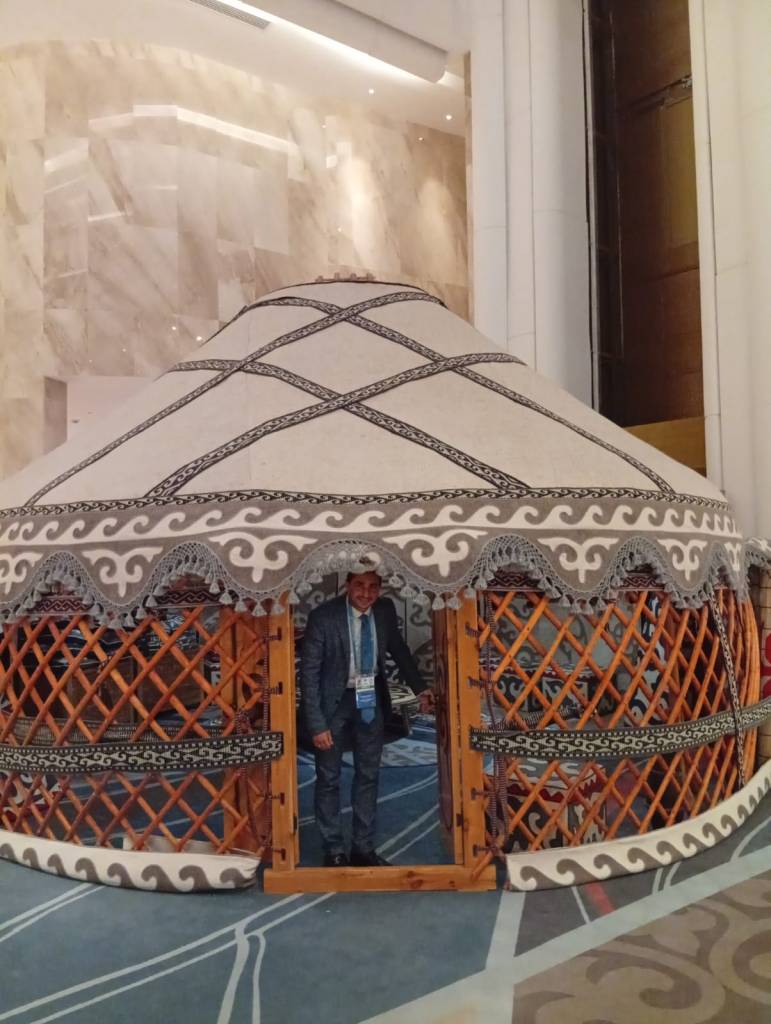


Debate for Peace extends its appreciation to the Government of Kazakhstan, for its firm and unwavering support of peace and interreligious harmony, as showcased in the Congress of Leaders of World and Traditional Religions and to the Embassy of Kazakhstan for the opportunity to participate in the Congress and the Forum of Young Religious Leaders.
Photo Credit: Tokbergen Zhansayat
 Debate for Peace